
How do different metals behave when worked?
What are the differences between silver, gold, brass, copper and platinum?
One of your proudest moments in jewellery-making will come when you master the difference between different types of metal, and how that affects your work with them. On the surface, cutting, soldering and polishing may follow the same principles, but in practice, each metal behaves very differently under the torch, file and hammer.
Understanding those differences is what allows you to work more efficiently, avoid costly mistakes, and choose the right material for each design.
This guide breaks down how the most common metals behave when used to make jewellery.
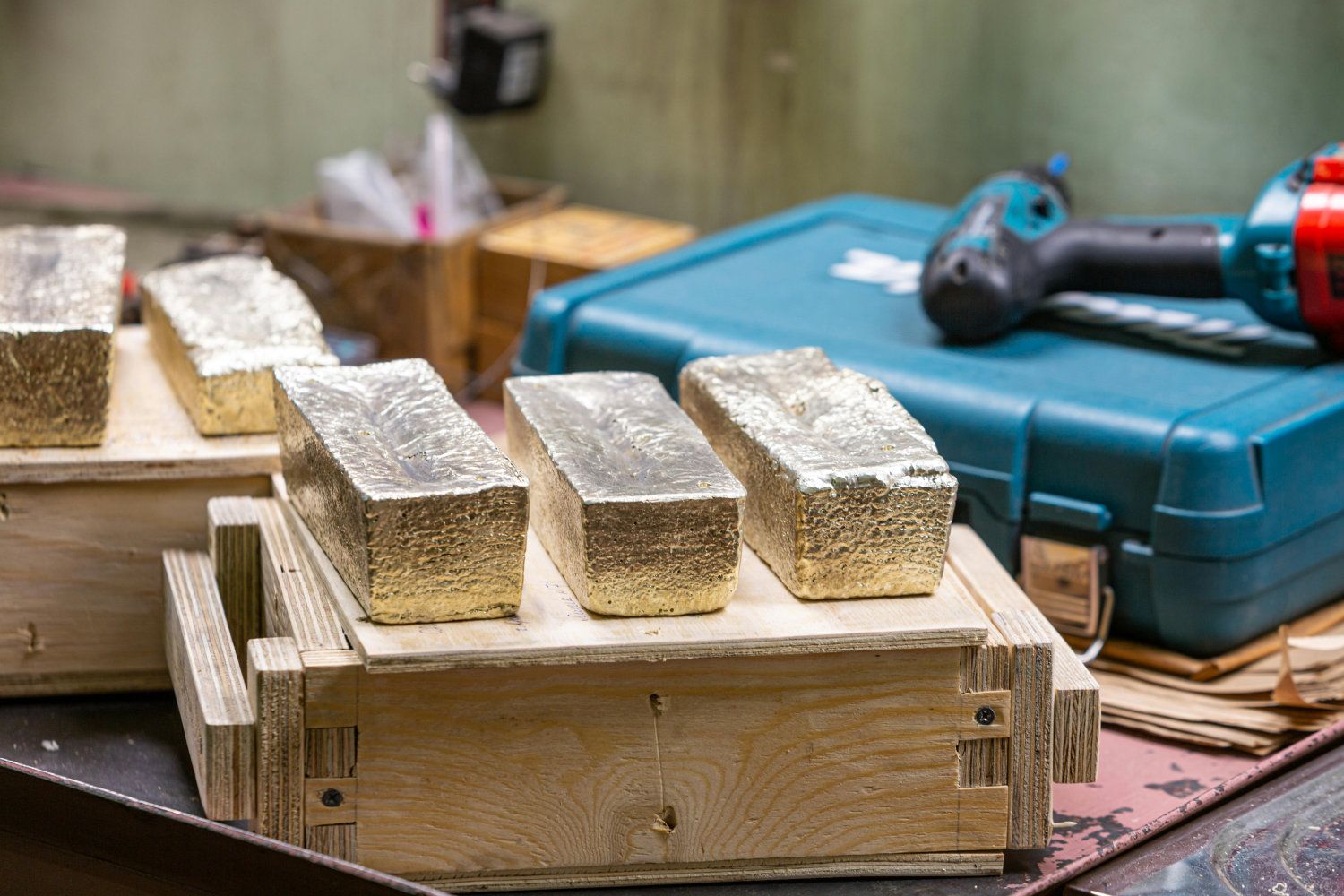
Silver (Sterling Silver)
Sterling silver (92.5% silver, 7.5% copper) is often the starting point for jewellers - and for good reason.
How it behaves:
- Soft and forgiving - easy to cut, file and shape
- Work-hardens quickly, especially when hammered or bent Anneals easily - returns to a soft state with minimal effort
- Highly conductive - heat spreads quickly when soldering
What this means in practice:
- You’ll need to anneal regularly during forming to prevent cracking
- When soldering, heat the whole piece, not just the join - silver disperses heat rapidly
- It’s very responsive to texturing and forming techniques
The most common pitfalls when working with sterling silver are overheating, which can lead to pitting or firescale, and losing control of the heat during soldering, which can be easy to do due to how conductive silver is.
Sterling silver is best for:
- Learning and practising core techniques
- Rings, bangles, and textured pieces
- Designs requiring flexibility during making
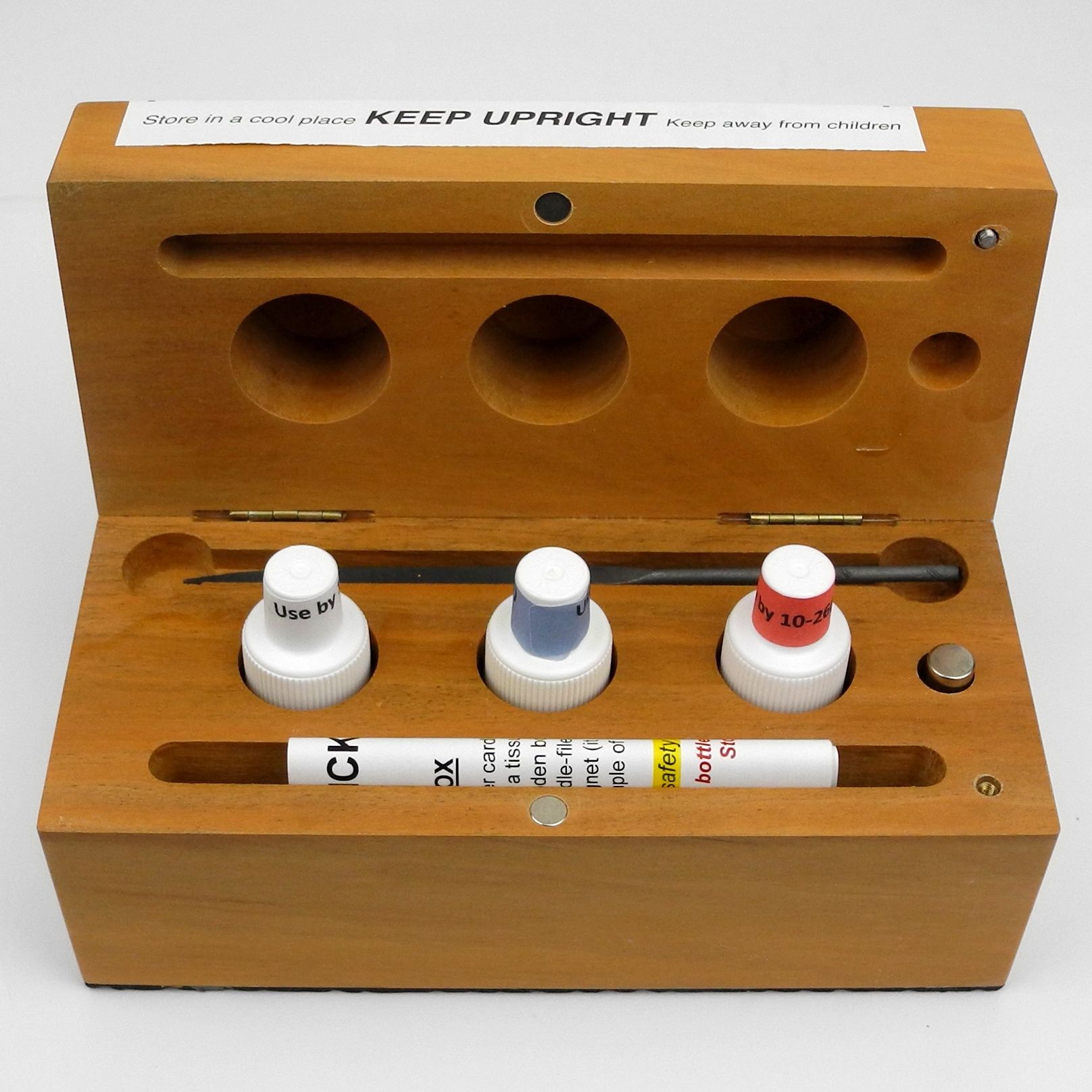
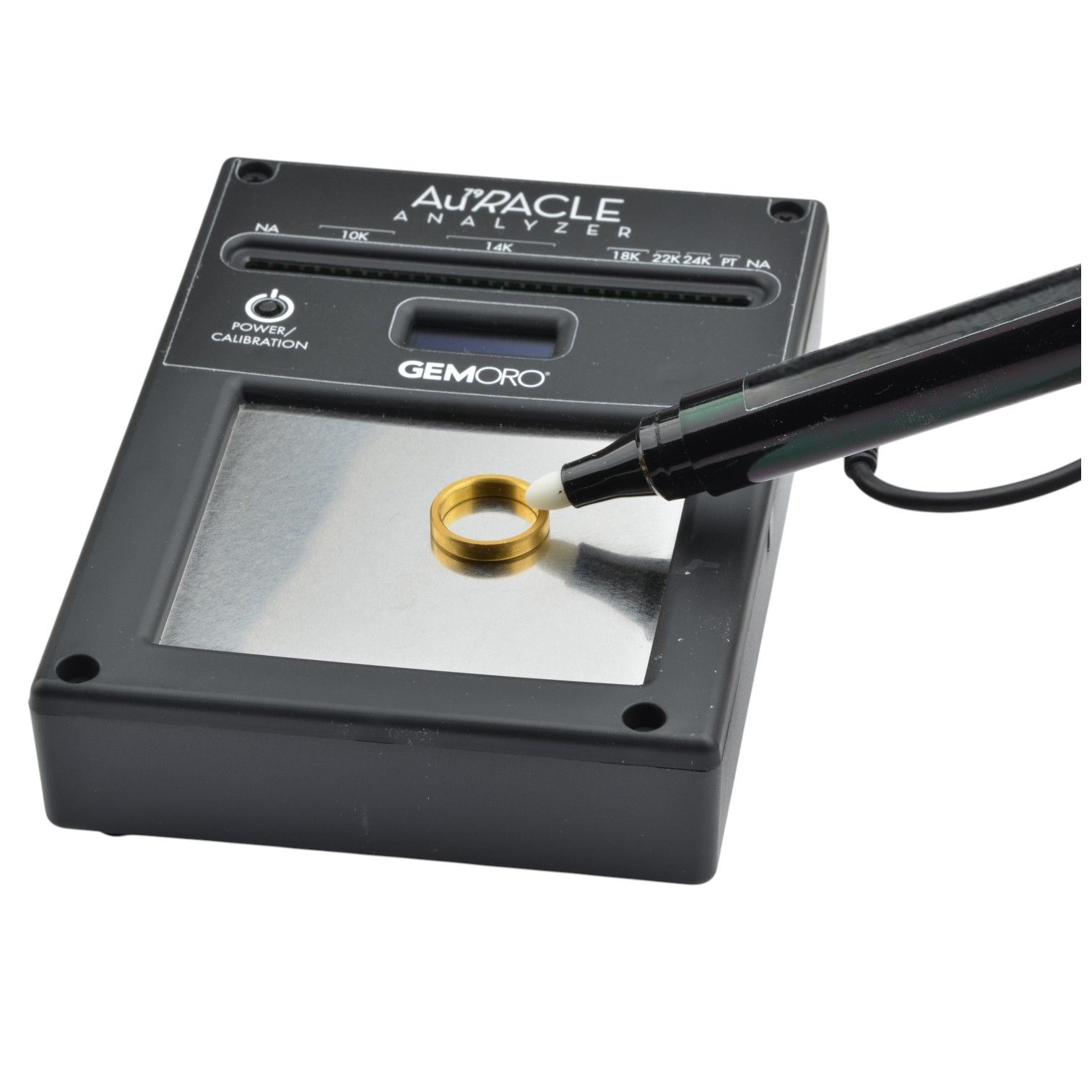
Gold (yellow, white and rose)
Gold alloys vary widely depending on carat and composition, but they share some core characteristics.
How gold behaves during metalworking:
- More malleable than silver (especially higher carats)
- Does not oxidise like base metals
- Work-hardens more slowly than silver
- Lower thermal conductivity than silver, making it easier to control when soldering
What this means in practice:
- Gold is generally more predictable under the torch
- Requires less frequent annealing
- Joins are often cleaner and easier to control
How the types of gold differ during metalworking:
- Yellow gold is very workable, offering consistent behaviour
- Rose gold is slightly stiffer due to copper content
- White gold will be the hardest and can be more brittle depending on alloy
When working with gold, always be careful not to overwork the metal, which can lead to hardening and cracking. Be especially cautious when working with white gold, which may look like silver but can behave very unexpectedly if it’s not a metal you’re used to working with.
Gold is best for:
- Fine jewellery
- Precision work
- Stone settings where control matters
Copper
Copper is often used for practice, but it’s a valuable material in its own right that can be used to produce eye-catching work.
How it behaves:
- Very soft and highly malleable
- Work-hardens quickly
- Oxidises heavily when heated
- Conducts heat well (similar to silver, though slightly less)
What this means in practice:
- You’ll need to anneal frequently
- Expect significant surface oxidation (scale) when soldering
- It’s excellent for forming, doming and texturing
Common pitfalls:
- Heavy oxidation that requires aggressive cleaning
- Soldering can be messy without good flux control
The biggest issue with copper is that it has a tendency towards heavy oxidisation. This means cleaning needs to be heavy and intensive, which can sometimes make it feel like really hard work. If your flux control is also lacking, you may also find it hard to keep your soldering neat. The good news is that you’re more likely to be practicing if you’re working with copper, which means the final piece probably isn’t intended for sale.
Best for:
- Practice and skill development
- Textured or patinated pieces
- Learning heat control
Brass
An alloy of copper and zinc, brass behaves quite differently from copper despite looking similar.
How it behaves:
- Harder and stiffer than copper
- Less malleable
- Can become brittle if overheated
- Produces fumes when heated (due to zinc content)
What this means in practice:
- Requires more effort to shape and form
- Needs careful temperature control when soldering
- Must be used with good ventilation – see our guide to workshop equipment to find ventilation solutions
Common pitfalls:
- Overheating leading to cracking or “burning” the metal
- Health risks if ventilation is poor
When it comes to creating with brass, the main thing to watch out for is overheating. This can lead to burnt or cracked metal, and either of those states could leave you needing to make a fresh start.
The headline, though, is the need for good ventilation to avoid the fumes created by heating the zinc element of brass. These are not to be underestimated, and if you don’t have a workshop that’s set up to deal with ventilating them safely (see our guide to workshop setup), we wouldn’t advise working with brass.
Brass is best for:
- Structural components
- Designs requiring rigidity
- Lower-cost alternatives to gold tones
Platinum
Platinum sits at the opposite end of the spectrum from silver - dense, strong and highly specialised. It’s not recommended for beginners, and if you do happen to come into possession of enough platinum to consider using it for jewellery, we would suggest lots of practice on at least copper before attempting to work with it. As you’ll see from the list below, it throws out the rulebook for a lot of metalwork practices, meaning even professionals can be surprised when working with it.
How it behaves:
- Very dense and tough
- Does not oxidise under normal conditions
- Extremely high melting point
- Does not flow like gold or silver when soldered
What this means in practice:
- Requires higher temperatures and specialised equipment
- Often worked using fusion rather than traditional soldering
- Metal is displaced rather than removed when filed or polished
Common pitfalls:
- Underestimating how much heat is required
- Using incorrect tools or techniques (silver/gold habits don’t translate directly)
Platinum is best for:
- High-end jewellery
- Stone settings requiring durability
- Pieces designed for long-term wear
Key Differences at a Glance
| Metal | Malleability | Work Hardening | Soldering Difficulty | Oxidation | Heat Behaviour |
| Silver | High | Fast | Moderate | Medium | Very conductive |
| Gold | High | Moderate | Easier | Low | Controlled |
| Copper | Very high | Fast | Moderate | High | Conductive |
| Brass | Medium | Moderate | Tricky | Medium | Sensitive |
| Platinum | Low | Slow | Advanced | None | Needs very high temp |
Choosing the right metal for the job
As you move beyond the basics, material choice becomes part of the design process and you’ll develop an instinct as to which metal you need for a job. As a general rule:
- Use silver or copper when you need flexibility during making
- Choose gold for precision, reliability and finish
- Use brass where strength and cost are considerations
- Reserve platinum for advanced work where durability is critical
Final Thoughts
Mastering jewellery-making isn’t just about techniques, it’s about understanding how the different materials you’ll be using respond to those techniques.
Once you recognise how each metal behaves:
- your soldering becomes more controlled
- your forming becomes more predictable
- designs become easier to translate from your vision to reality
That’s when you’ll know you’ve reached a new level of expertise in your jewellery making.