
How to Get Started in Watchmaking
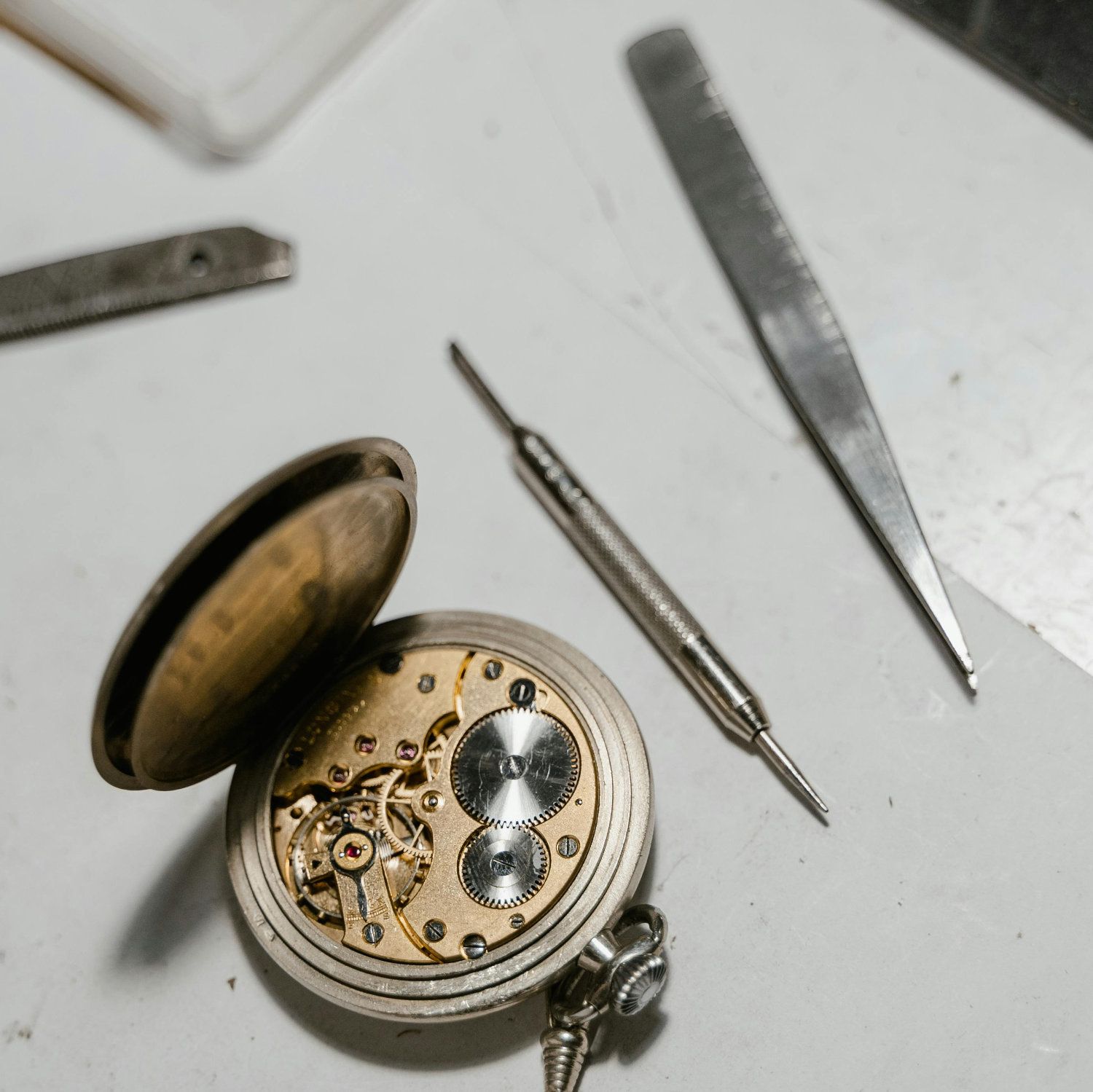
Watchmaking is one of the most exacting branches of craft and repair. It combines mechanical understanding, delicate hand skills and the ability to work with components that are often only millimetres, or fractions of a millimetre , in size.
For beginners, the best way to get started is by building confidence through external watch work, simple repairs and careful tool handling before progressing towards things like movement servicing and regulation.
Whether you are exploring watch repair as a hobby or beginning a more serious horological journey, get started with the right mindset and you’ll keep the right habits throughout the work you do.
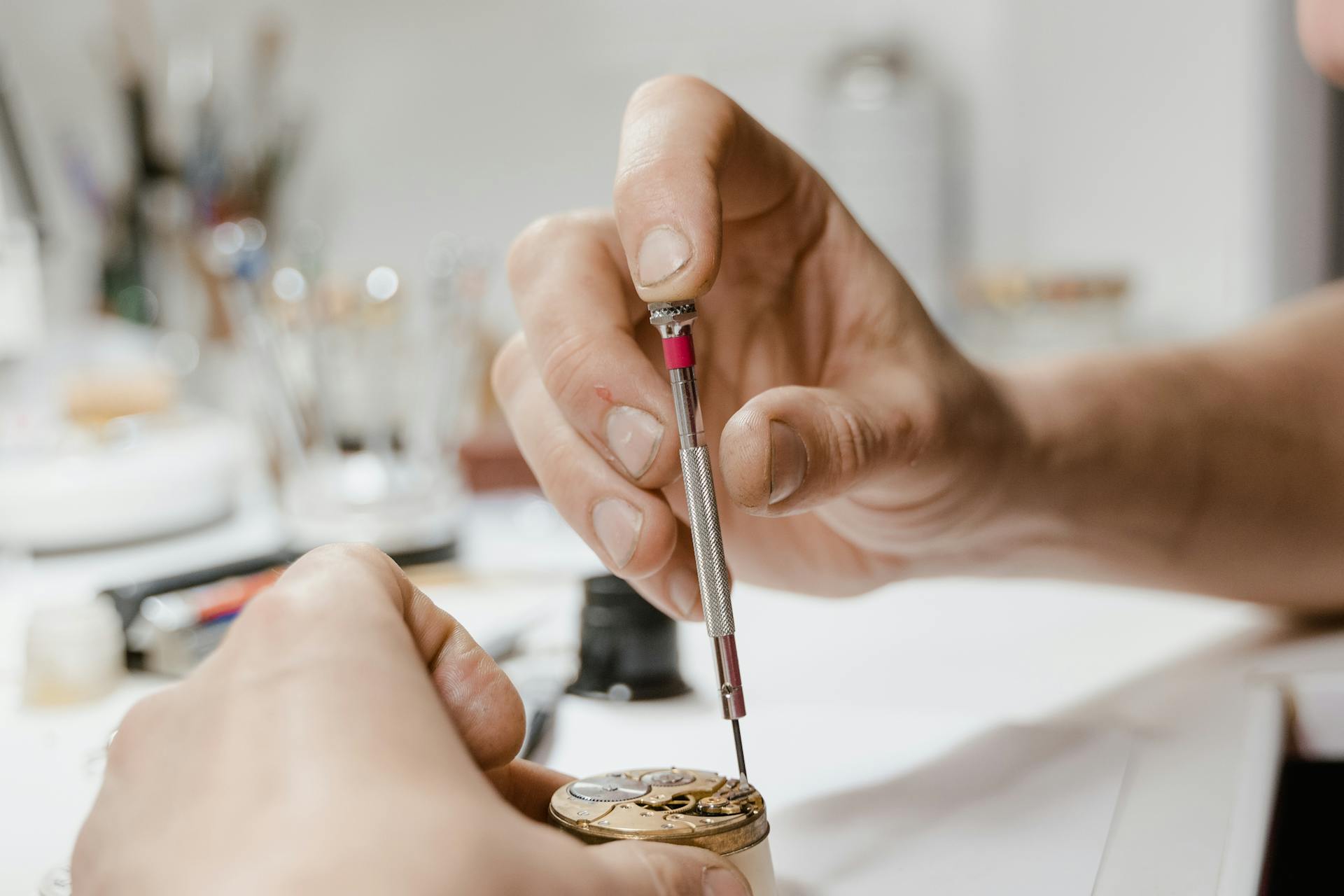
Watch Repair or Watchmaking?
You'll hear the two terms used interchangeably, but to the professional they mean very different things.
Watch repair usually begins with practical maintenance tasks such as changing batteries, replacing straps, resizing bracelets or opening case backs. These jobs are a good entry point because they introduce you to the handling skills and tools you’ll need to develop, without the pressure you’ll feel when you first start working with movements.
Watchmaking, in the fuller sense, involves a deeper understanding of how a watch works. This includes movement disassembly and assembly, cleaning, lubrication, adjustment and regulation. It requires more specialised tools, a cleaner working environment and a much stronger grasp of horological principles in order to produce high-quality results.
Beginners should start with watch repair skills, then progress gradually towards movement work once they’ve mastered the basics.
Understand the Types of Watches You May Work On
Before choosing tools or attempting repairs, it helps to understand the broad differences between watch types.
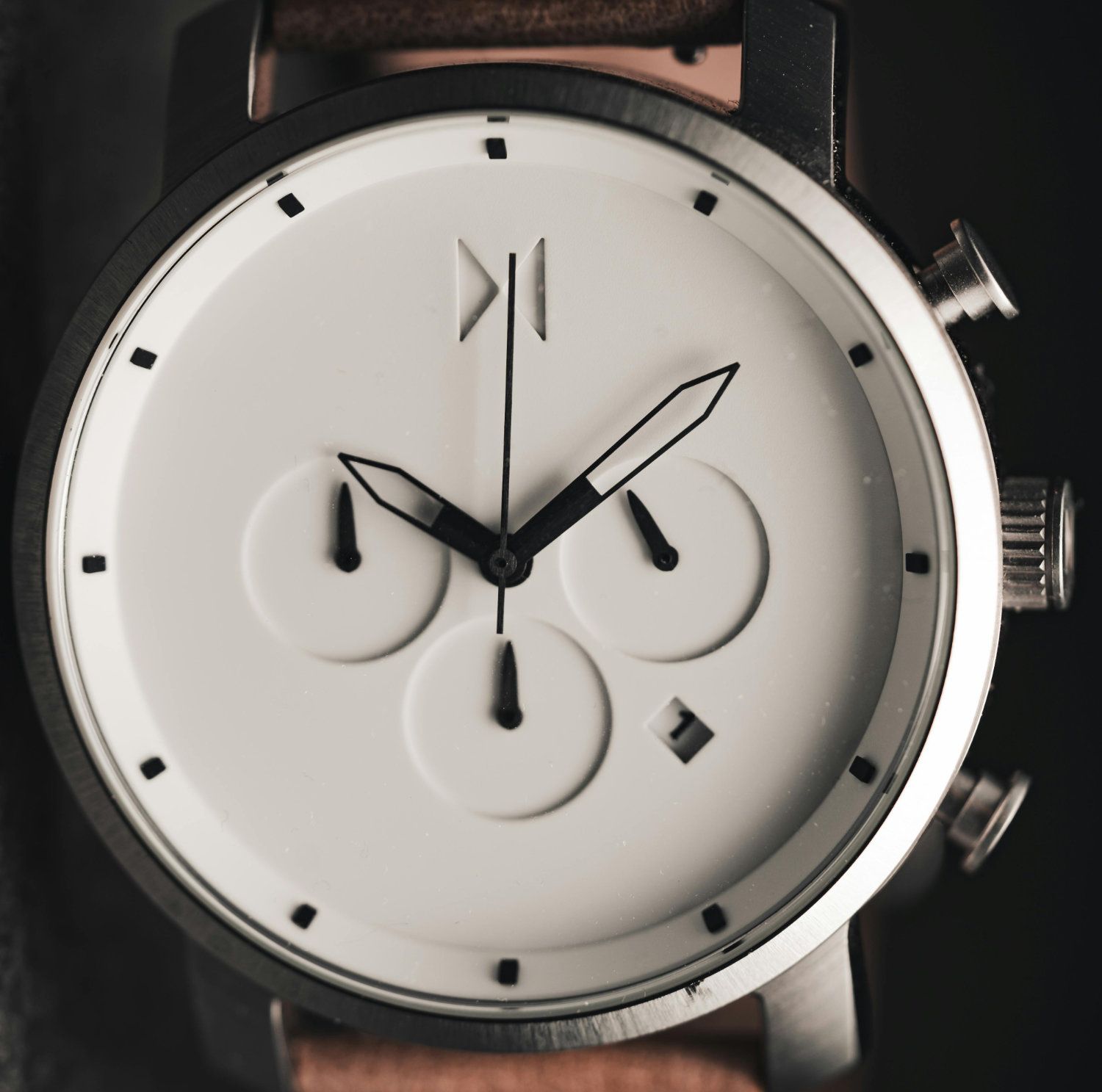
Quartz Watches
Quartz watches are battery powered and are often the most approachable starting point for beginners. Common tasks include battery replacement, case back removal, gasket inspection and bracelet adjustment.
Although quartz watches are generally simpler than mechanical watches, they still require care. A scratched case back, damaged coil or incorrectly seated gasket can quickly turn a simple job into an expensive problem.
Mechanical Watches
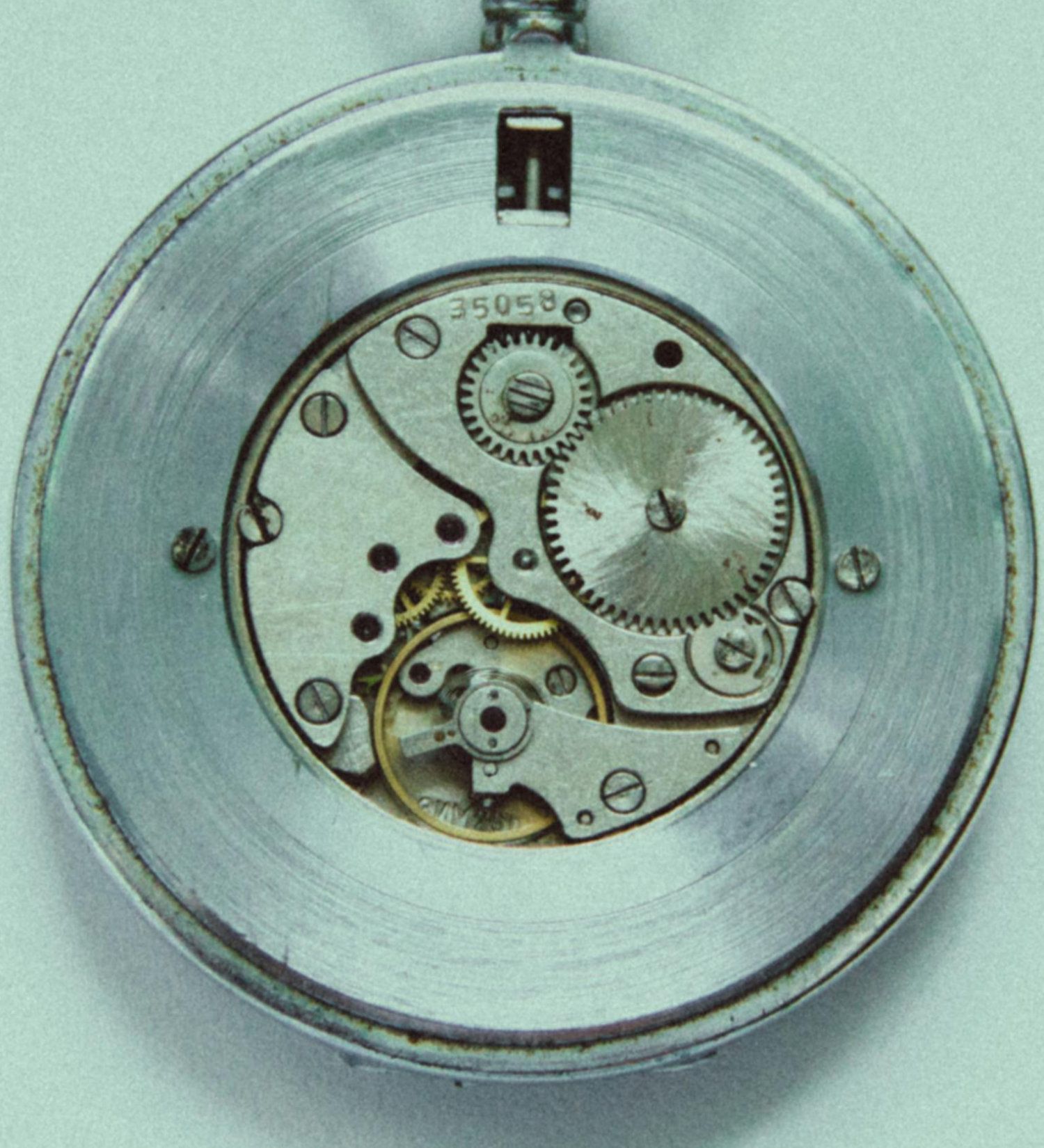
Mechanical watches are powered by a mainspring and regulated by a balance and escapement. They contain a train of wheels, pinions, screws, springs and jewels, all of which need careful handling.
You won’t want to attempt full disassembly of one of these until you have developed confidence with basic tools, magnification and parts control. Mechanical movements are rewarding to study, but easy to damage without the correct technique.
Automatic Watches
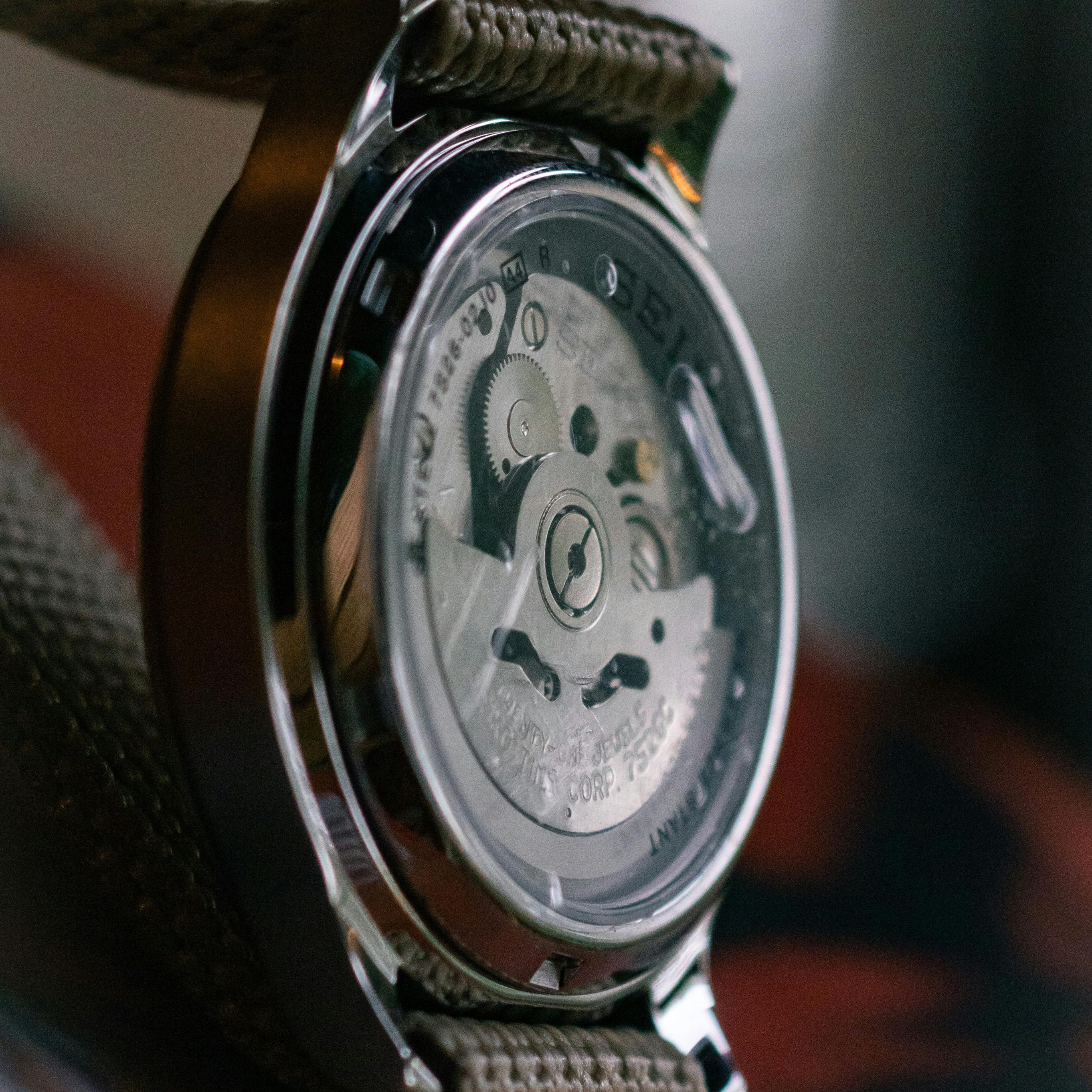
Automatic watches are mechanical watches with a self-winding system. The rotor winds the mainspring as the wearer moves their wrist.
They add another layer of complexity, particularly around the automatic winding mechanism. For beginners, it is usually better to understand manual-wind movements before attempting detailed work on automatic calibres.
Start with simple tasks with lower stakes
The best beginner tasks are those that let you practice your core skills without touching delicate movement parts.
Useful starting points include:
- Changing a watch strap
- Removing and refitting spring bars
- Resizing a bracelet
- Replacing a quartz watch battery
- Opening and closing simple case backs
- Inspecting gaskets and case seals
- Cleaning cases and bracelets externally
These jobs teach the essentials of controlled pressure, correct tool angle, magnification, parts handling and patience. They also help beginners understand how easily cosmetic damage can occur if a tool slips – not something you want to learn while working on your first Rolex.
A good rule is to practice first on inexpensive watches or non-working examples, and avoid anything sentimental, complex or valuable until you've mastered at least the basics.
Build a Beginner Watchmaking Toolkit
A beginner toolkit doesn’t need to be massive, but it does need some specific basics. Watchmaking tools are specially designed for precision, and substituting general DIY tools is one of the quickest ways to damage screws, case backs, bracelets or movements.
It can be tempting to buy the cheapest possible watch repair kit when starting out. While inexpensive kits can introduce basic concepts, poor-quality tools often make learning harder.
Watchmaker’s Screwdrivers
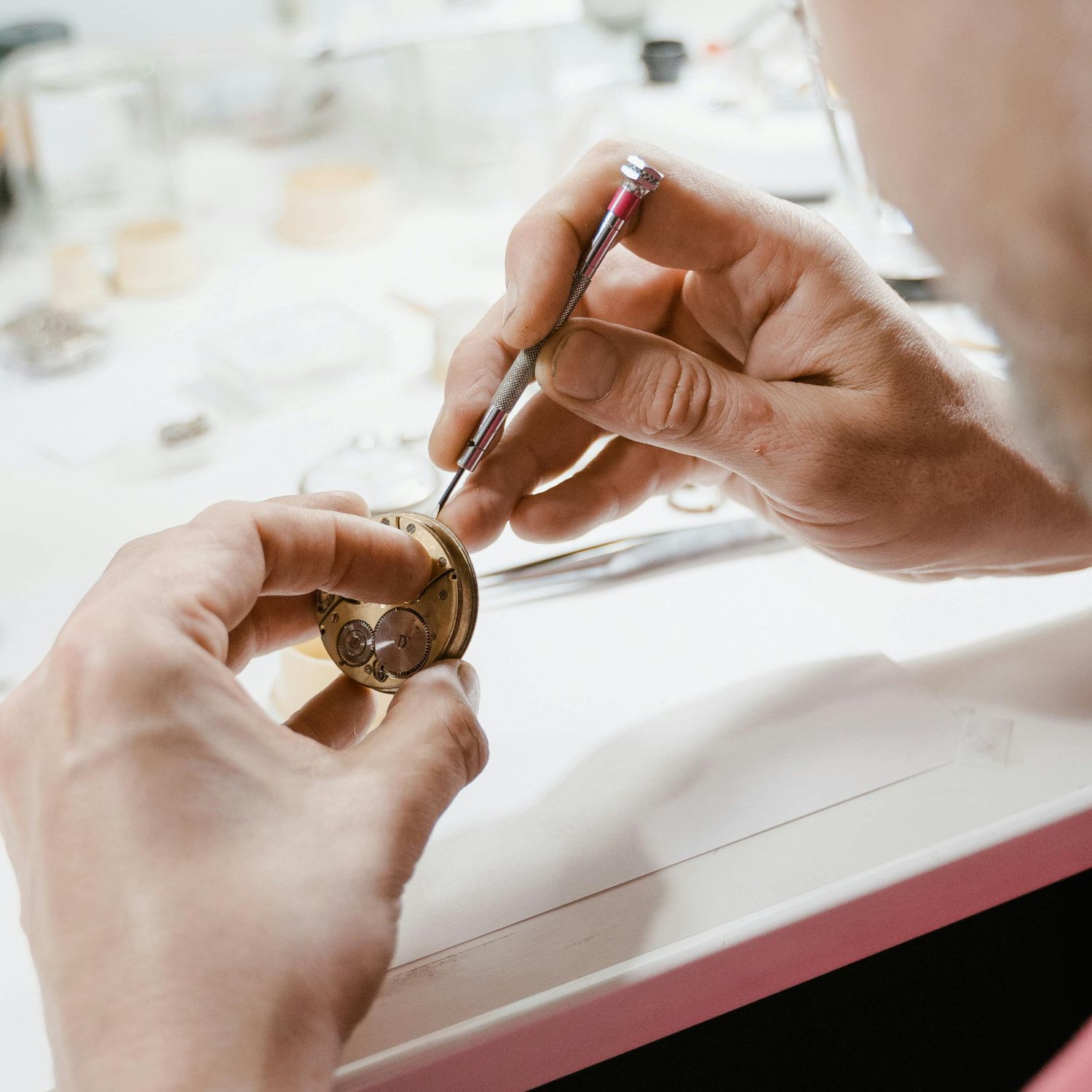
Good screwdrivers are essential. Watch screws are small, shallow and easily burred if the blade does not fit correctly.
A beginner will need to learn to select the right blade size, keep the screwdriver vertical and apply controlled downward pressure. As skills develop, maintaining and dressing screwdriver blades also becomes part of good bench practice, and helps to protect your investment in quality tools.
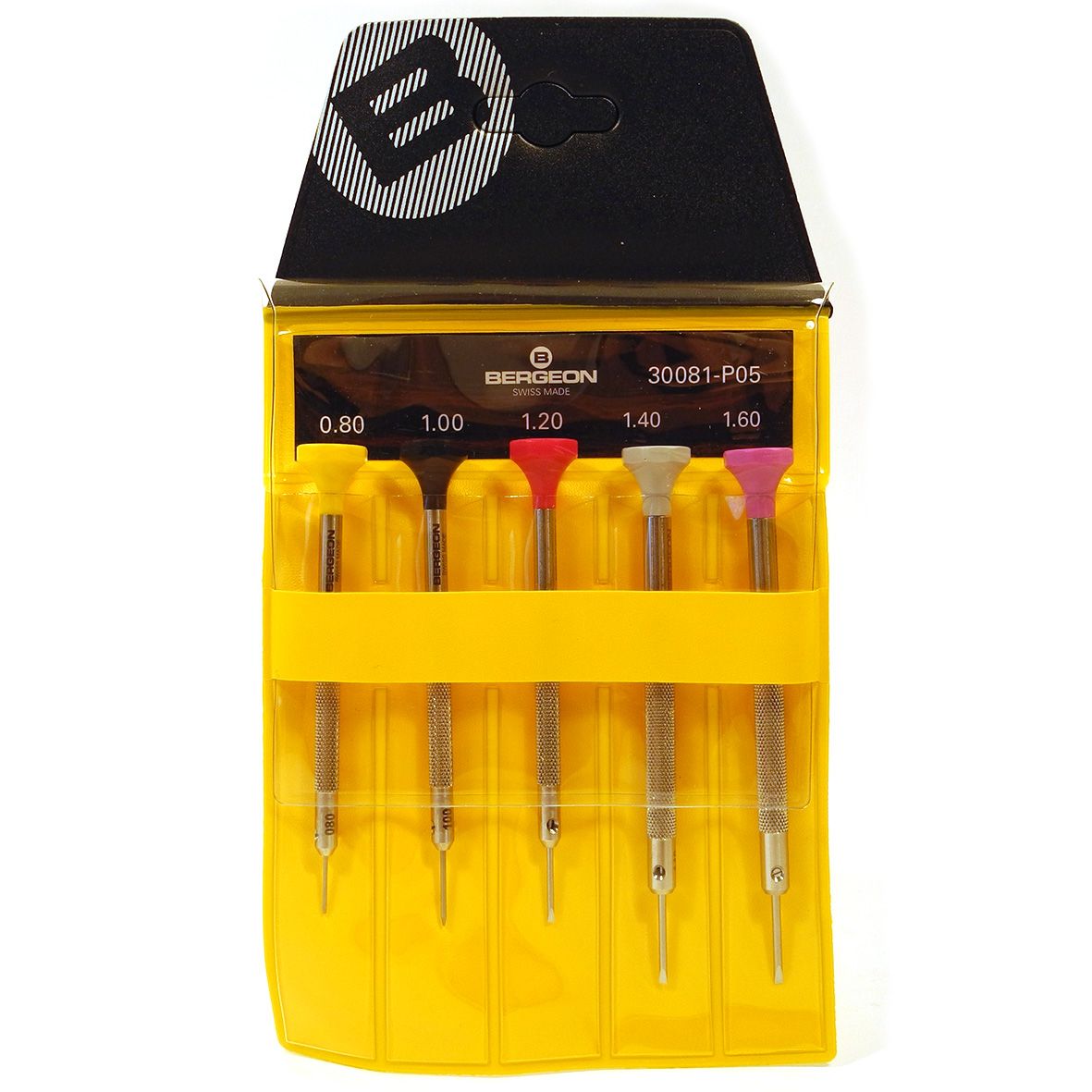
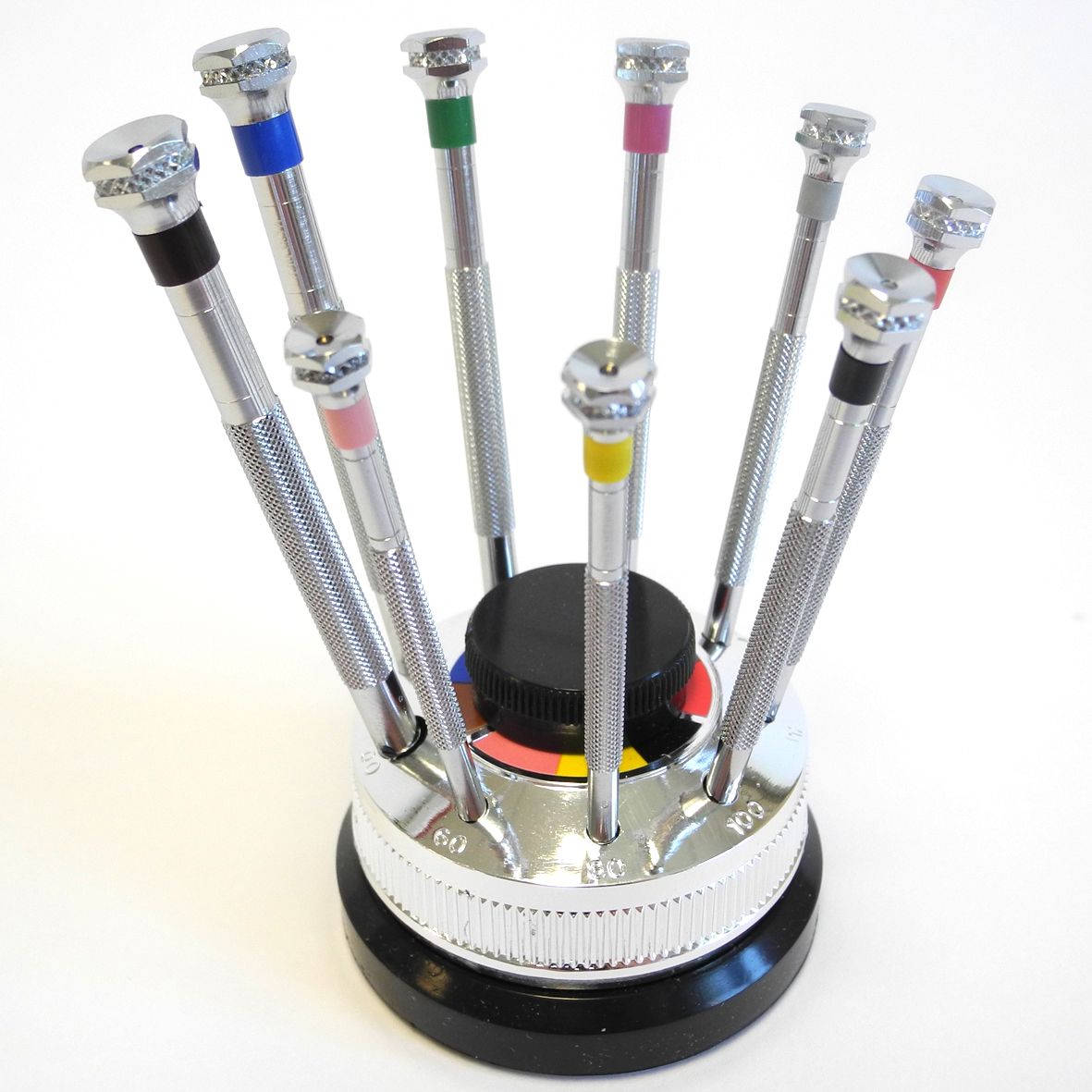
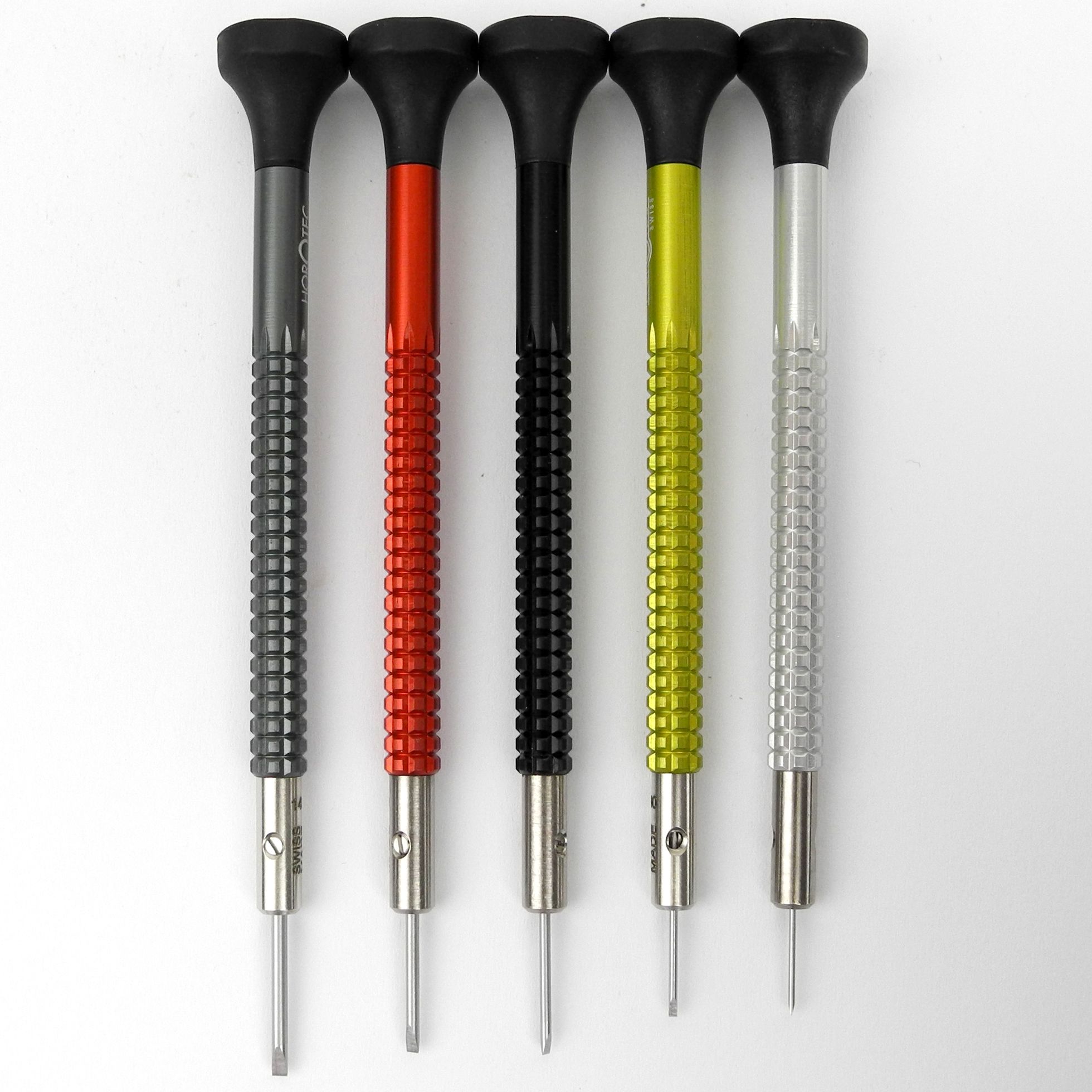
Our watchmaker's screwdriver recommendations
Set Of five Bergeon Ergonomic Screwdrivers In Plastic Wallet
Set Of Nine Watchmakers' Screwdrivers On Revolving Base
Set of five Horotec watchmaker's screwdrivers
Tweezers
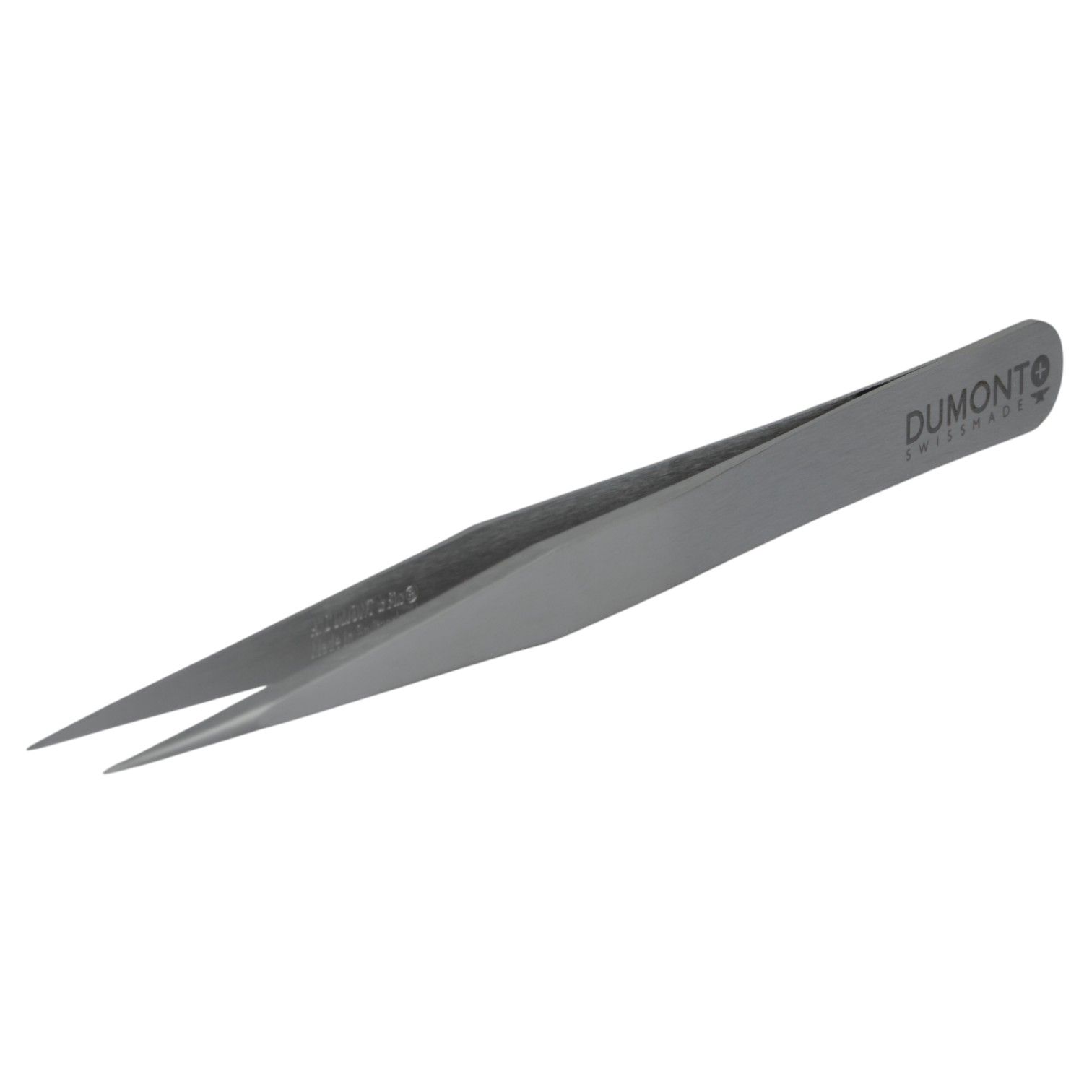
Tweezers are used for handling screws, springs, hands, movement parts and other small components.
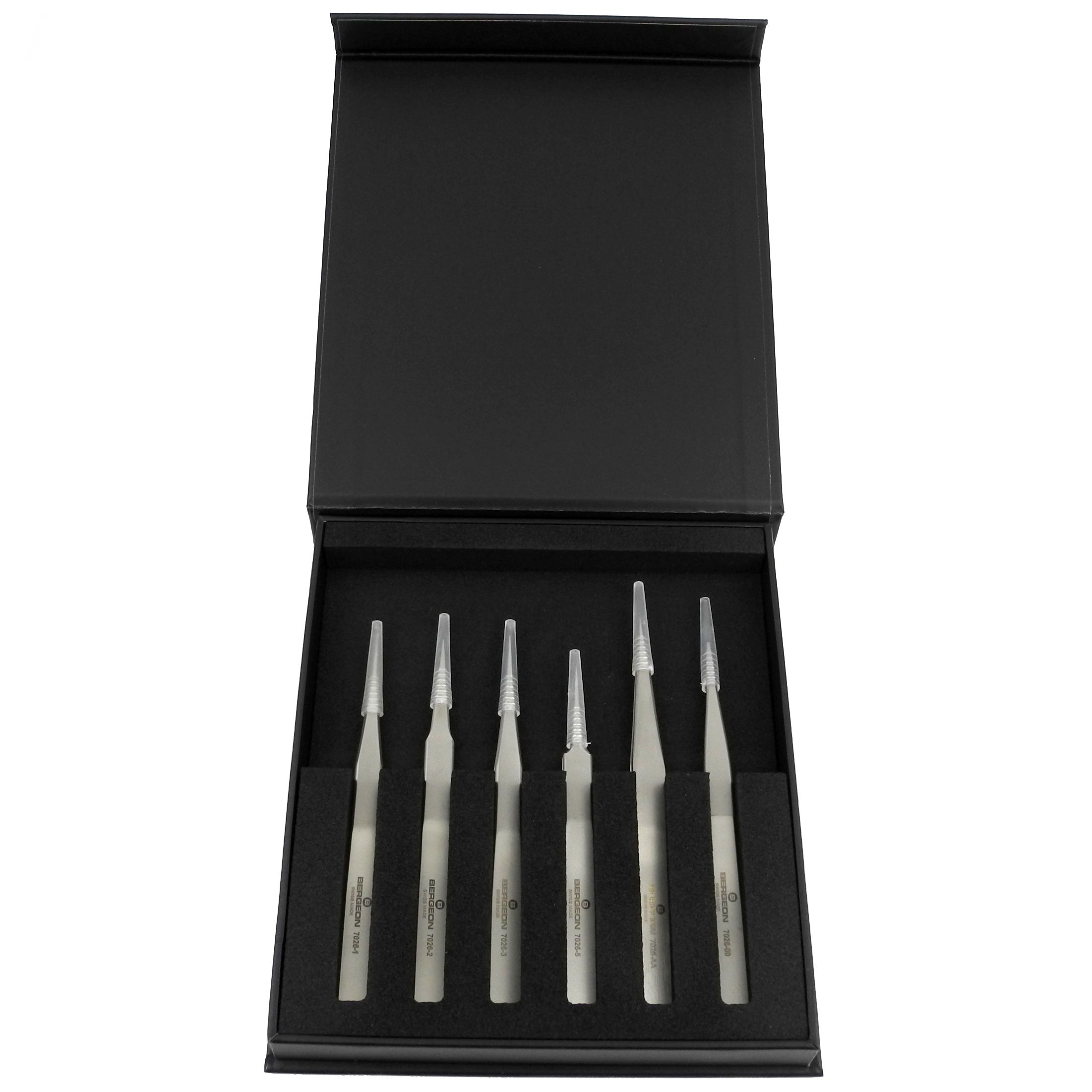
Anti-magnetic tweezers are particularly useful because magnetism can affect small steel parts and, in mechanical watches, may contribute to poor timekeeping. Different tweezer shapes and materials suit different jobs, but a good general pair is enough to begin with.
Our watchmaker's tweezer recommendations
Dumont® Inox 02 Polished Tweezers
Set of six Bergeon antimagnetic tweezers
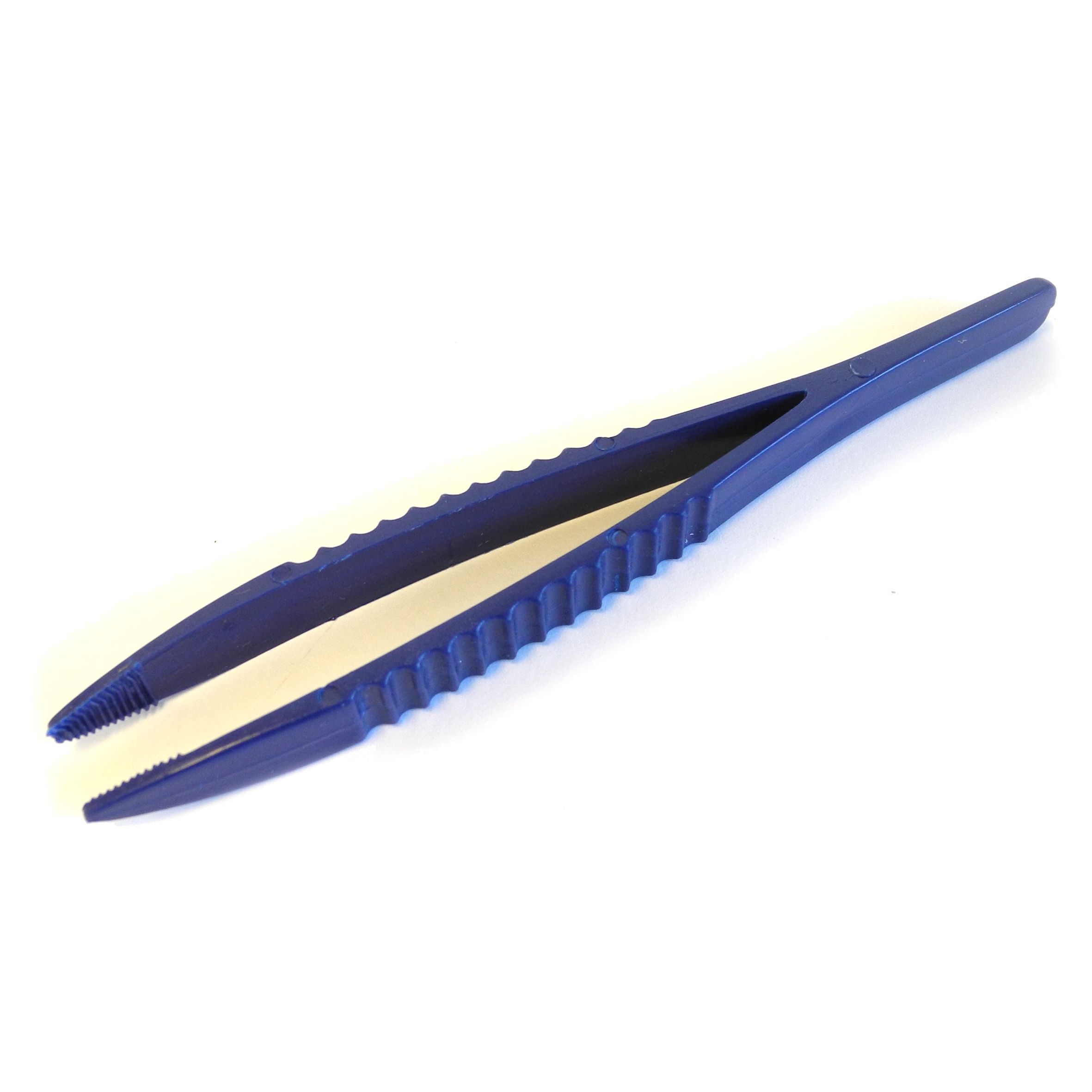
Plastic tweezers
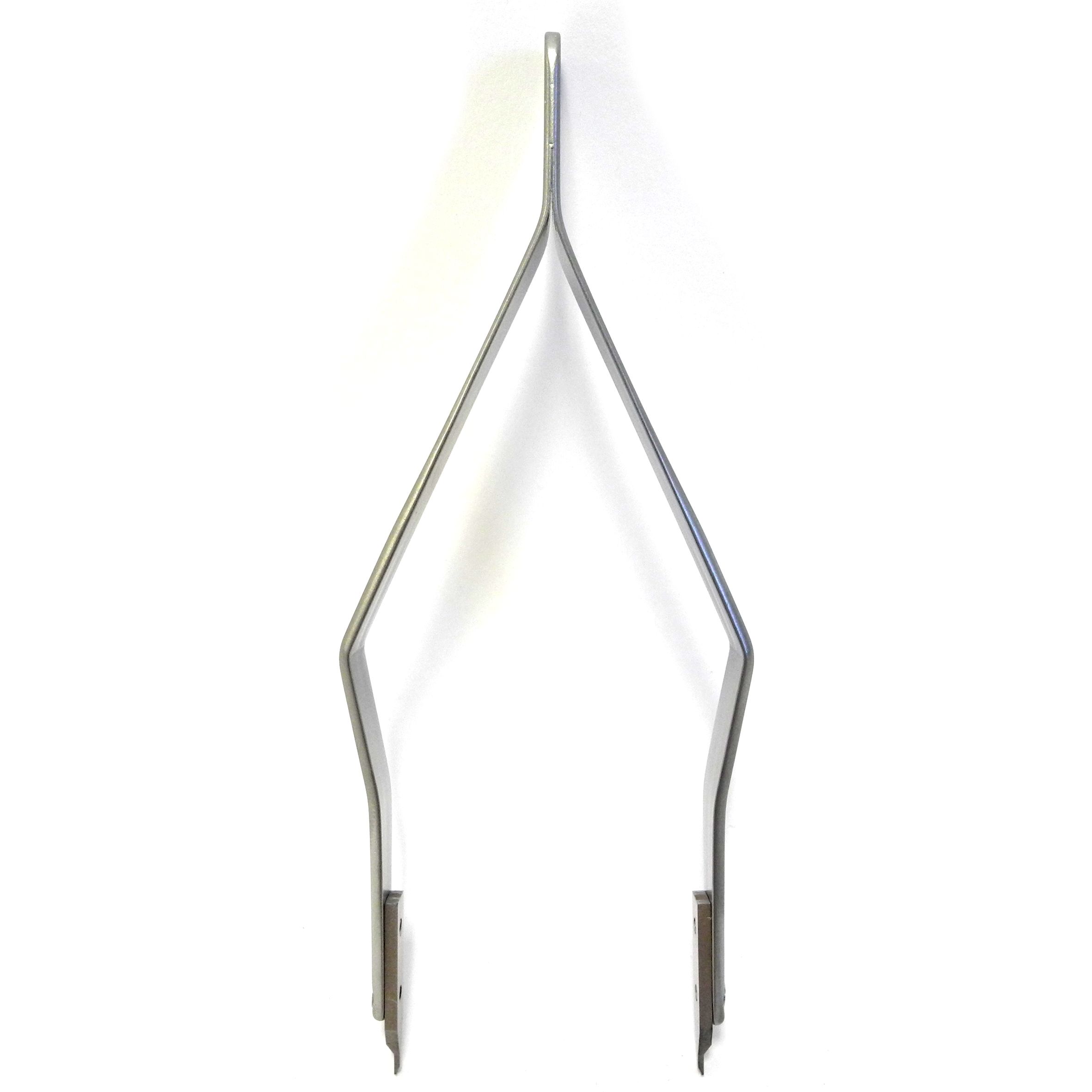
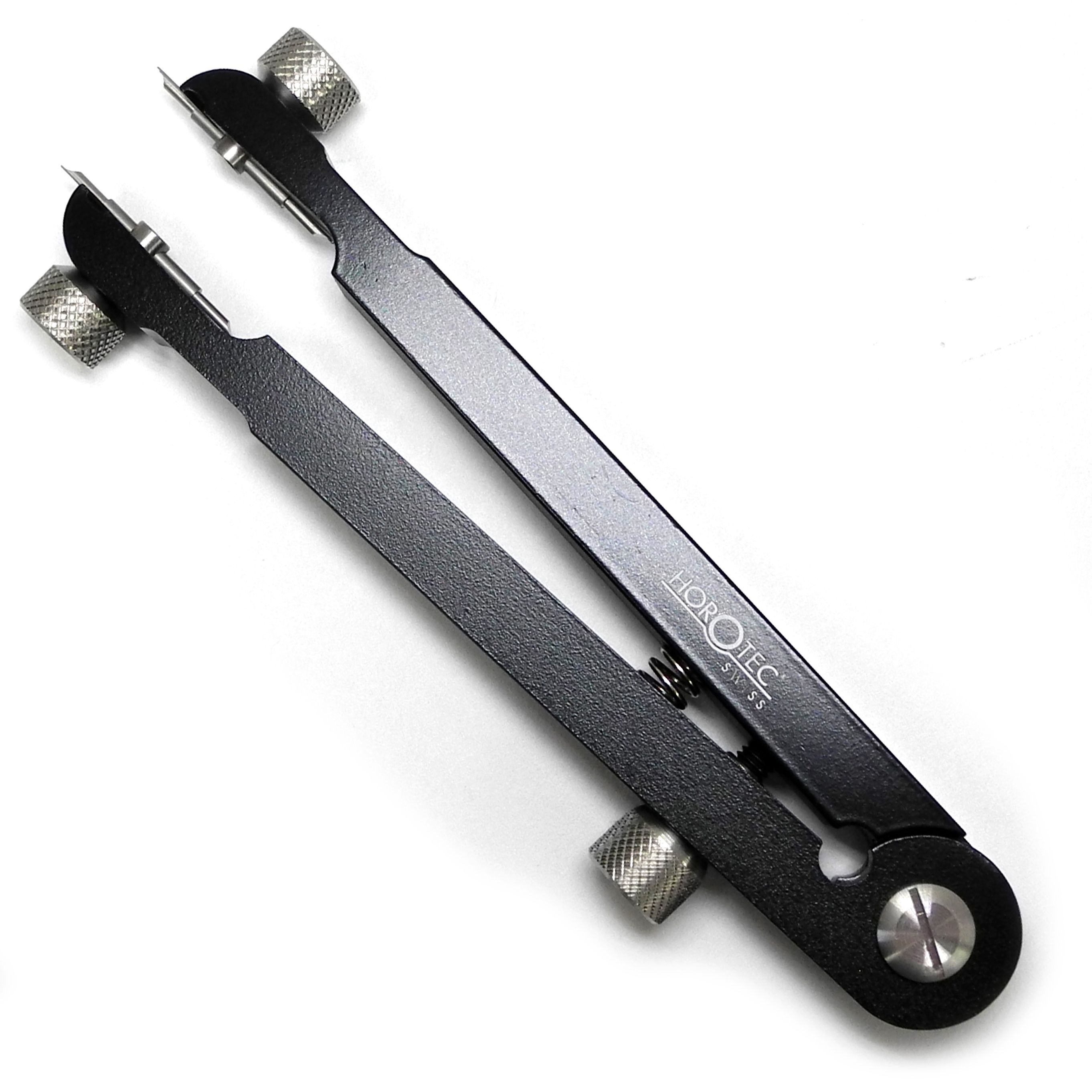
Spring Bar Tool
A spring bar tool is one of the most useful entry-level tools. It allows straps and bracelets to be removed safely when used correctly.
For beginners, this is an ideal way to practice controlled hand movement because the risk is mainly cosmetic rather than mechanical. Even so, care is needed to avoid scratching lugs.
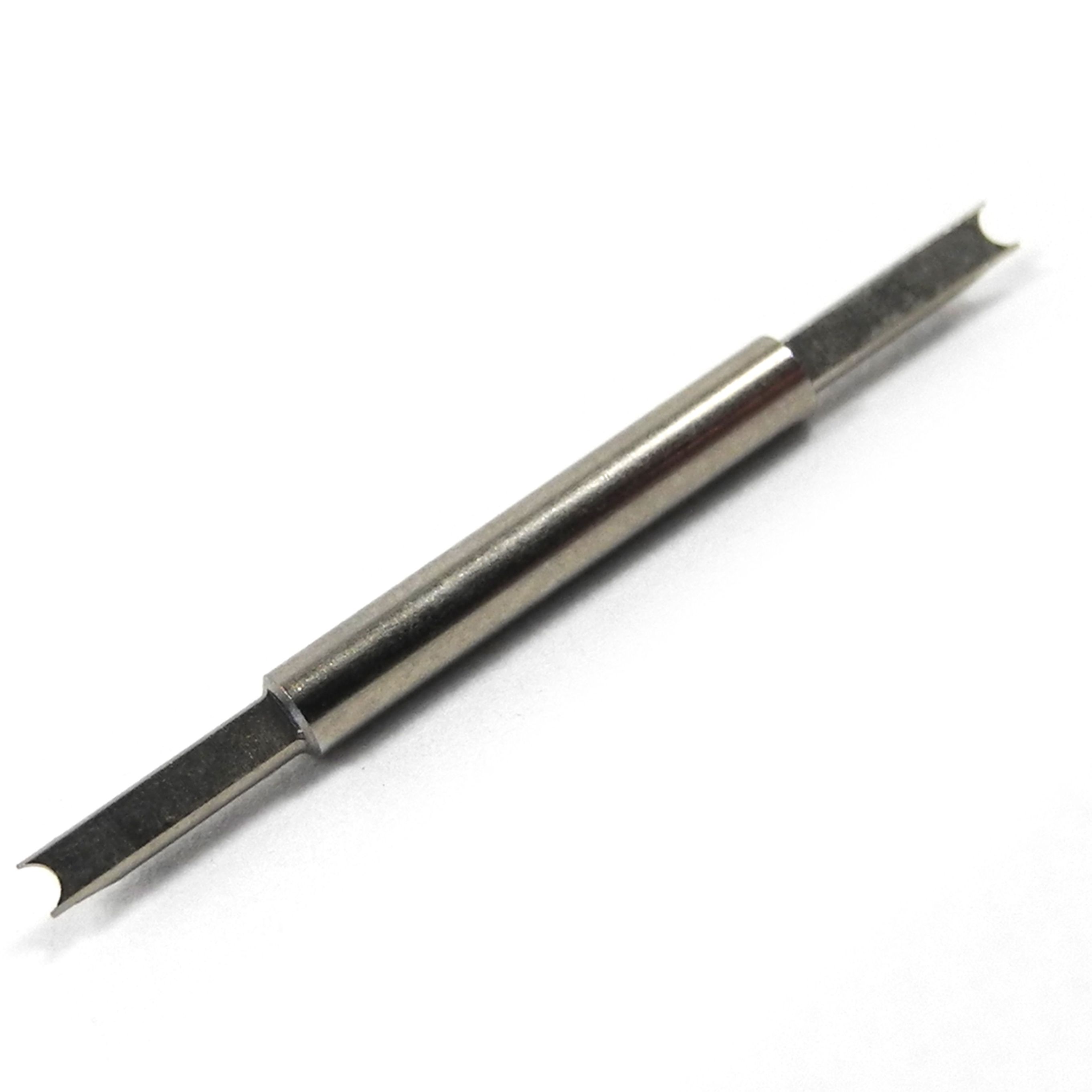
Our spring bar tool recommendations
Bergeon Watch spring bar tool
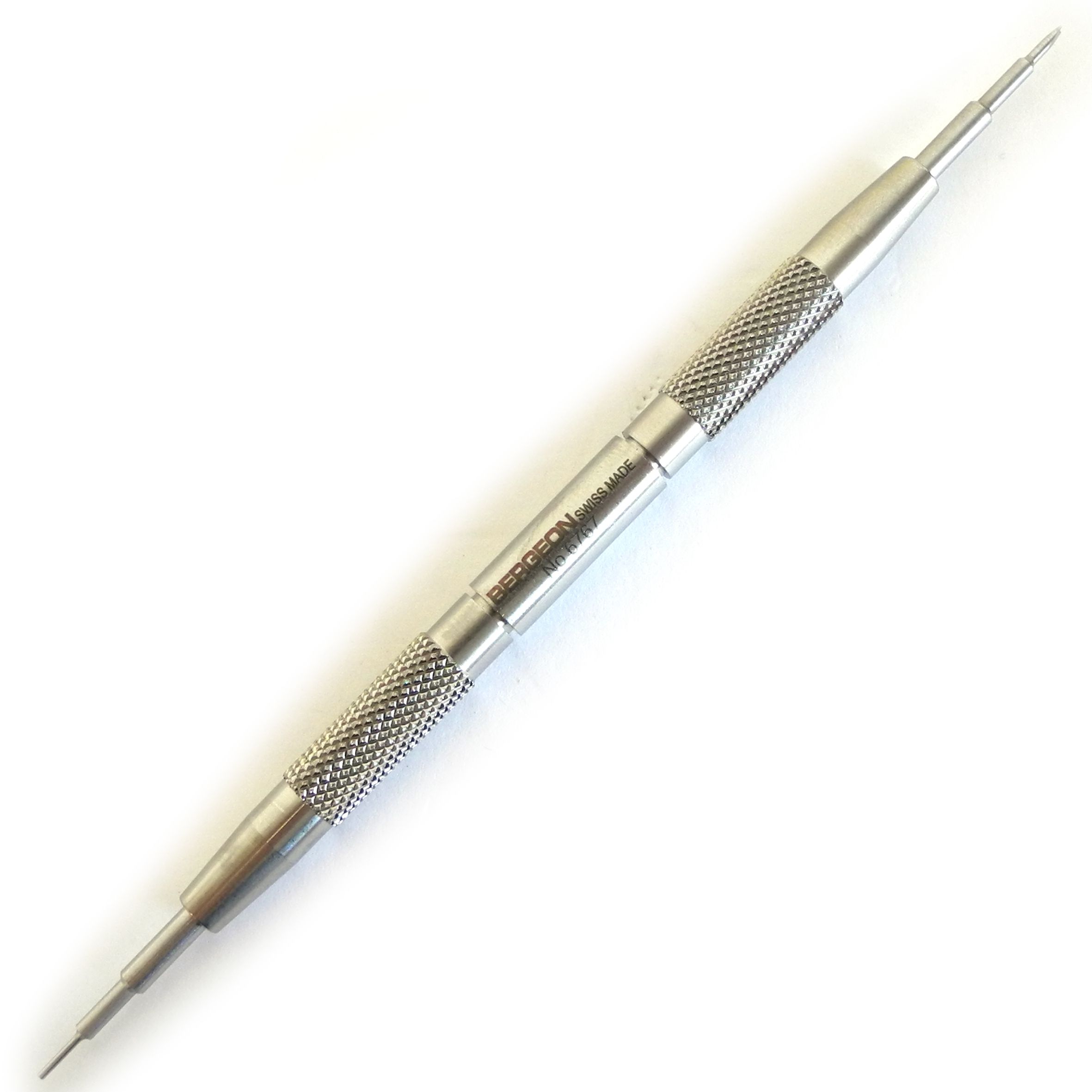
Bergeon Spring Bar Tweezer Tool
Horotec Watch Spring Bar Plier
Case Back Openers
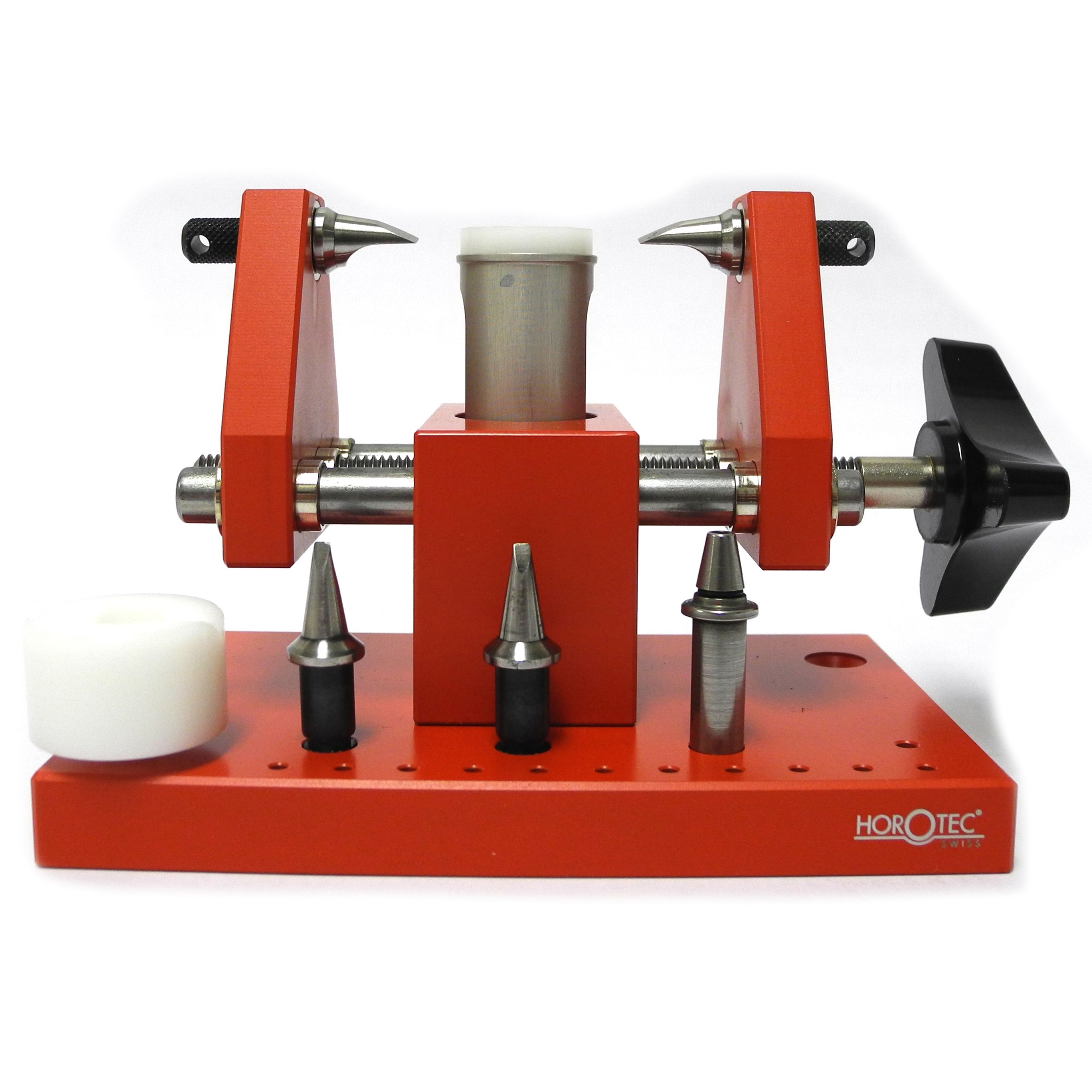
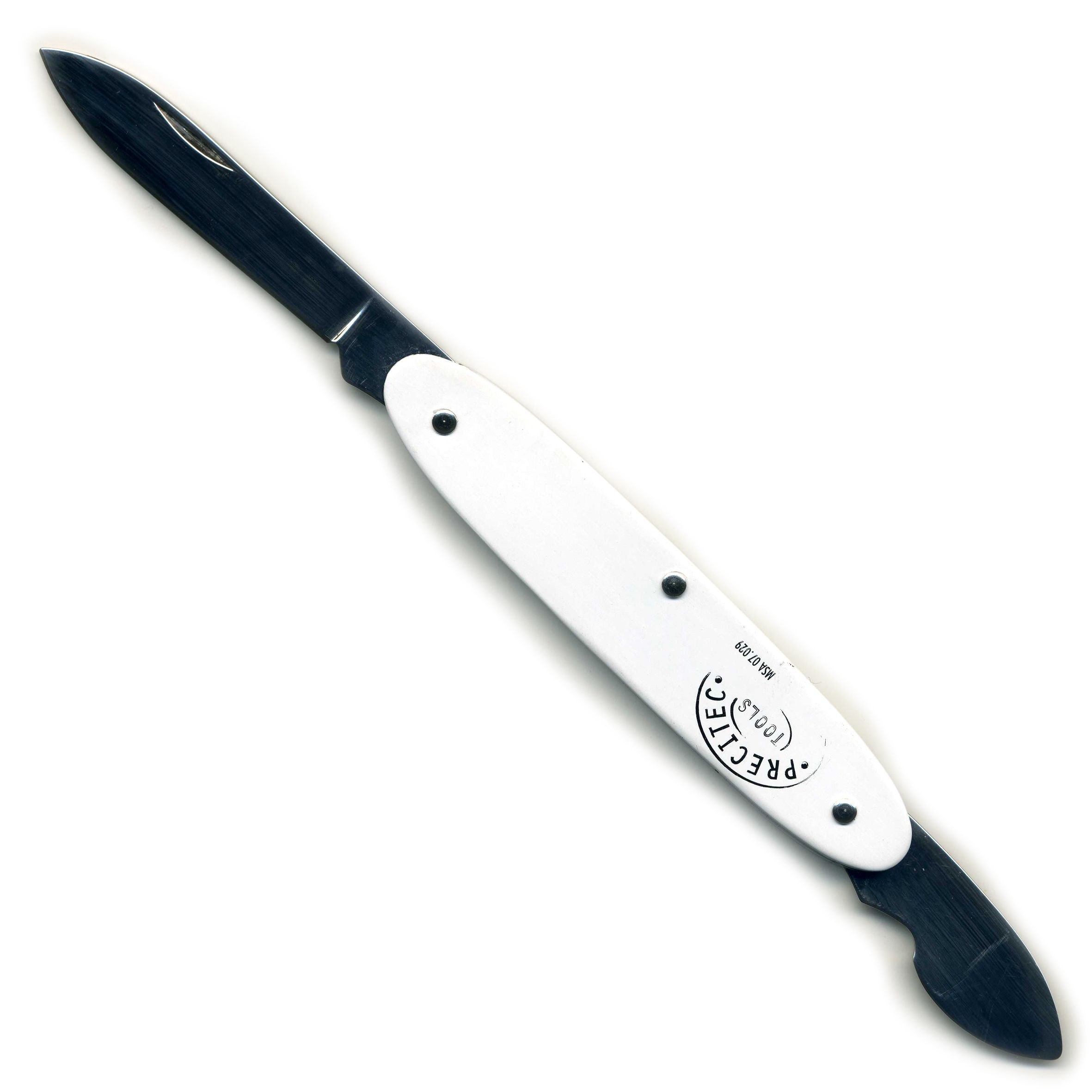
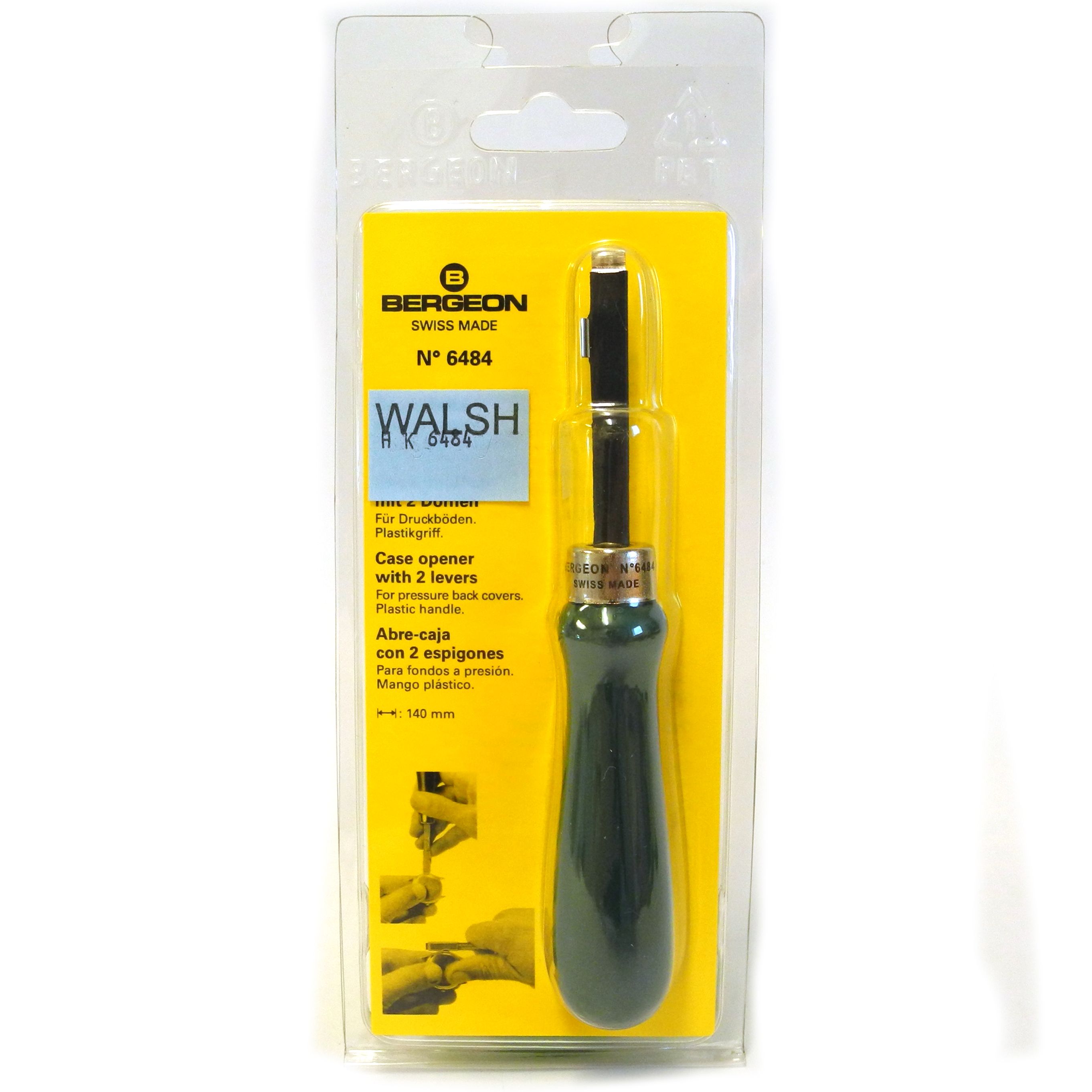
Different watches use different case back designs. Snap-on case backs, screw backs and notched backs all require different opening methods.
Using the wrong opener can mark the case or deform the back. Beginners need to learn to identify the case back type before attempting to open it.
Recommended case back opener tools
Horotec Watch Case Opening Crab For Snap On Watch Backs
Horotec Economy Watch Case Opening Knife (2 Blades)
Bergeon Swiss 2 Lever Watch Case Opener
Magnification
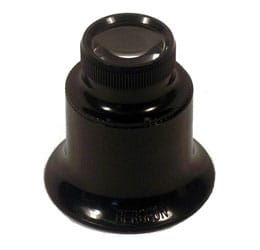
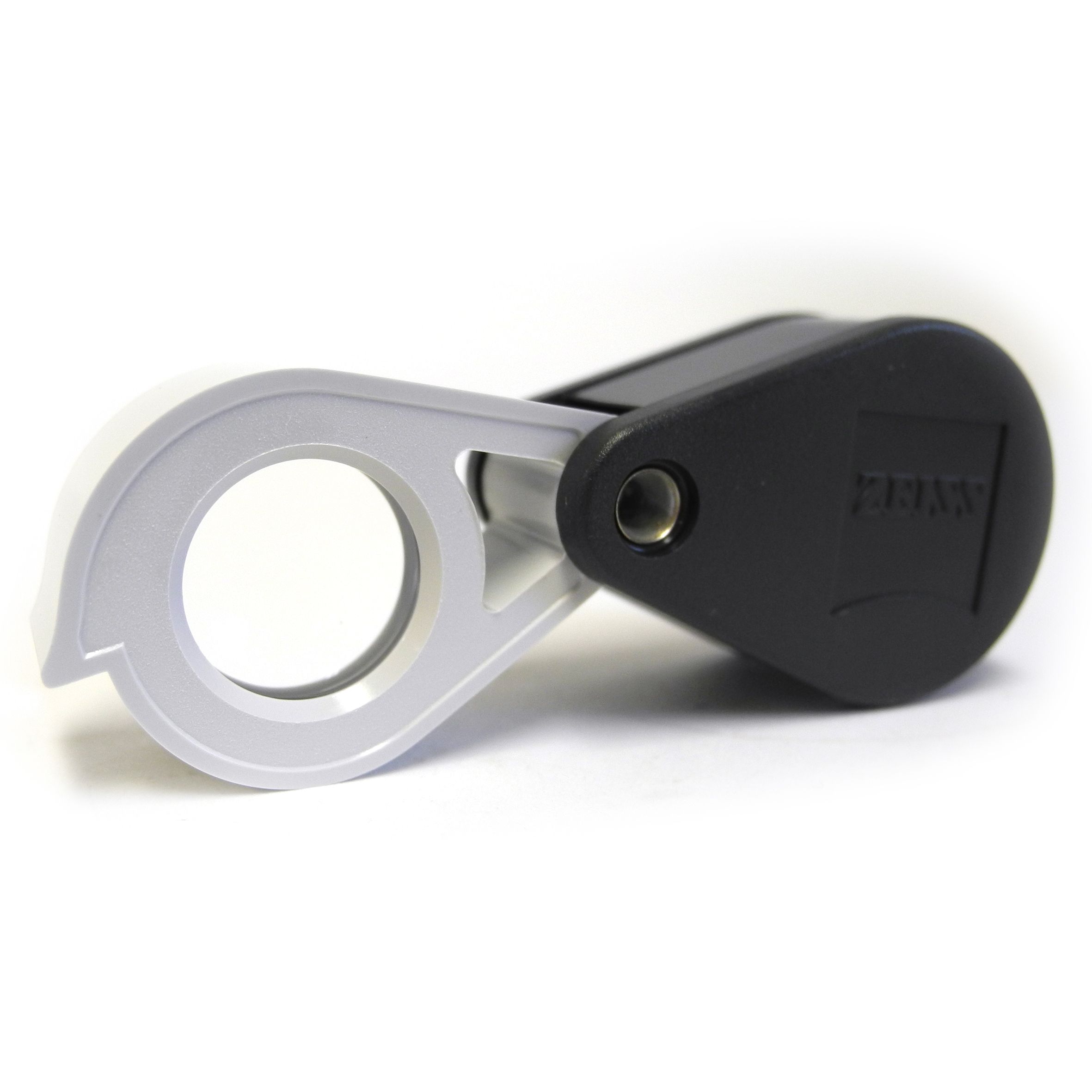
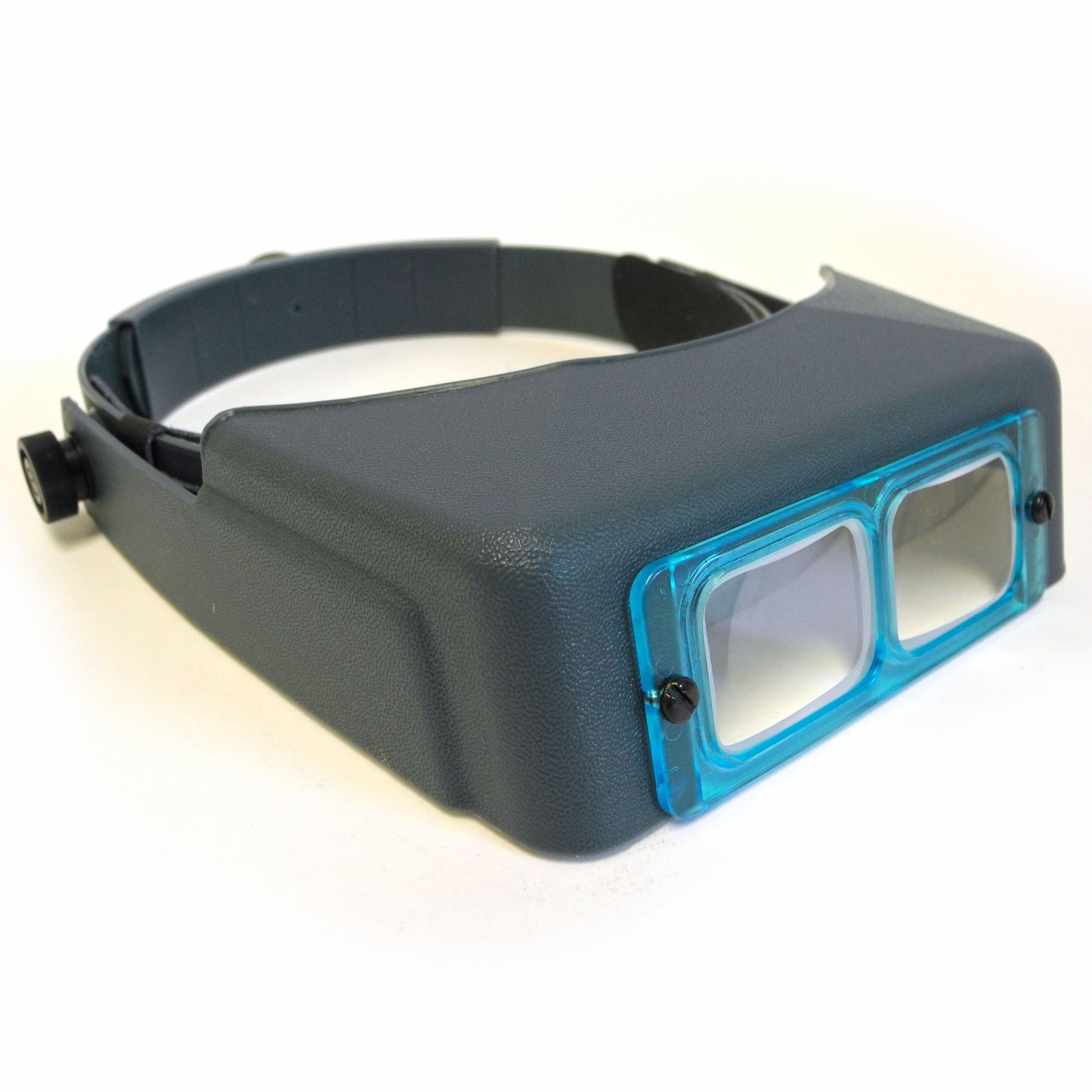
A loupe or bench magnifier helps you see what your hands are actually doing. Many mistakes happen because would-be watchmaker is working by feel rather than by sight.
Magnification is especially important when checking screw slots, spring bars, case seals and small components.
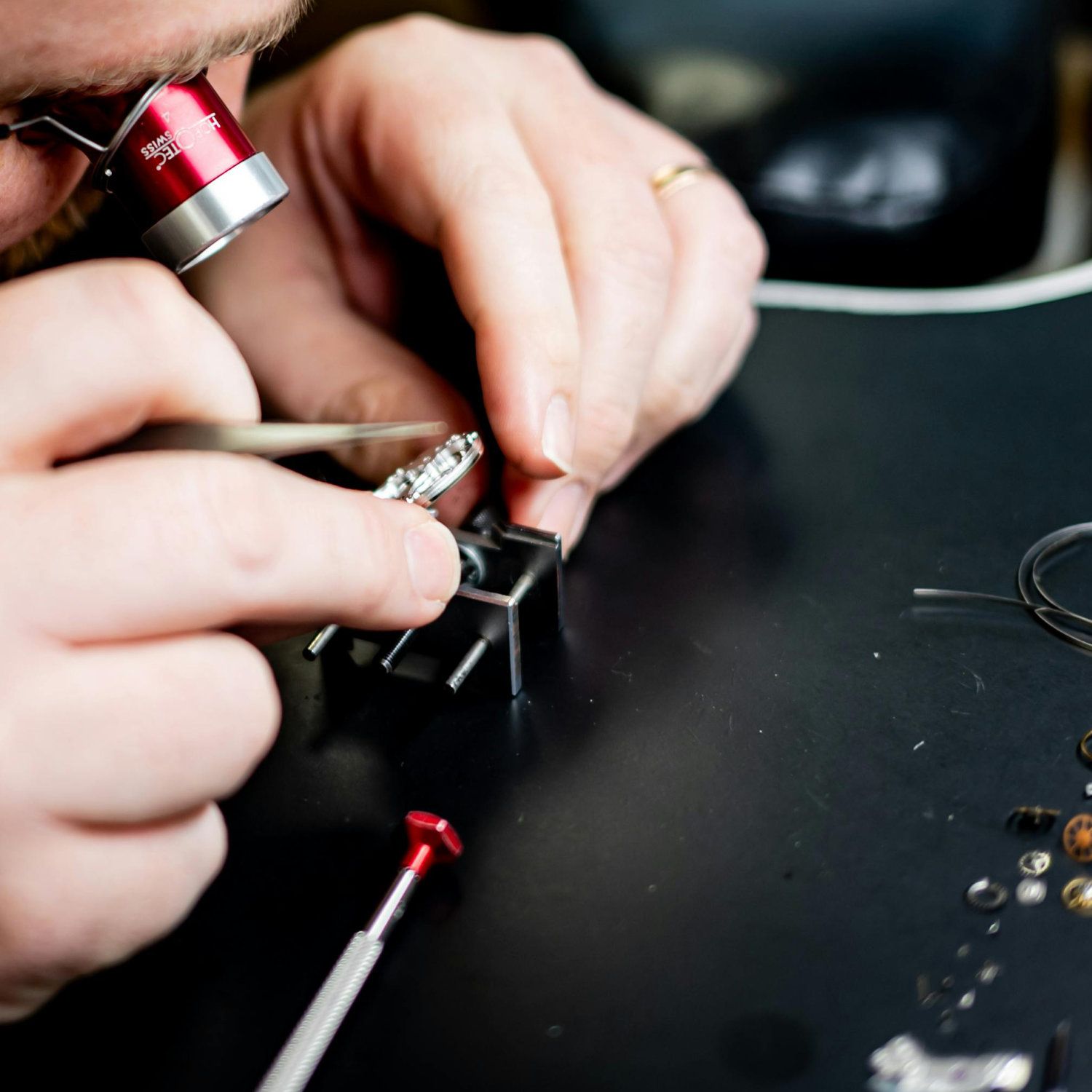
Our watchmaking magnification recommendations
Bergeon 15x Magnification Double Lens Eyeglass
D40 Pocket x10 Magnification Zeiss Loupe
Donegan DA5 Optivisor 2.5x Magnifier Headband
Bench Mat and Parts Storage
A soft bench mat protects the watch and helps stop small components from bouncing away. Parts trays, dust covers and small containers are also useful, even for simple jobs.
Good organisation is an important part of the craft, and you should try to bake it in to everything you do from your very first attempt.

Our Bench Mat Recommendations
Horotec Antistatic Green Bench Mat

Bergeon Self Adhesive Green Bench Mat
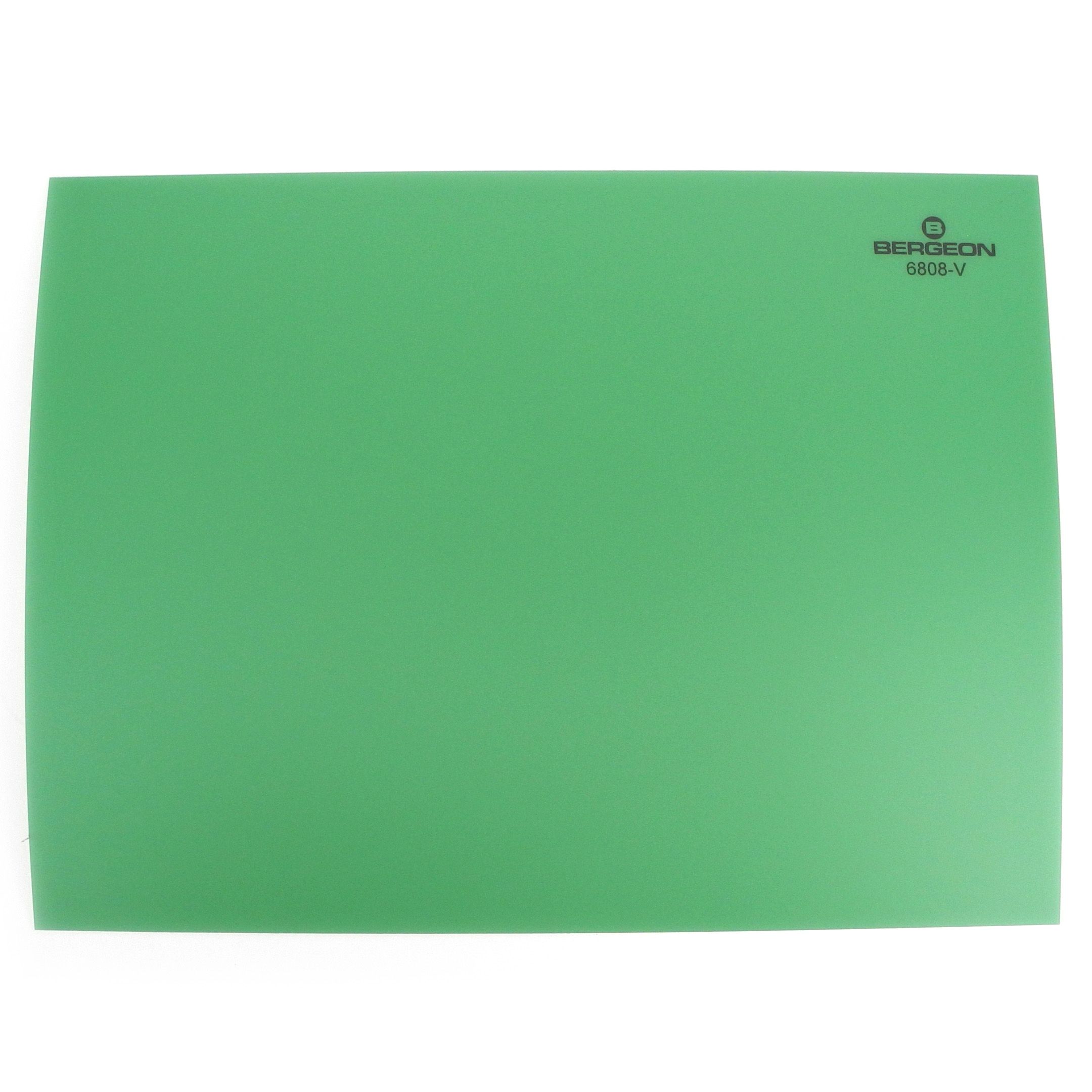
A*F Green Bench Mat

- A case cushion
- Rodico or similar cleaning putty
- A dust blower
- Bracelet adjustment tools
From there, more advanced tools can be added as needed, such as movement holders, hand removers, hand setting tools, oilers, lubricants, cleaning baskets, timing machines and pressure testing equipment.
Getting started in watchmaking is about building skill in the right order. Keep it simple to begin with, learn how different watches are constructed, invest in suitable tools and develop clean, careful working habits.
As your confidence grows, you can move from basic repair work into the deeper study of mechanical movements, servicing and regulation. With patience and the right equipment, watchmaking offers a rewarding path into one of the most precise and fascinating mechanical crafts.
Set Up a Suitable Workspace
A watchmaking workspace should be clean, well-lit and tidy. You don’t need a full professional bench on day one, but the environment should support careful work.
Important basics include:
- Bright, even lighting
- A stable table or bench
- A soft, clean work surface
- Minimal dust
- Separate storage for small parts
- No food, drink or clutter near the work area
- Enough space to lay out tools logically
Dust is a particular concern when working on movements. You’ve probably heard the old saying about “a grain of sand in a Swiss watch”, and it’s true that even a tiny particle can interfere with performance. For early external repairs, cleanliness is still important because dirt can be transferred into a case once opened, so start as you mean to go on.
Learn the Principles Before Opening Movements
It is tempting to open a mechanical watch and start dismantling it, but without the necessary skill and practice, that’s probably going to end with a small pile of parts and no way to put them back together.
Before movement work, beginners should understand the basic function of:
- The mainspring and barrel
- The gear train
- The escapement
- The balance wheel and hairspring
- Jewels and pivots
- The keyless works
- The setting and winding mechanism
This knowledge helps you understand what you are looking at, and why certain components must be handled with extreme care.
The balance and hairspring, for example, are delicate and easily distorted, and the keyless works can be awkward to reassemble if parts move unexpectedly. Learning the theory first makes practical work far less frustrating.
Know When Not to Attempt a Repair
It’s also important to know what not to touch.
Some jobs are best left until you have more experience or the proper equipment. These include:
- Opening valuable watches
- Opening watches still under warranty
- Water-resistance testing after case opening
- Polishing luxury cases
- Removing watch hands
- Dial work
- Mechanical movement servicing
- Chronograph repairs
- Vintage watch repairs where parts may be scarce
This doesn’t mean beginners cannot progress to these areas. It simply means they require the right tools, knowledge and practice.
For example, replacing a battery may appear simple, but if the watch is designed to be water resistant, the gasket may need inspection, lubrication or replacement, and the watch may need pressure testing afterwards.
A suggested progression
A useful way to plan your progression is in stages.
Stage 1: External Watch Work
This includes strap changes, bracelet sizing, case cleaning and simple visual inspection. It builds confidence and tool familiarity.
Stage 2: Basic case access
This includes opening case backs, replacing batteries, checking gaskets and closing cases correctly. It introduces the importance of cleanliness and correct pressure.
Stage 3: Movement familiarity
At this stage, beginners can study inexpensive mechanical movements, identify components and practise careful handling.
Stage 4: Disassembly and reassembly
This involves taking apart and rebuilding a movement for learning purposes. It should be done on a low-cost practice movement, not a valuable watch.
Stage 5: Cleaning, lubrication and regulation
This is where watchmaking becomes more technical. Correct oils, cleaning methods, timing equipment and adjustment skills become important.
Stage 6: Re-casing and stem length adjustment
To properly fit a watch movement, you must carefully align the dial within the new case before trimming the winding stem in small increments with a pin vice and side cutters, ensuring the crown seats flush against the case without putting pressure on the internal setting mechanism.
Stage 7: Specialist repairs
Chronographs, automatic winding systems, calendar mechanisms, water resistance, case refinishing and vintage restoration all require more advanced experience.
This staged route helps beginners avoid the common mistake of buying advanced tools before they have mastered basic bench skills.