
Mastering Jewellery Soldering
Soldering is one of the most important skills in jewellery making. Whether you're joining two pieces of metal, attaching a finding or repairing an existing piece, learning how to control heat and solder will give you the confidence to create strong, clean and professional joins.
How soldering works
Soldering is the process of joining two pieces of metal using a separate metal alloy called solder. The solder melts at a lower temperature than the jewellery metal, allowing it to flow into the joint without melting the main piece.
The key to successful soldering is not simply melting the solder. The two pieces being joined need to be brought to the correct temperature so the solder can flow cleanly across the joint.
Heat the metal, not the solder.
Once the metal reaches the correct temperature, the solder should flow naturally into the joint. If you concentrate the flame directly on the solder, it can melt before the surrounding metal is hot enough, resulting in a poor or incomplete join.
Essential tools & materials for soldering
A good soldering setup does not need to be complicated. The essential equipment consists of a suitable heat source, solder, flux, a safe soldering surface and the tools needed to position and manipulate the metal.
Heat source
A suitable jewellery soldering torch provides the controlled heat needed to bring the metal up to soldering temperature.
Solder
Jewellery solder is available in different grades. Choosing the correct grade helps you complete multiple joins without accidentally remelting earlier soldered areas.
Flux
Flux helps prevent oxidation and allows the molten solder to flow across the clean metal surface.
Soldering surface
A heat-resistant soldering block or suitable soldering surface provides a safe and stable area on which to work.
The Heat Source (Torches)
The torch is the heart of the soldering setup. The type of torch you need depends on the size of the work, the metal being soldered and the amount of heat required.
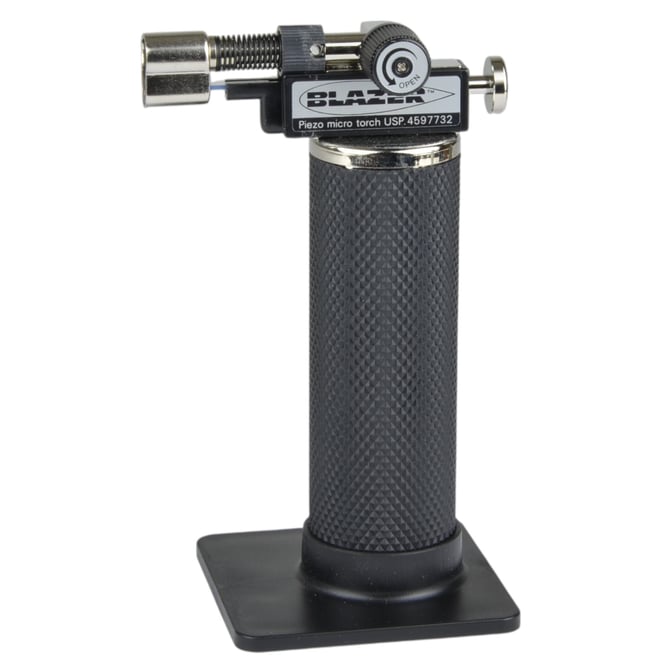
Butane Hand Torches
Butane hand torches are a convenient option for smaller jewellery work and are particularly useful for beginners. They are portable, easy to use and suitable for many common soldering jobs.
Propane/Oxygen
Propane and oxygen systems provide a hotter and more controlled flame, making them suitable for larger pieces of jewellery and more demanding soldering work.
The Three Types of Solder
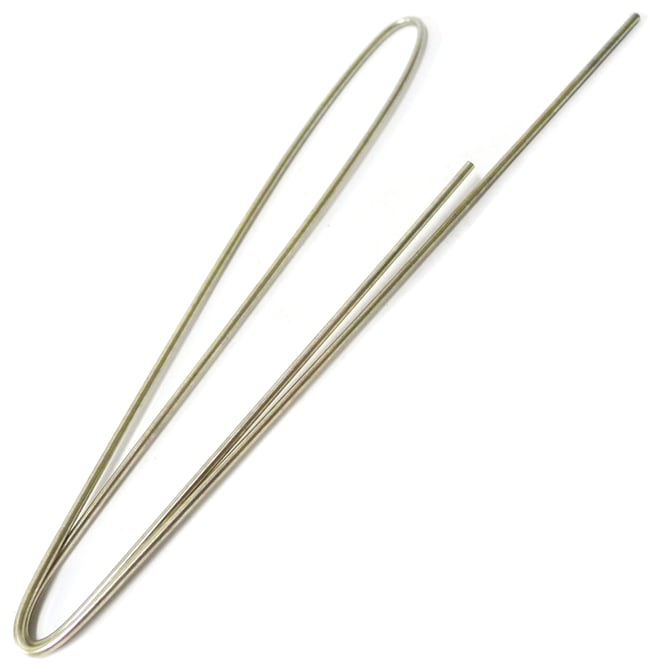
Jewellery solder is available in different grades, each with a different melting temperature. Using the grades in the correct order allows you to make several joins without melting the joins you have already completed.
| Solder | Temperature | Typical use |
|---|---|---|
| Hard | 745°C | First join |
| Medium | 700°C | Second and third joins |
| Easy | 650°C | Final joins and repairs |
As you build a piece, work from the highest melting temperature solder to the lowest. This helps prevent previously completed joins from coming apart as you add new components.
Flux: The Chemical Shield
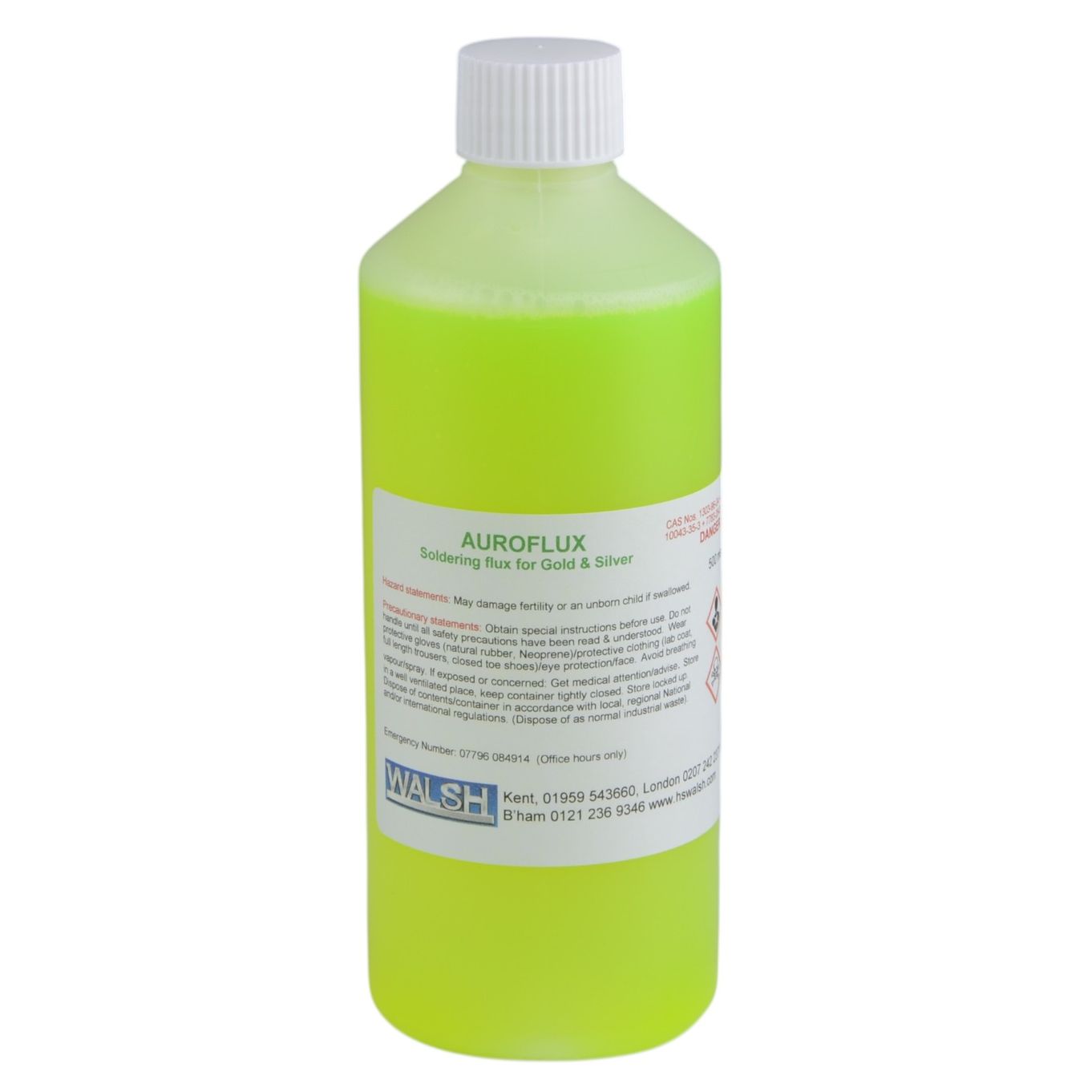
Flux is an essential part of the soldering process. When metal is heated, it reacts with oxygen in the air and forms oxides on the surface. These oxides can prevent solder from flowing properly.
Flux helps protect the metal from oxidation during heating and helps reduce surface tension, allowing molten solder to flow across the joint.
Liquid flux
Liquid flux is a convenient option for jewellery soldering and can be applied directly to the area where solder needs to flow.
View Auroflux Liquid FluxBorax cone and dish
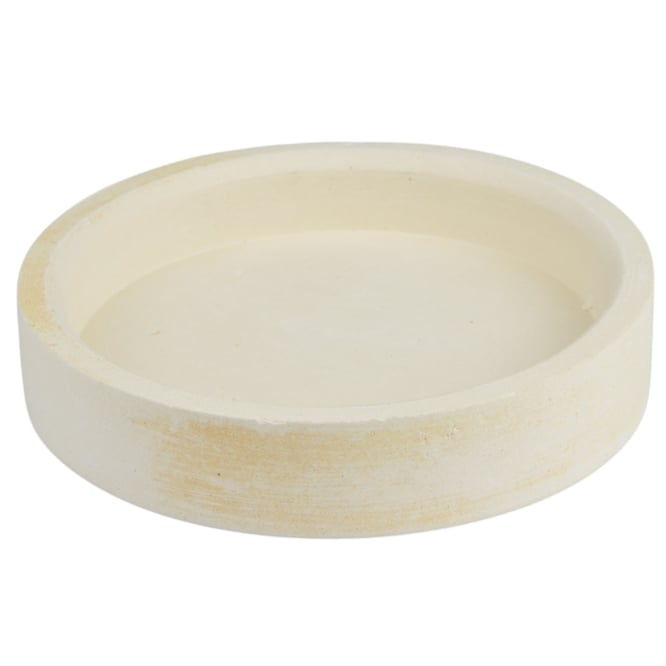
Traditional borax flux can be prepared using a borax cone and dish. The borax is mixed with water to create the flux before it is applied to the area being soldered.
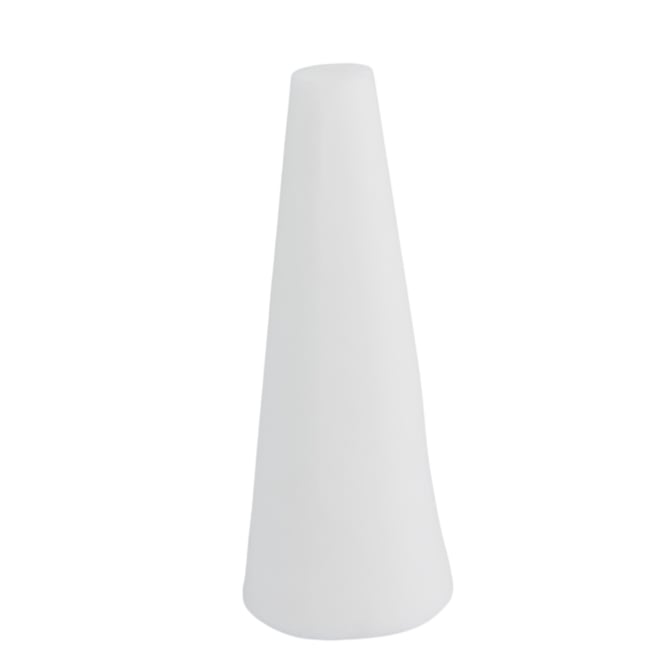
| Flux | Purpose |
|---|---|
| Liquid flux | Helps protect the metal from oxidation and allows solder to flow during heating. |
| Borax | Traditional flux used to help prevent oxidation and improve solder flow. |
The Soldering Surface
Your soldering surface needs to withstand high temperatures while allowing you to position the work securely. Different surfaces offer different benefits depending on the type of jewellery you are making.
Charcoal blocks
Charcoal blocks retain heat and can reflect heat back towards the work, making them useful for many jewellery soldering applications.
Honeycomb ceramic blocks
Honeycomb ceramic blocks provide a stable, heat-resistant working surface and are particularly useful when you need to secure pieces using pins or supports.
Soldering grain
Soldering grain can be used to support and raise work away from the soldering surface, helping heat circulate around the piece.
The 5-step process for a perfect join
Make sure sides of join fit
Before applying any heat, make sure the two surfaces you want to join fit together closely. The better the fit, the easier it is for solder to flow through the joint.
Clean before soldering
Clean the metal before soldering. Dirt, grease, oxides and other contamination can prevent solder from flowing and create a weak or incomplete joint.
Put flux in the right place
Apply flux to the area where the solder needs to flow. Avoid applying excessive amounts; the flux should protect the joint without flooding the surrounding area.
Heat item properly, with “Flash”
Heat the piece evenly and bring the metal up to the correct soldering temperature. Watch the behaviour of the flux and solder carefully.
Watch for the “Flash”.
The flux will change as the metal heats. When the metal reaches the correct temperature, the solder should melt and flow into the joint rather than simply sitting on the surface.
Quench and Pickle
Once the solder has flowed and the joint is complete, allow the piece to cool appropriately before quenching and placing it into pickle to remove oxides and flux residue.
Common soldering issues to watch out for
| Problem | What may be causing it |
|---|---|
| Solder won't flow | The metal may not be hot enough, the joint may not be clean, or the flux may not have been applied correctly. |
| Solder melts but doesn't join | The surrounding metal may not have reached the correct temperature, or the surfaces may not fit closely enough. |
| Solder balls up | The surface may be contaminated or oxidised, or the metal may not be hot enough for the solder to flow. |
| Previous joins melt | A solder grade with too high a melting temperature may have been used later in the process. |
| Metal overheats | The flame may be concentrated on one area for too long. Keep the heat moving and watch the behaviour of the metal carefully. |
Workshop safety
Soldering involves high temperatures, open flames, chemicals and heated metal. Always work in a suitable, well-ventilated area and follow the safety instructions for your equipment and materials.
- Wear appropriate eye protection when soldering.
- Tie back long hair and keep loose clothing away from flames.
- Keep flammable materials away from the soldering area.
- Make sure your torch and gas equipment are used correctly and checked regularly.
- Use a suitable heat-resistant soldering surface.
- Take care when handling recently heated metal.
- Follow the manufacturer's safety instructions for flux, pickle and any other chemicals.
- Keep your work area clean and organised.
Building your setup – the essentials
You don't need a fully equipped professional workshop to start soldering jewellery. A sensible starter setup can be built gradually as your skills and the complexity of your work develop.
Starter setup
- Suitable jewellery soldering torch
- Appropriate soldering surface
- Hard, medium and easy solder
- Flux
- Tweezers and soldering picks
- Files and basic preparation tools
- Quenching container
- Pickle and suitable pickle container
- Eye protection
Professional setup
- More powerful and controllable torch system
- Multiple soldering surfaces
- Full range of solder grades
- Liquid and traditional flux options
- Specialist soldering supports and fixtures
- Advanced hand tools
- Dedicated pickle and cleaning setup
- Appropriate ventilation
- Comprehensive workshop PPE
Start with control, not speed
Good soldering comes from controlling the preparation, the heat and the timing. Make sure your surfaces fit, clean everything thoroughly, use the correct flux and solder grade, and learn to recognise how the metal behaves as it reaches temperature.
With practice, soldering becomes less about watching the clock and more about watching the metal. Once you can recognise the correct temperature and understand how solder flows, you can start producing cleaner, stronger and more consistent jewellery joins.
Visit our jewellery making guide
If you're looking to build on your jewellery making skills, our comprehensive guide has everything you need. Find it here.