
How to start making jewellery
Starting your journey into jewellery making can feel like learning a new language. Between the specialised terminology, the array of tools, and the chemistry of various metals, it’s easy to feel overwhelmed.
The good news is that you don’t need a professional workshop to create high-quality pieces. With the right set of tools, a properly set up corner of your home, and a careful mindset, you can start learning the skills necessary for professional-grade jewellery as soon as you're ready.
Before you spend any money, you need to decide which branch of jewellery making you want to pursue. Tools for one discipline don't always translate to another, so it's always better to decide first before investing anything.
- Beading & Assembly: Focuses on layout, colour, and basic wirework, and has a low entry cost.
- Silver Fabrication (Silversmithing): The art of sawing, soldering, and shaping sheet metal. This is the "core" of traditional jewellery making.
- Lost Wax Casting: Carving designs in wax to be cast into metal. Great for organic, 3D shapes.
- Stone Setting: The advanced art of securing gemstones into metal.
If you aren't sure, start with Silver Fabrication. It teaches you the foundational skills (sawing, filing, soldering) that apply to almost every other style.
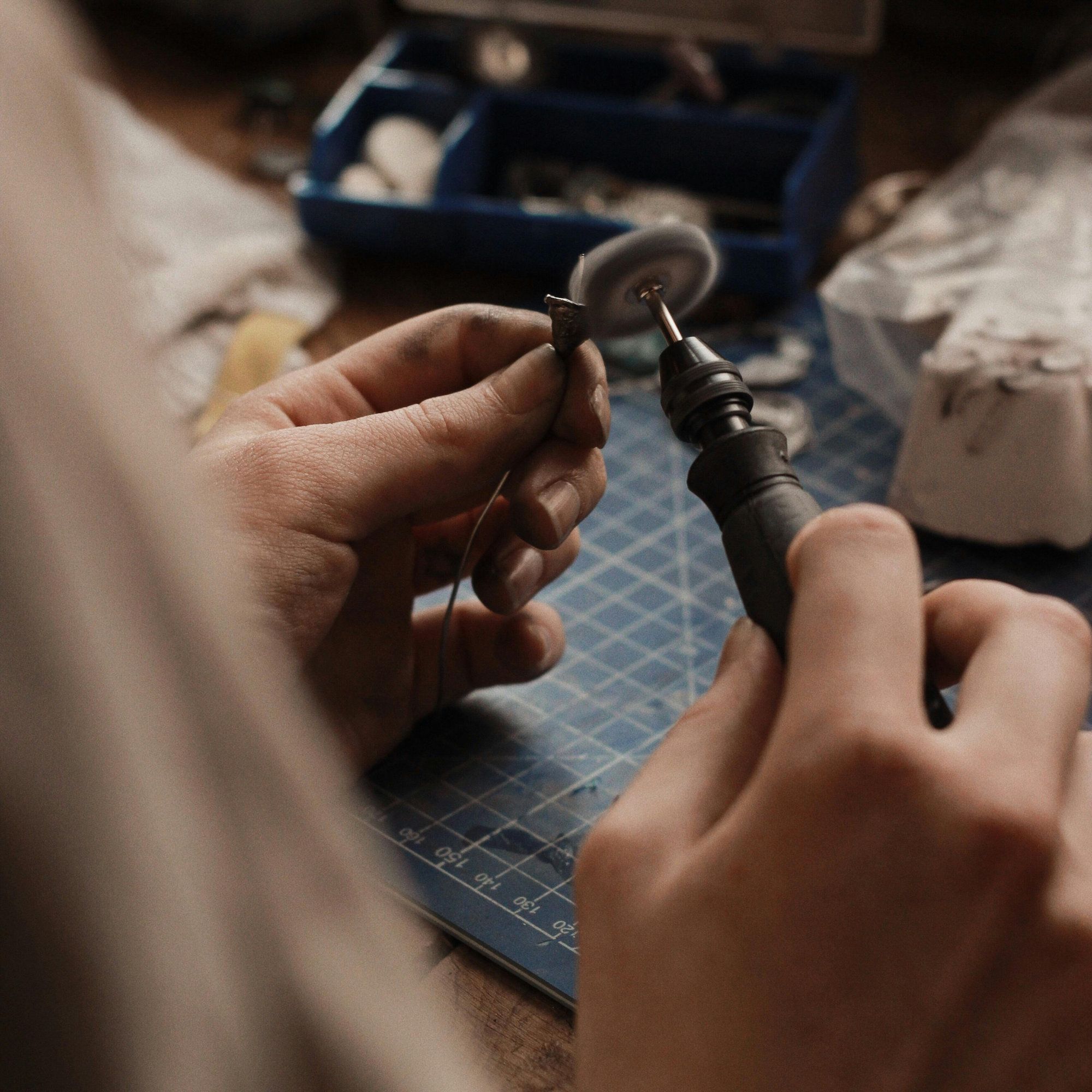
Setting Up Your Workspace
You don’t need a dedicated room, but you do need a setup that protects your home from damage (burnt tables are a possibility) and your health (work at the wrong height and your back will feel it).
The Bench Pin: If you only buy one thing before you start, make it a wooden bench pin. These can clamp to any table, and provide the necessary support for sawing and filing.
A "Sweeps" Tray: Jewellery involves precious metals. Even a tray or a cloth on your lap to catch silver dust (sweeps) will help you recoup materials that might otherwise go in the bin.
Lighting: Natural light is great if and when you have it, but a dedicated LED task lamp is an essential investment for seeing fine solder joins.
Ventilation: If you are soldering, you will need a window open and, depending on the size of your work, anything from a small fan all the way up to serious ventilation kit to pull fumes away from your face.
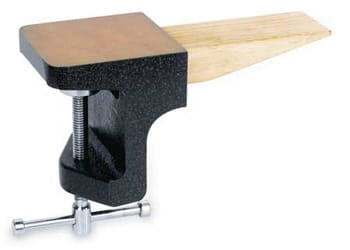
Bench Peg And Block - TB179
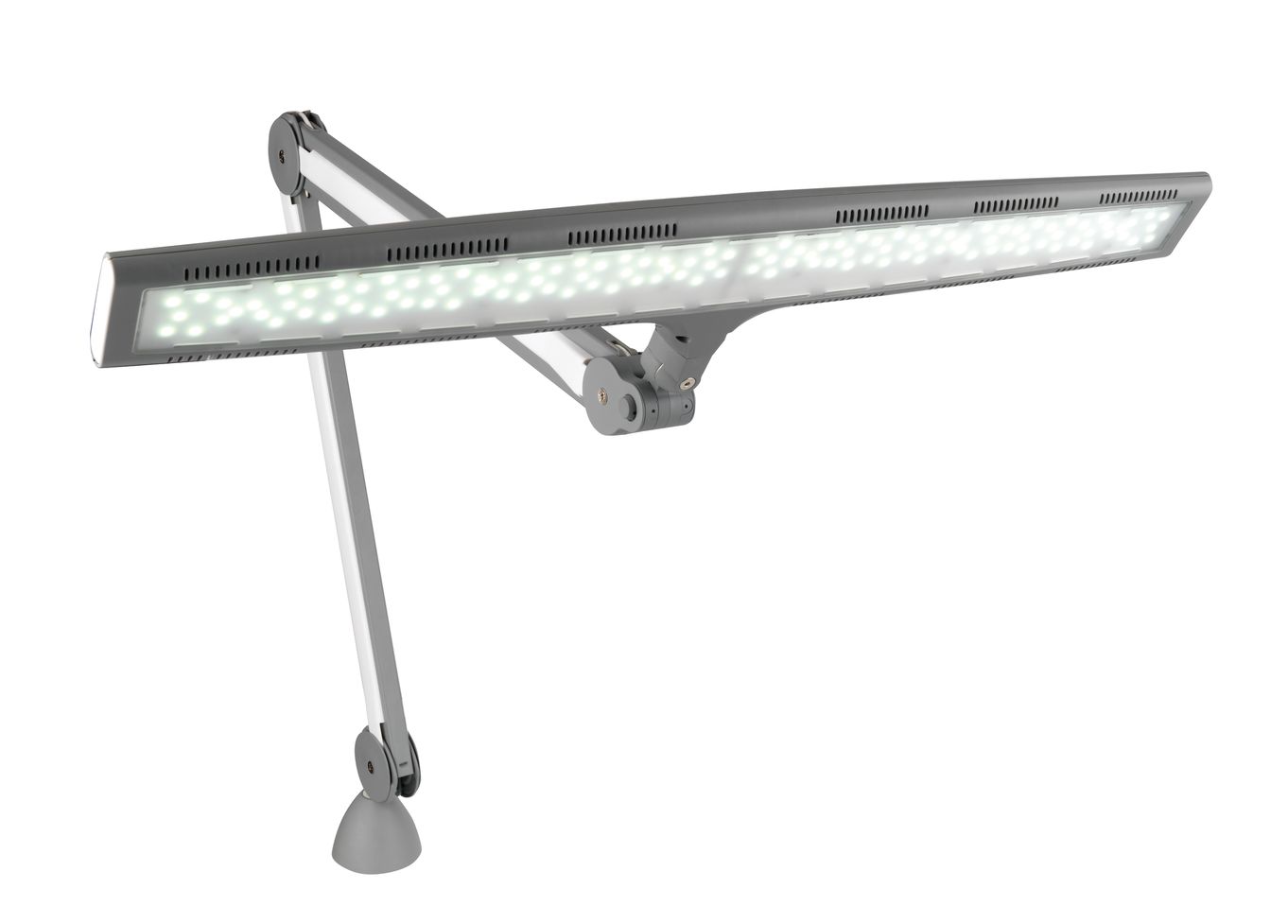
Daylight D35600 - TL254
The Essential Beginner Toolkit
Kits that come for a bargain price often contain low-quality steel that marks your silver. Instead, we recommend that you expand your kit with these staples:
A jeweller's saw
The jewellery world equivalent of a scalpel, this is going to be invaluable to your work.
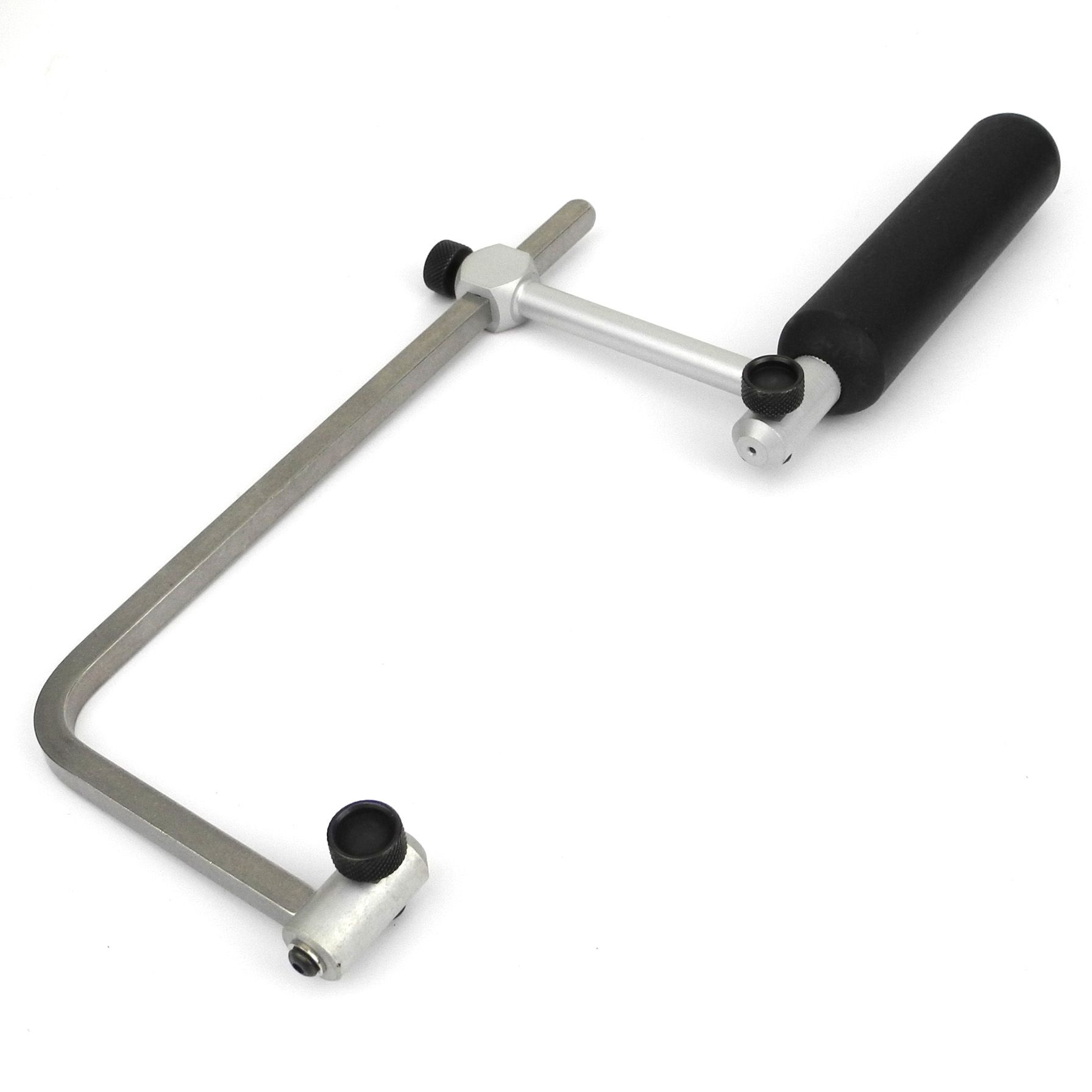
Saw blades
You'll need 4/0 blades to use with your new saw.
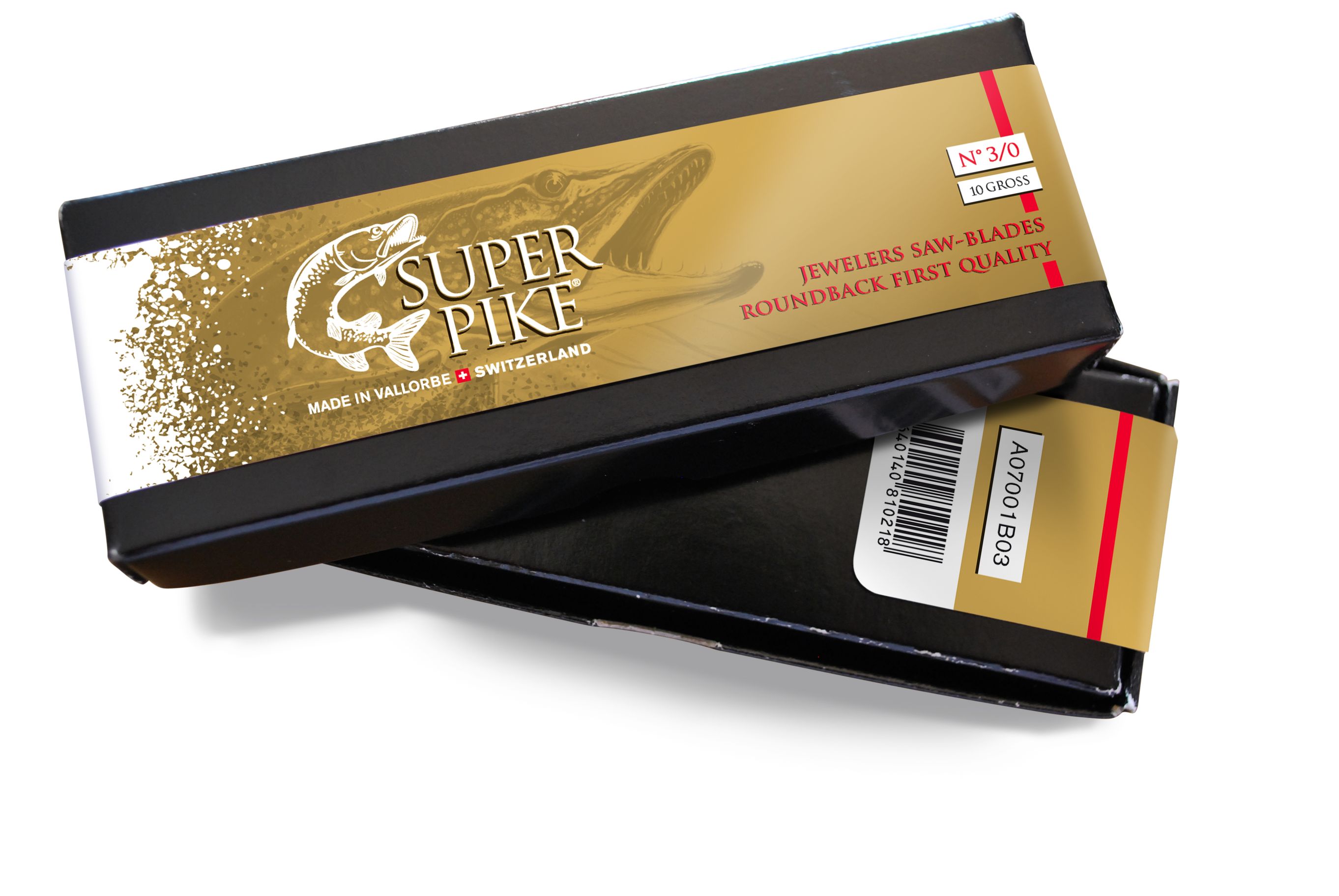
Saw-Blades Super Pike No.4/0 - TB15040
Needle Files
Specifically a "Cut 2" medium grade. Essential for smoothing edges after sawing.
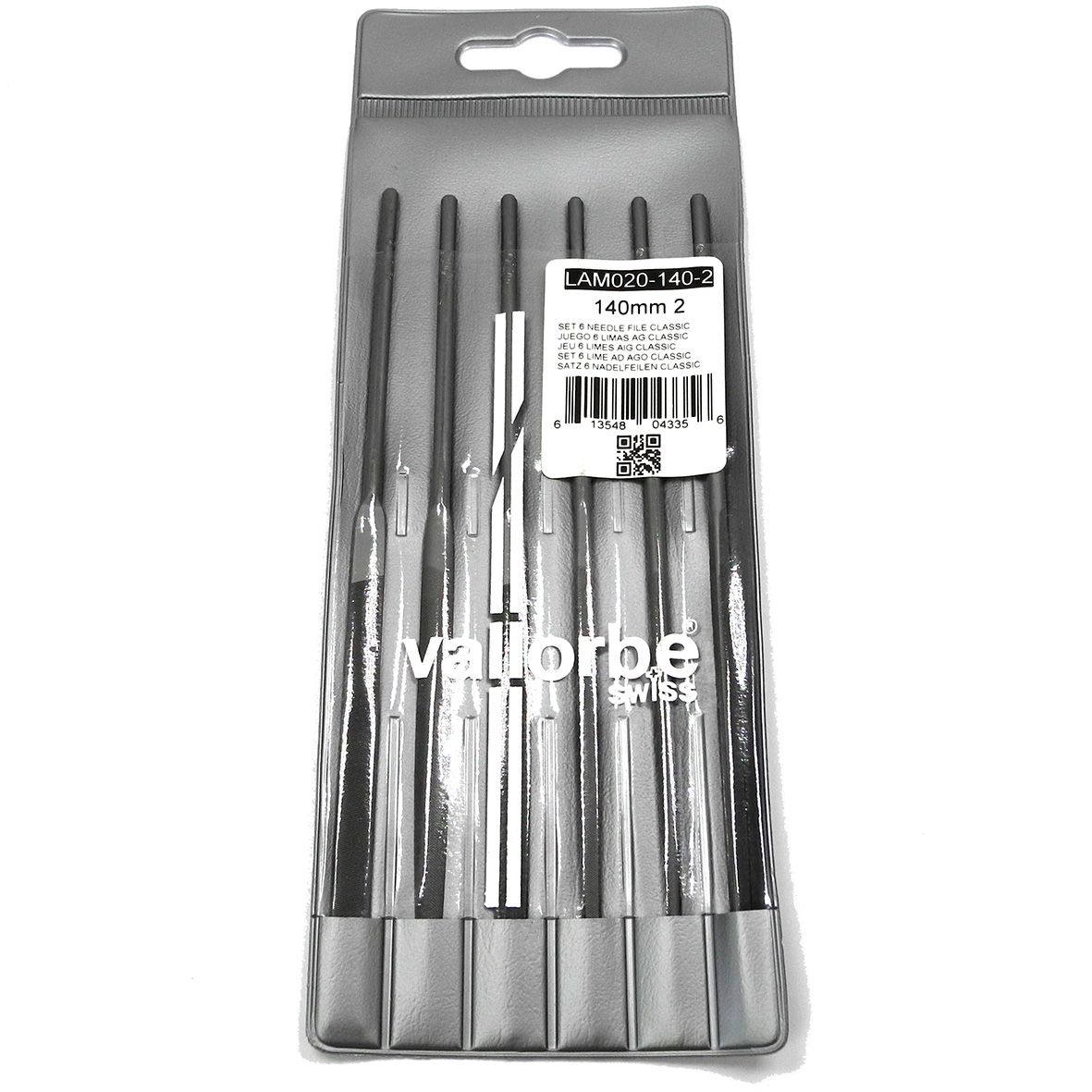
Starter Set Of Economy Swiss Needle Files 14cm - TF1915
Pliers Trio
Round nose (for loops), chain nose (for gripping), and high-quality side cutters.
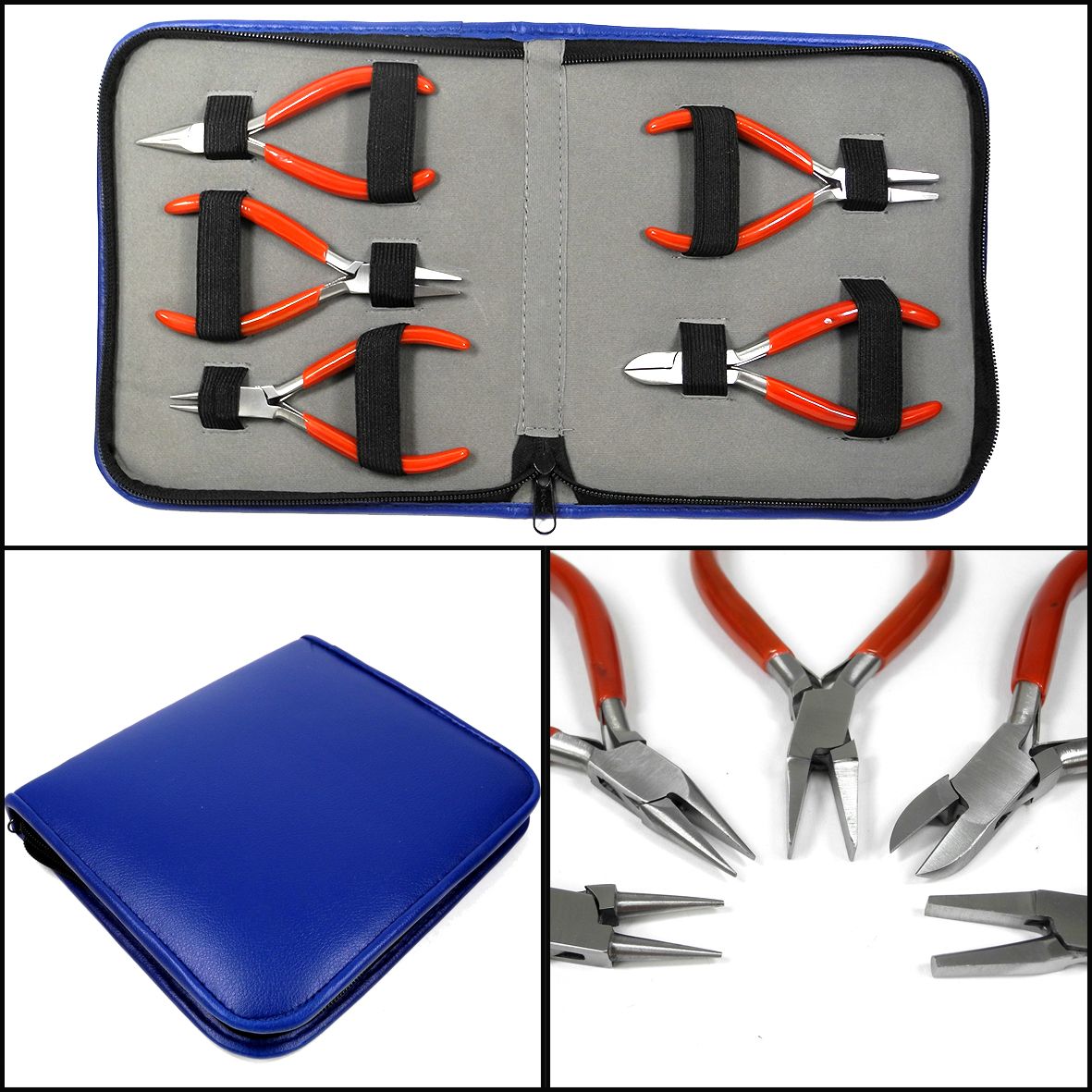
5 Piece Jewellers Plier Set - TQP1
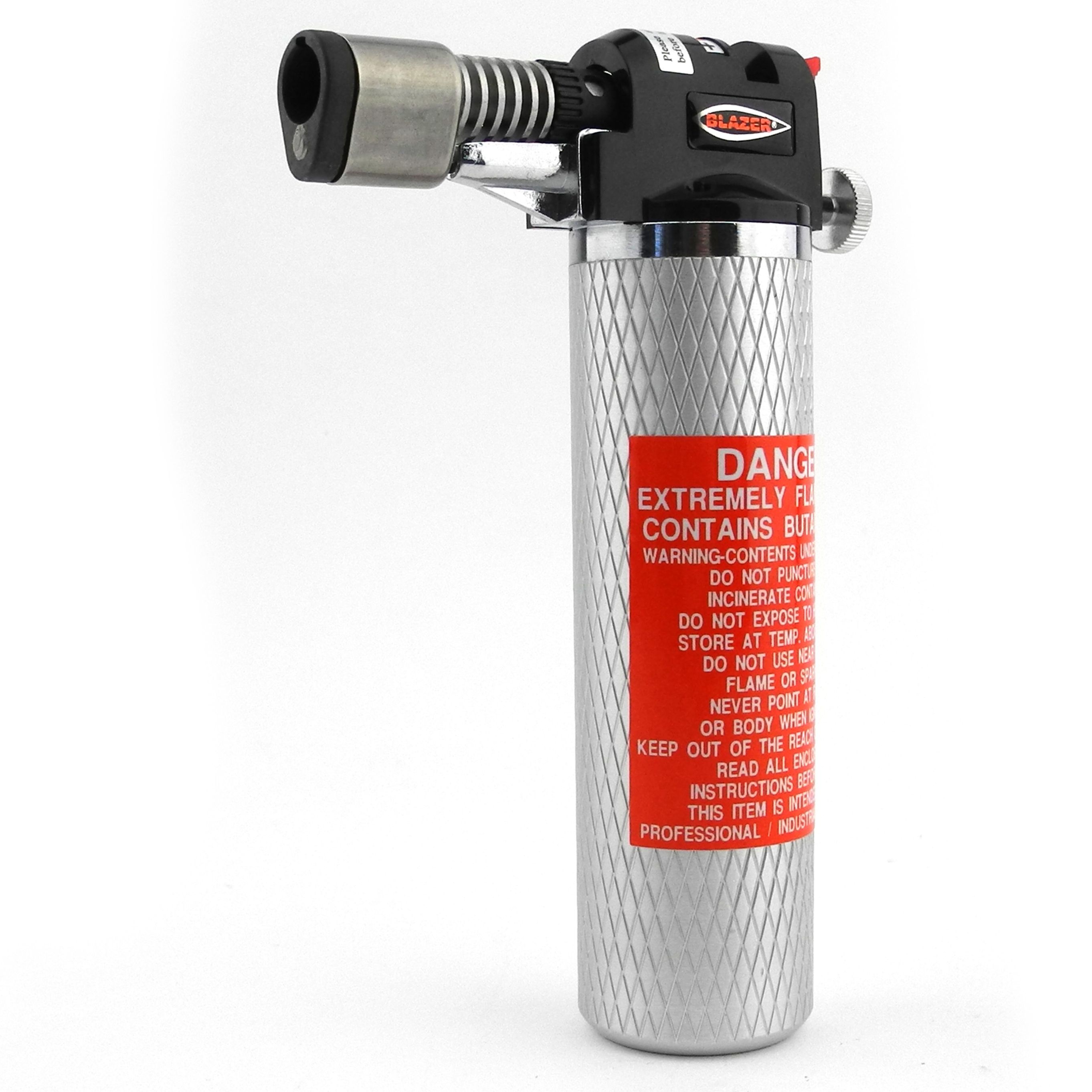
Blazer Stingray Soldering Torch - TT387
The Soldering Station
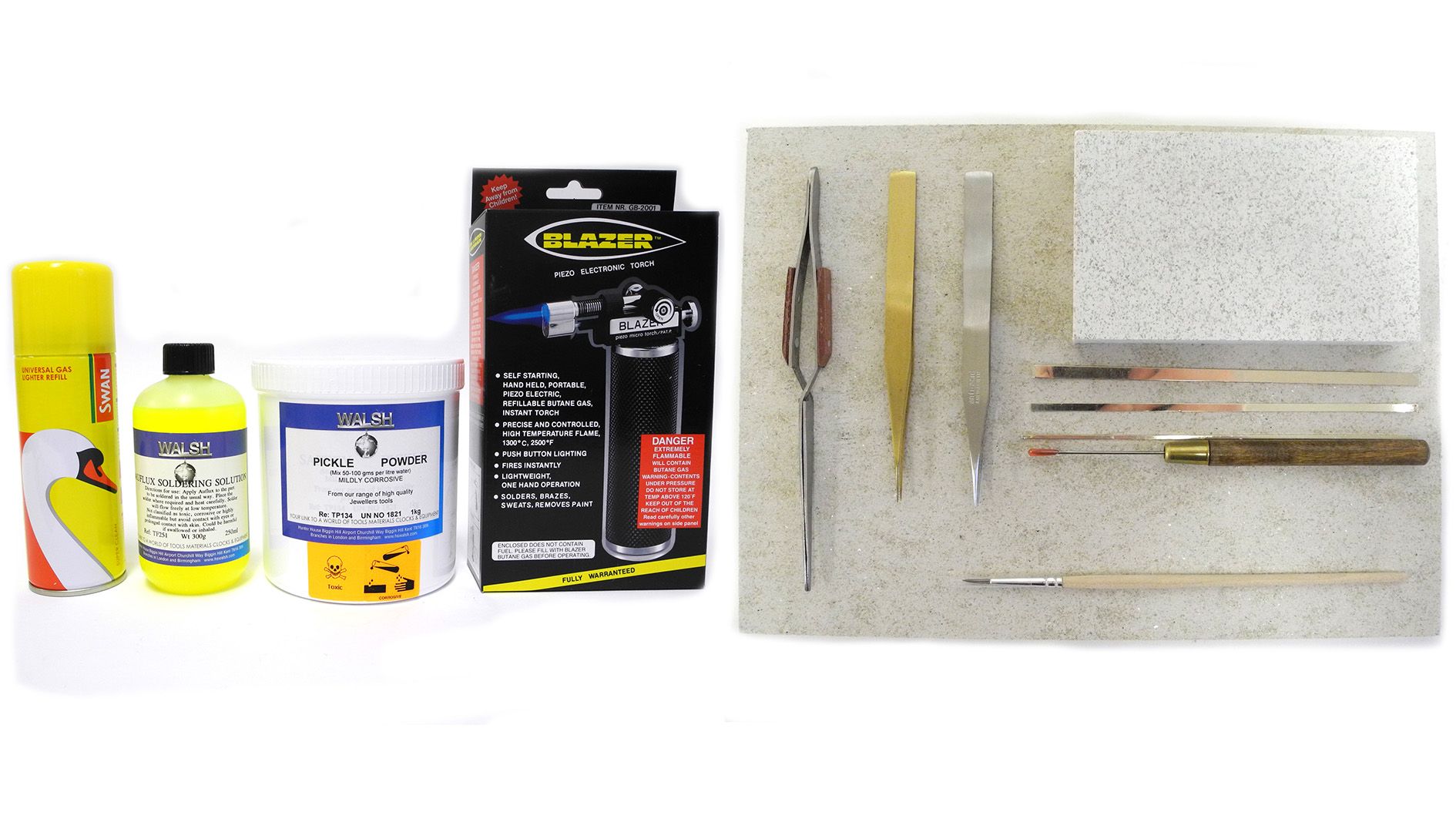
Soldering sounds intimidating, as most things that involve using heat and flame do, but it’s the secret to producing professional work. To weld safely at home, you need:
Handheld Butane Torch: Simple, refillable, less intimidating than a gas tank-fed torch, and it's easier to store.
Charcoal or Honeycomb Block: This will reflect heat back into your piece, making it quicker to reach the right temperature and then maintain it.
Pickle Solution: A mild acid (sometimes called safety pickle) to clean the fire scale off the metal after heating.
Materials: Where to Start
Don't jump straight into gold. It's expensive, which makes it more stressful to mess up, so practice on more cost-effective metals before taking the leap.
Copper & Brass: Excellent, inexpensive metals for practicing your sawing and soldering. Brass emits fumes when heated so copper is definitely your first choice.
Sterling Silver Wire & Sheet: Start with 0.8mm or 1mm sheet - it’s thick enough to be sturdy but easy to saw.
Silver Solder: Buy three grades: Hard, Medium, and Easy. They melt at different temperatures, allowing you to do multiple solder joins on one piece without melting the first one.
Our Jewellery Soldering Starter Kit contains everything you need to get started with solder.
The Four Techniques to Master
Before attempting a complex project, spend a weekend mastering these techniques to ensure you're ready to start creating without wasting time or valuable materials.
The Perfect Saw Cut
Letting the saw do the work without snapping blades.
Square Filing
Ensuring two pieces of metal meet perfectly flush (essential for a good solder join).
Heat Control
Learning when the metal is "cherry red" and ready for solder to flow.
Finishing
Moving through sandpaper grits (from 400 to 1200) to remove scratches before the final polish.
Professional-Level Equipment to Buy Later
These are the items you’ll need to look at further down the line. They’re designed to produce a professional finish, so if you're looking to progress from making occasional pieces to batch producing enough of a design to sell, that's the time to think something to think about investing in them.
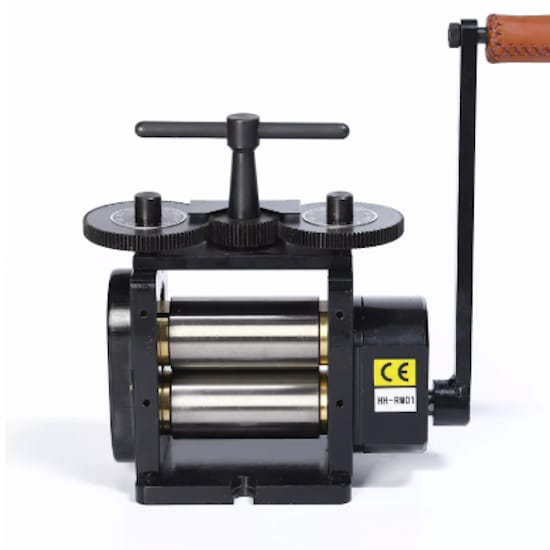
Rolling Mills: Used for thinning metal, so you'll need one of these to stop relying on pre-bought thicknesses.
Tumblers/Polishing Motors: Hand-polishing teaches you more about the metal’s surface when you’re first starting out. Once you have an understanding, look at mechanical solutions like this one.
Hydraulic Presses: Definitely not a bit of kit that you need as a beginner, but they can be fun to use, so look forward to that later.
For more information, you can read our guide to progressing through different levels of jewellery-making equipment complexity here.
Transitioning from Hobby to Business
You might start out intending just to make jewellery for yourself and then want to turn that into a career, or you could be set on turning it into a living from the first piece. Either way, these are the things you need to bear in mind:
- Hallmarking: In many regions (like the UK), items over a certain weight must be hallmarked by an Assay Office to be sold as "Sterling Silver."
- Consistency is King: A hobbyist makes one great ring; a professional can make ten identical rings. Focus on your measuring skills.
Your Beginner Shopping Checklist
| Category | Item | Why? |
| Cutting | Jeweller's Saw + 4/0 Blades | For all metal shaping. |
| Filing | Set of 6 Needle Files | To clean up edges. |
| Soldering | Butane Torch & Flux | To join pieces permanently. |
| Forming | Steel Bench Block & Rawhide Mallet | To flatten metal without marking it. |
| Safety | Safety Glasses | Vital when cutting wire or soldering. |