
Jewellery Making Tools Explained
Whether you’re starting your first jewellery project at the kitchen table or upgrading a growing workshop, understanding your tools is essential. The right jewellery making tools not only improve results - they make the process safer, more efficient and more enjoyable.
This guide explains the core tools used in jewellery making, what they do, and how to choose the right equipment for your skill level. From beginner essentials through to workshop-grade machinery, consider this your practical roadmap to building a capable bench setup.
This article is part of our guide to jewellery making, where you can find information on tools and techniques.
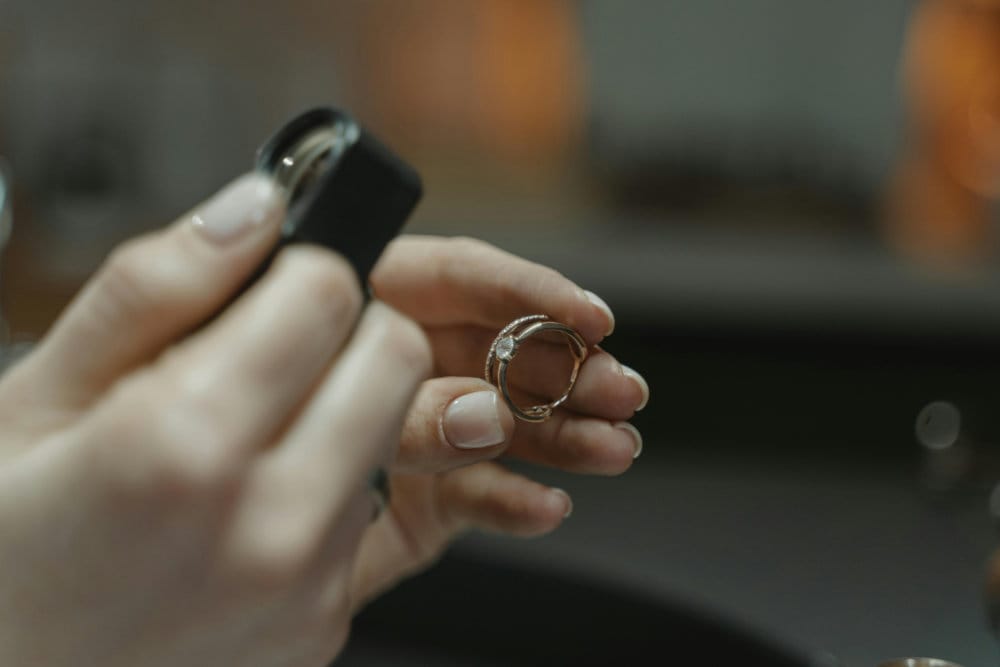
Essential Hand Tools for Jewellery Making
Every jeweller - from hobbyist to professional - relies on a core set of hand tools. These cover the basics you need for fabrication, forming and finishing work.
Pliers and Cutters
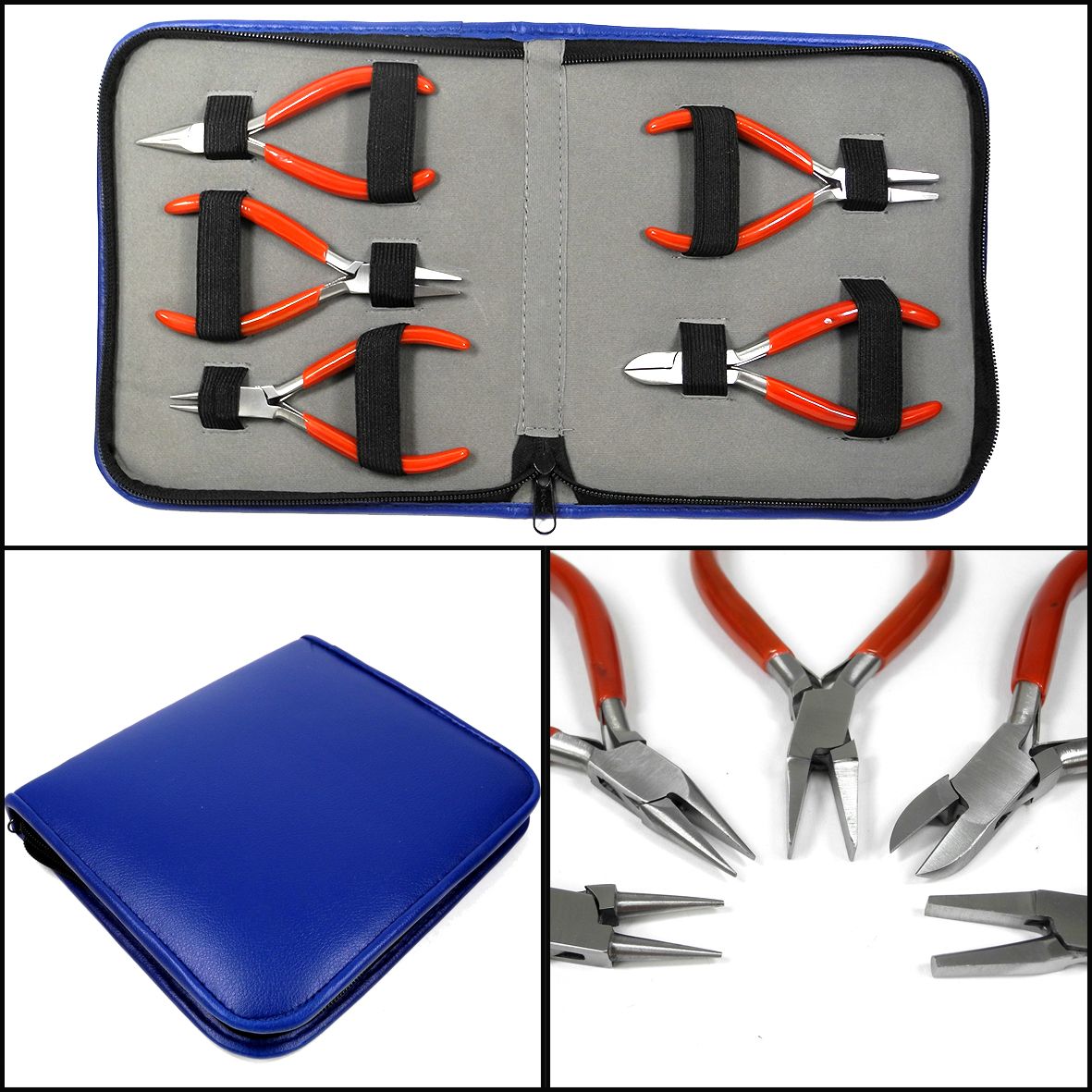
The most fundamental tools for jewellery making include:
- Round nose pliers – used for forming loops and curves
- Flat nose pliers – essential for holding and bending metal
- Chain nose pliers – when you need precision gripping
- Side cutters - cutting wire and small components
For beginners, a basic plier set is sufficient. As your skills improve, upgrading to higher-grade precision pliers will give better control and cleaner results.
Buy our jewellery-making pliers starter set here.
Jeweller’s Saw and Blades
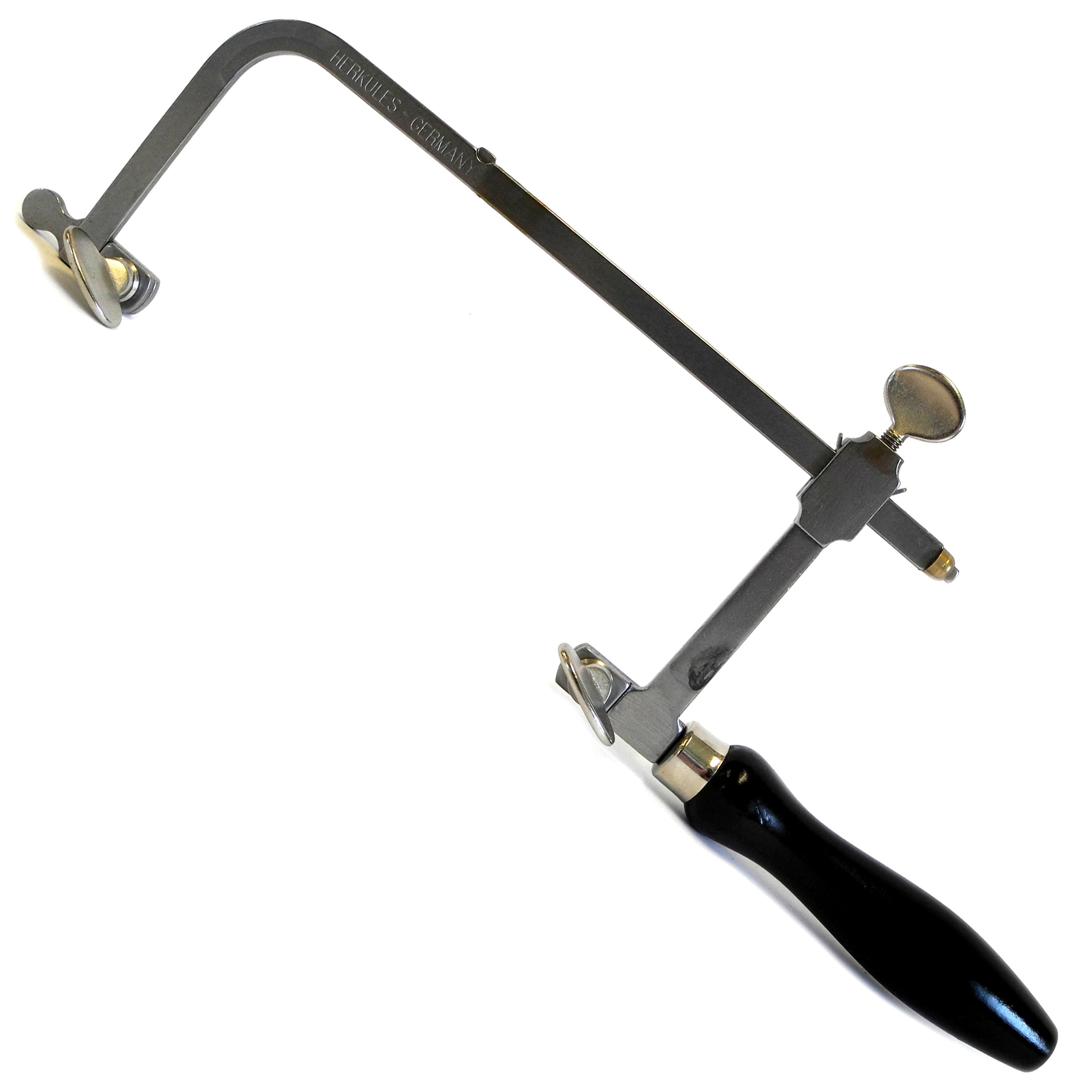
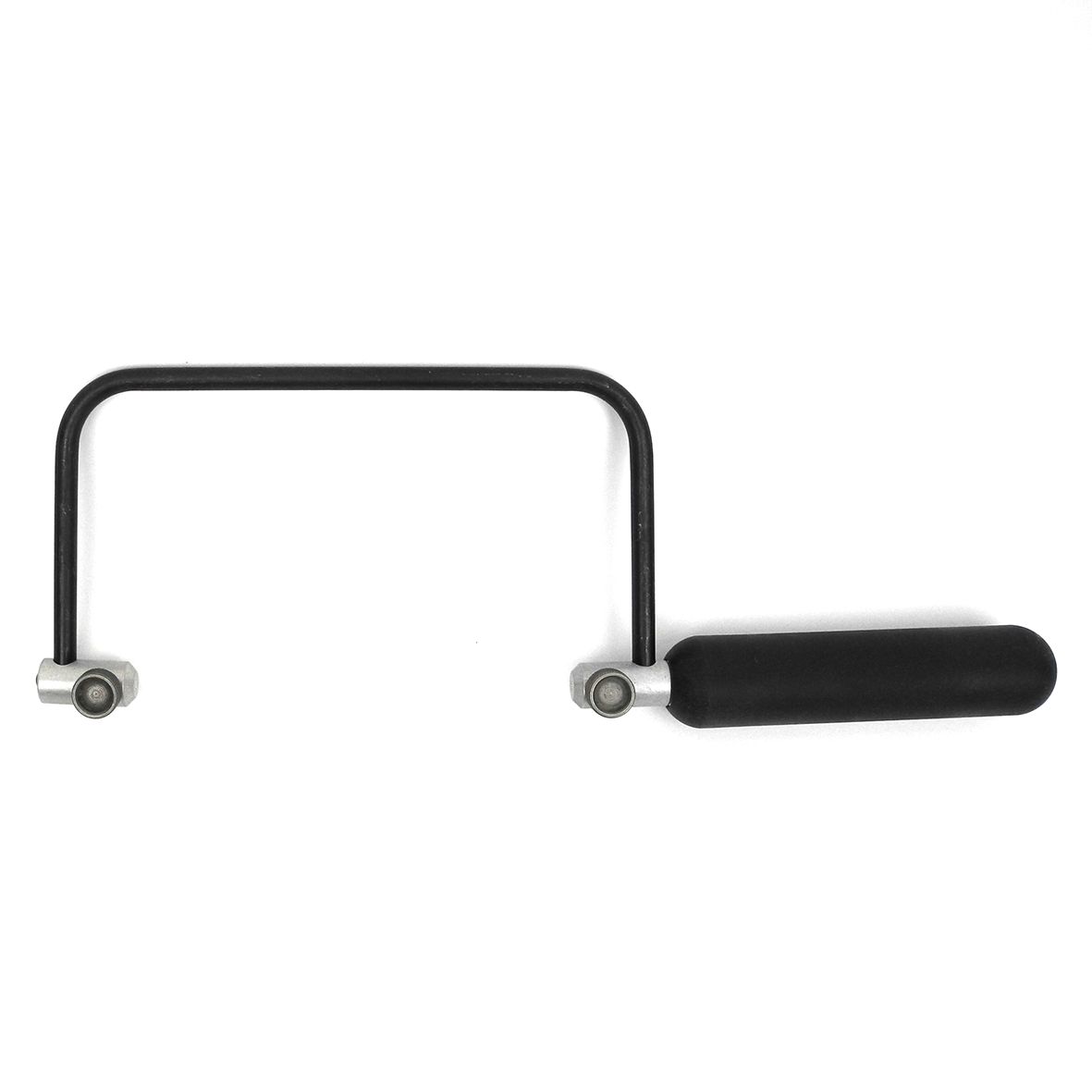
A jeweller’s saw frame with quality blades allows you to cut intricate shapes from sheet metal. It’s important to get the blade size right - thinner blades for delicate work, thicker blades for heavier stock.
If you plan to make jewellery from scratch rather than assemble pre-made parts, this has to be part of your equipment.
Files
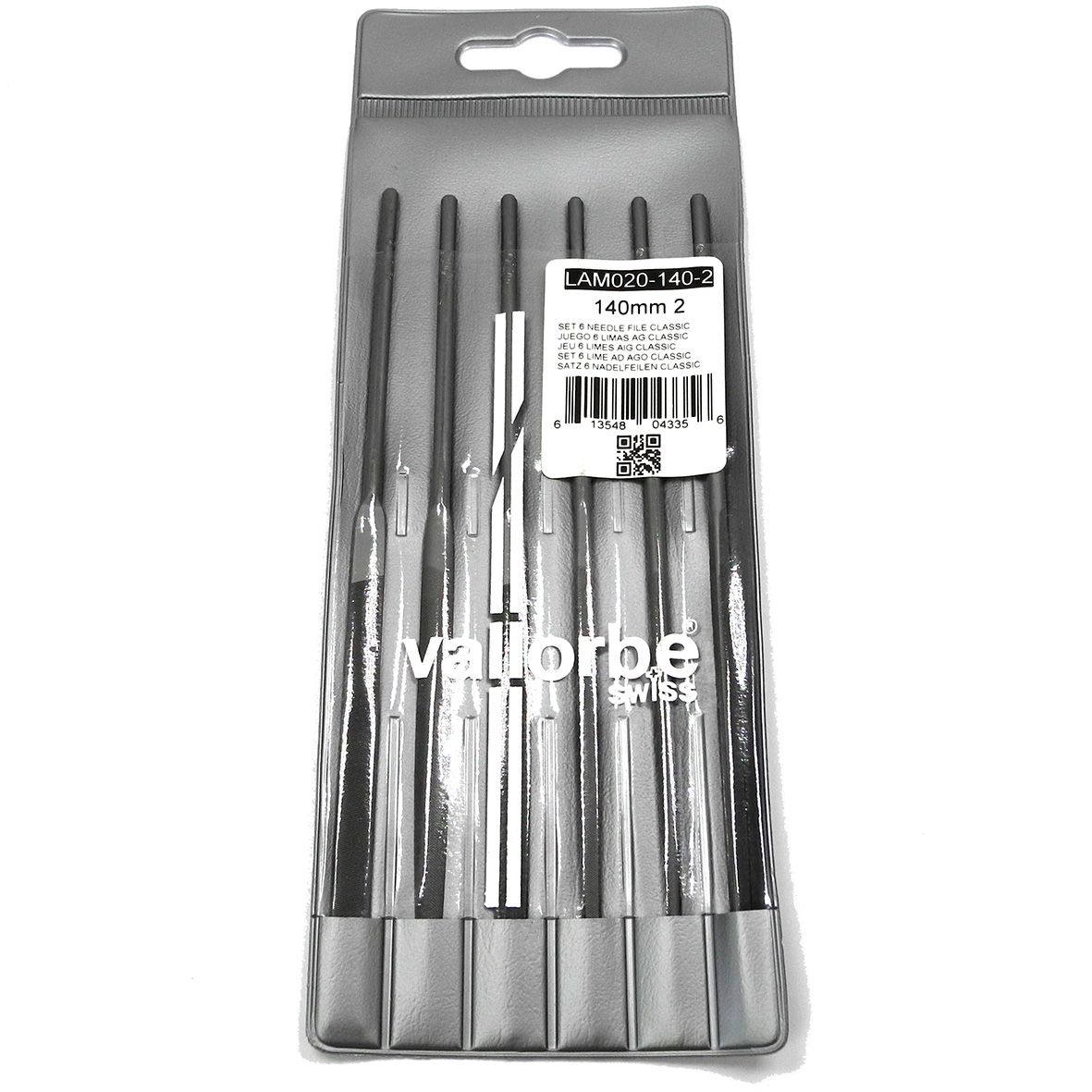
Files refine edges and shape metal after cutting, helping to provide a smoother, neater finish. A starter set typically includes:
- Flat file
- Half-round file
- Needle file set
More experienced makers may want to invest in higher-cut precision files for cleaner finishing, but our starter set of Swiss needle files will give you everything you need to get started.
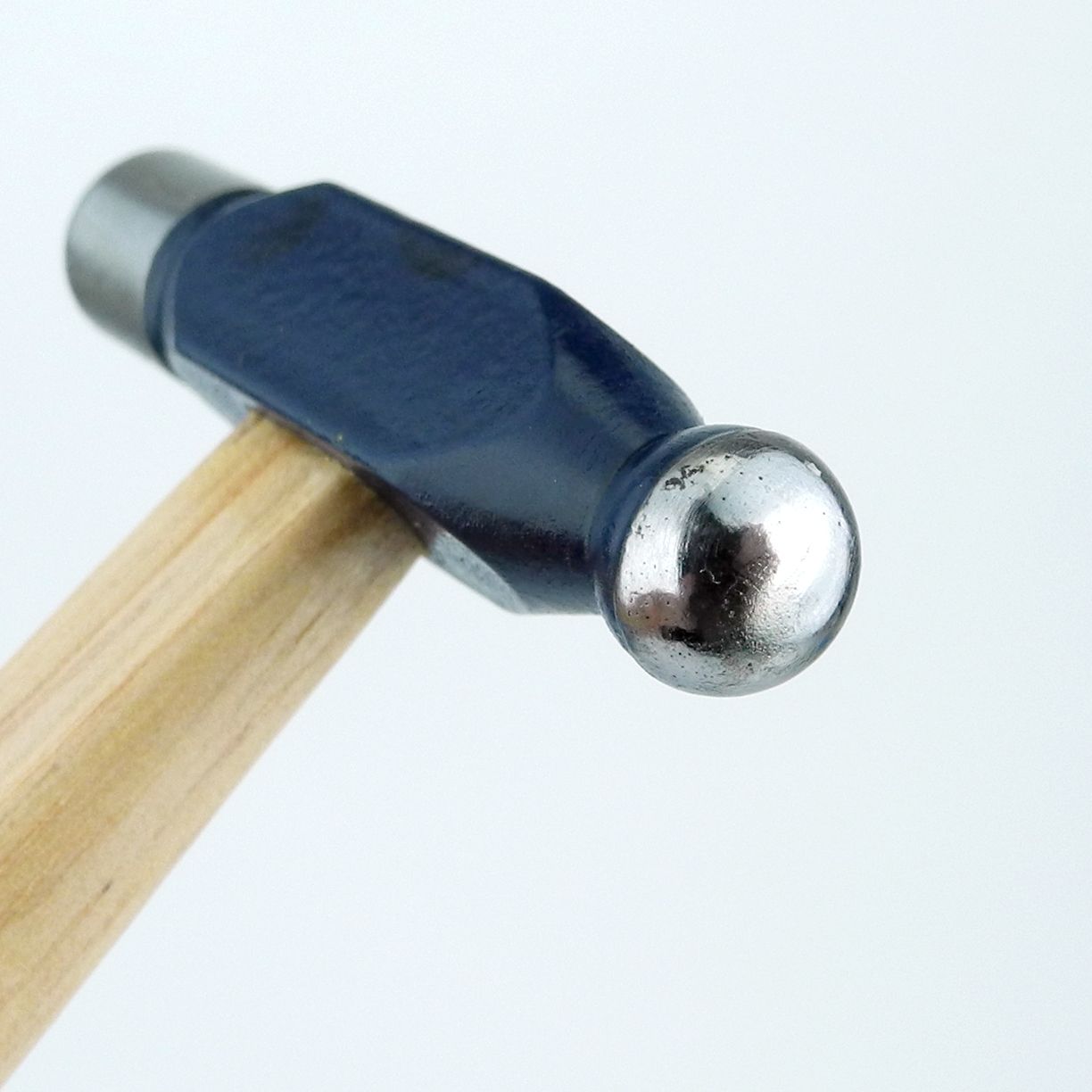
Hammers and Forming Tools
Jewellery hammers are the same principal as the DIY tools, but are designed for delicate work. Common types include:
- Ball pein hammer – used for shaping and riveting
- Planishing hammer – works to smooth surfaces
- Rawhide or nylon mallet – lets you shape without marking
Mandrels (ring mandrels, bracelet mandrels) and bench blocks support in the forming and sizing of your work, and are worth investing in at the same time as your hammers so you have a secure base on which to work.
Jewellery Soldering Tools and Equipment
Soldering is the process which transforms basic shaping into full fabrication. It allows you to join components permanently and create more advanced designs.
Welding Torches
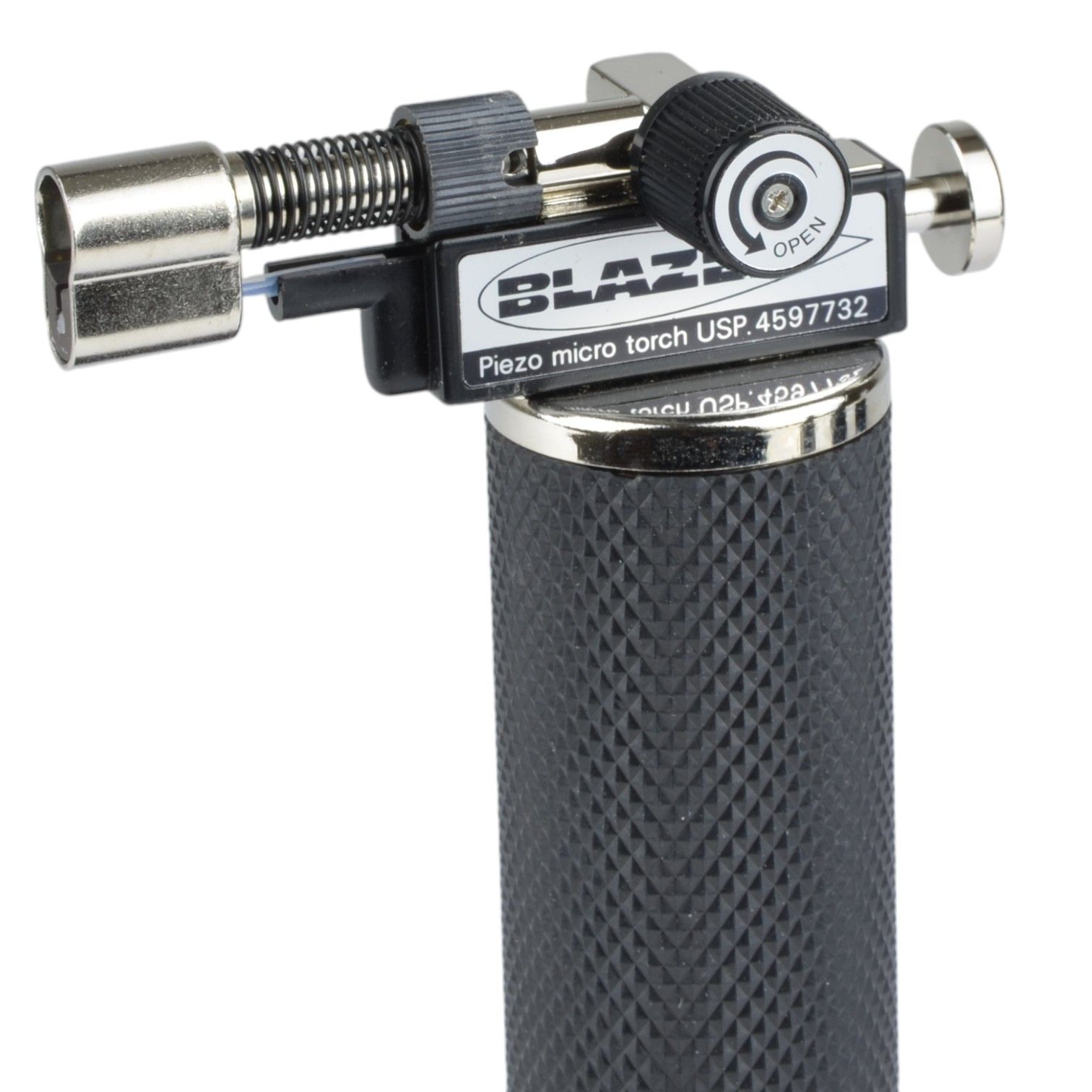
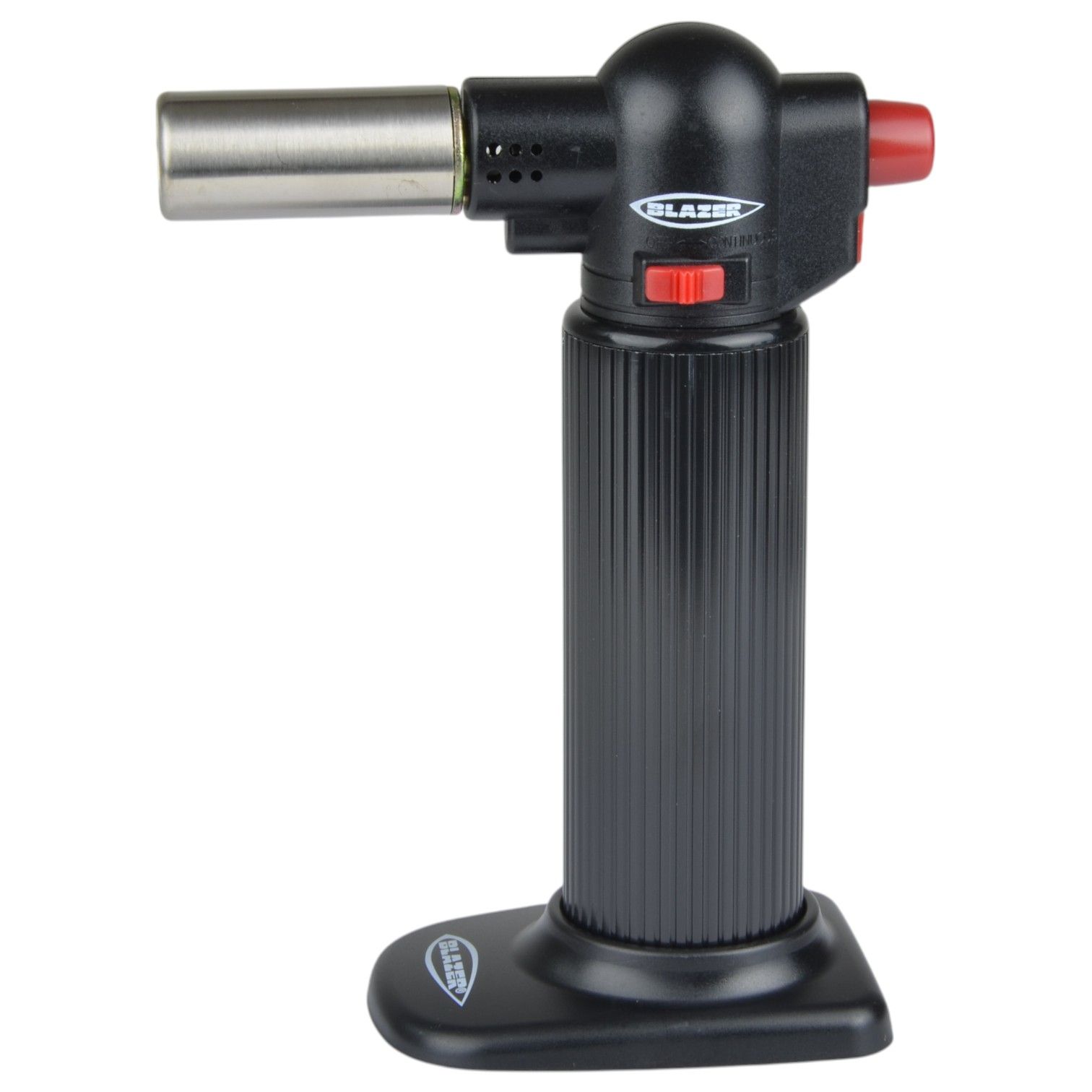
For beginners, a small handheld butane torch is going to be enough to get you started.
As work gets more complicated, you'll want to look at micro torches or oxygen/propane systems that provide greater heat control.
Choosing the right torch depends on three things:
- The type of metal you’re working with
- How thick it is
- How much wear the jewellery is likely to go through
Get those right and you can make sure you've got the torch that you need.
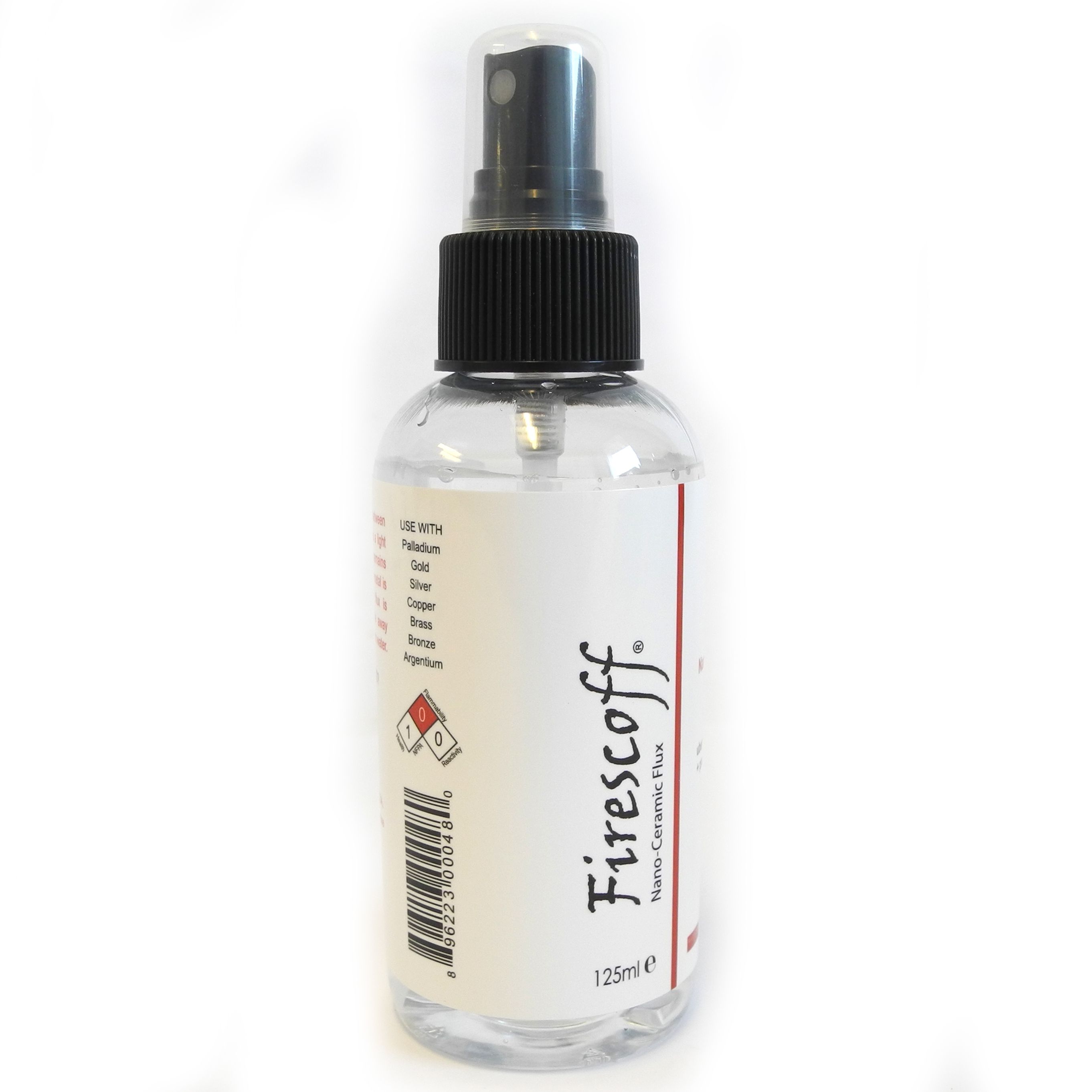
Solder and Flux
Jewellery solder is available in hard, medium and easy grades. A substance called Flux prevents oxidation during heating and ensures clean joins.
Understanding solder flow and heat control is one of the biggest skill upgrades in jewellery-making, and marks a real step towards becoming a professional.
Soldering essentials
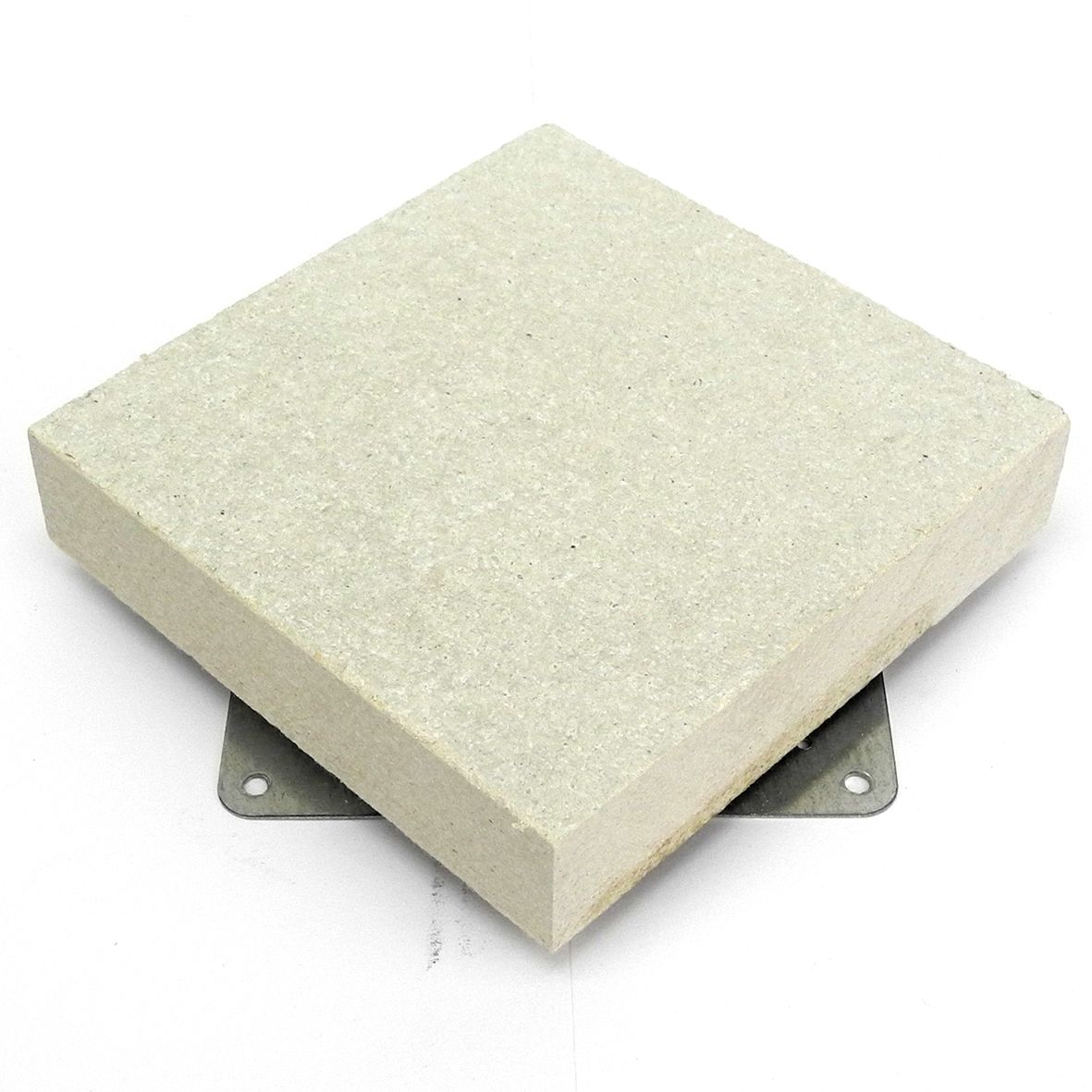
Soldering block - a heat-proof working surface
This is our Vermiculux (Micalite) Long Lasting Soldering Block, which is asbestos free, and comes with a revolving stand.
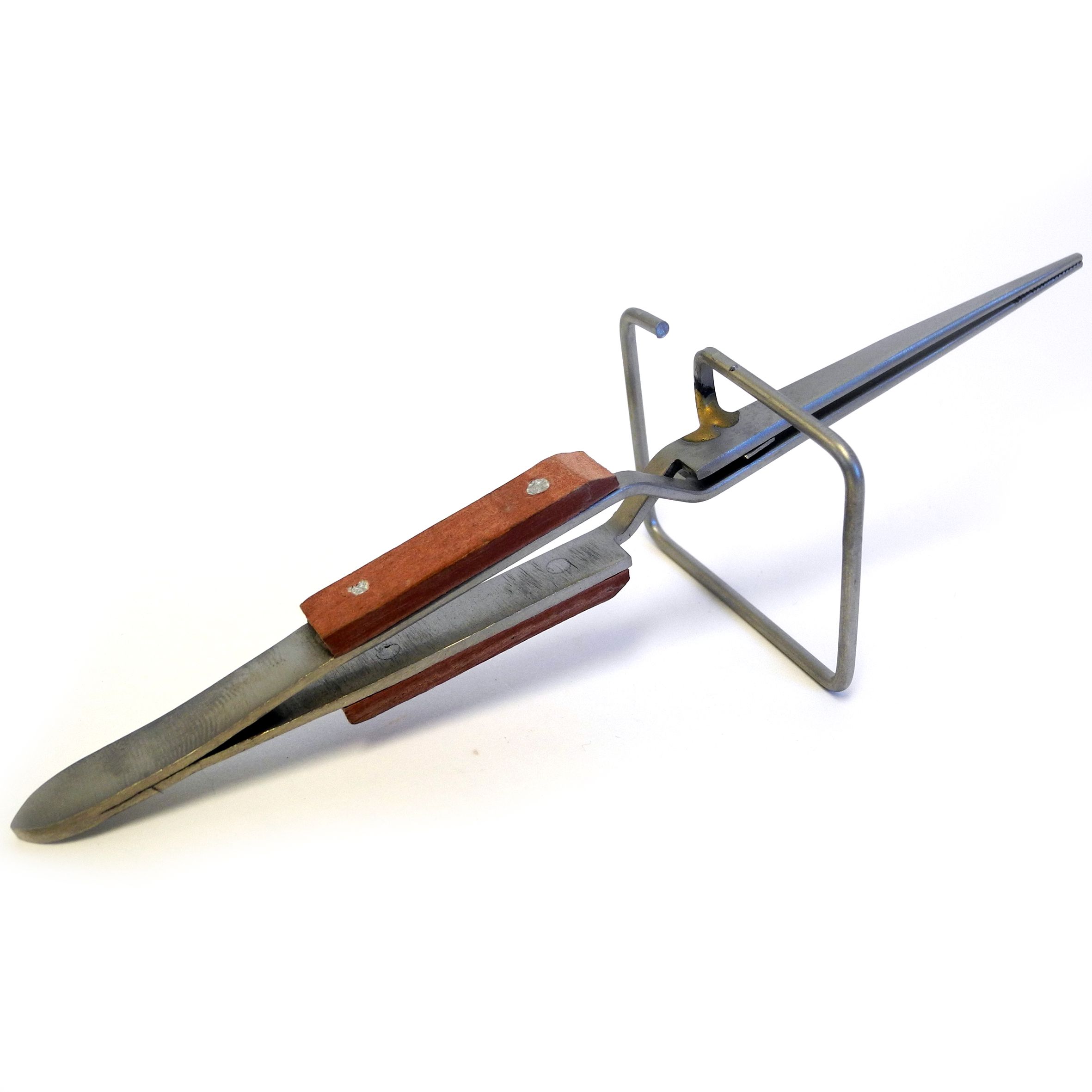
Reverse-action tweezers – self-closing tweezers for a safe grip
Our reverse action straight soldering tweezers come with a built-in stand that makes them ideal for soldering work.
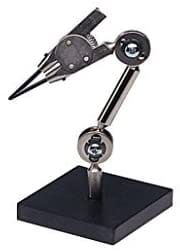
Third hand clamps - holds your work in place without you needing to touch it
We'd suggest a GRS third hand for this job. It comes with a weighted base, or can attach to a GRS workbench system.
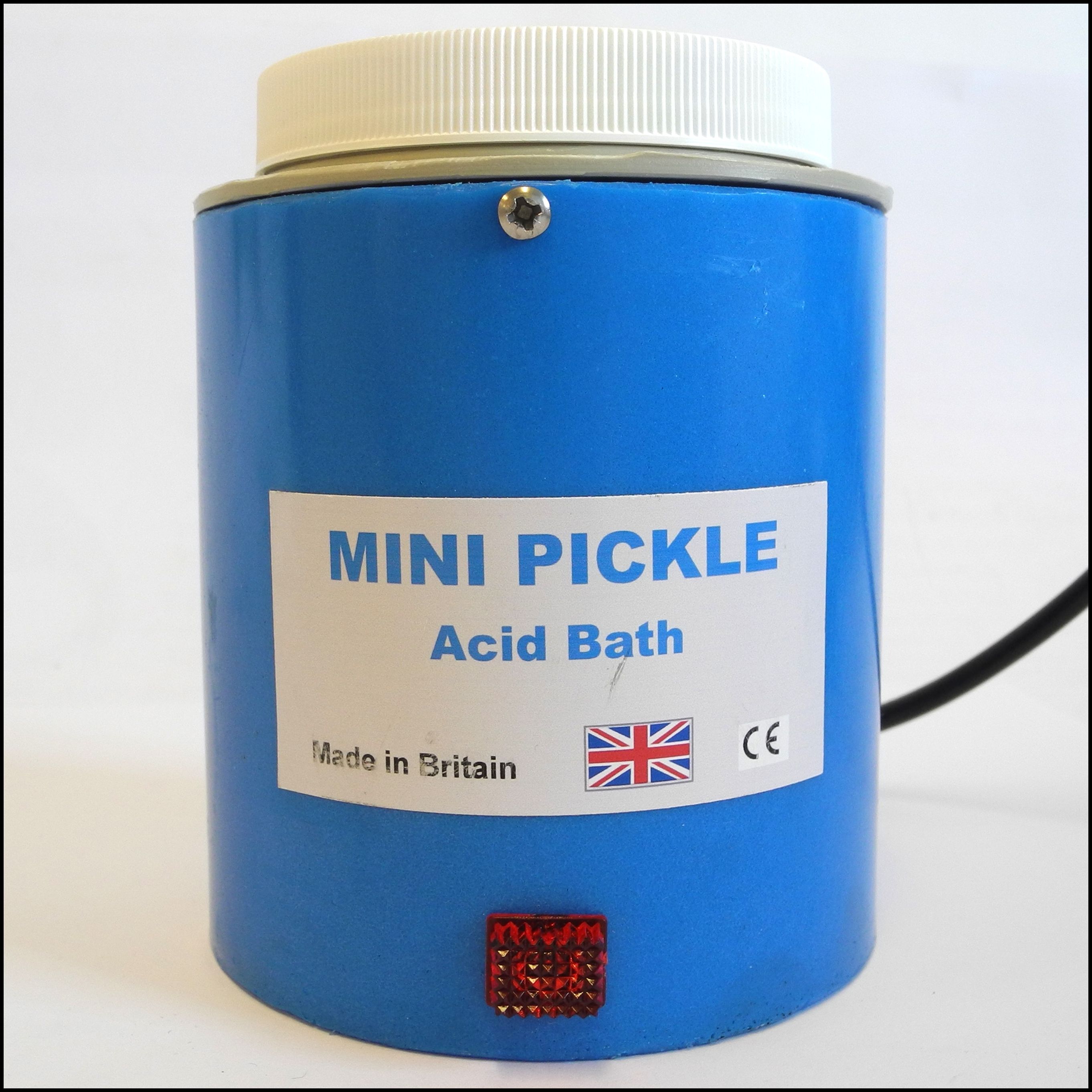
Pickle pot – a heated acid bath for cleaning metal post-soldering
A micro mini pickle tank will be enough to get started in professional finishes to your welding, although you may want to upgrade later.
These tools improve safety and efficiency by giving you a safe grip on your work, and a place to work that won’t be damaged by heat.
Jewellery Polishing and Finishing Equipment
Finishing separates amateur-looking work from professional-quality jewellery, and so is one of the most important parts to get right if you’re intending to sell your work.
Hand Polishing
For beginners:
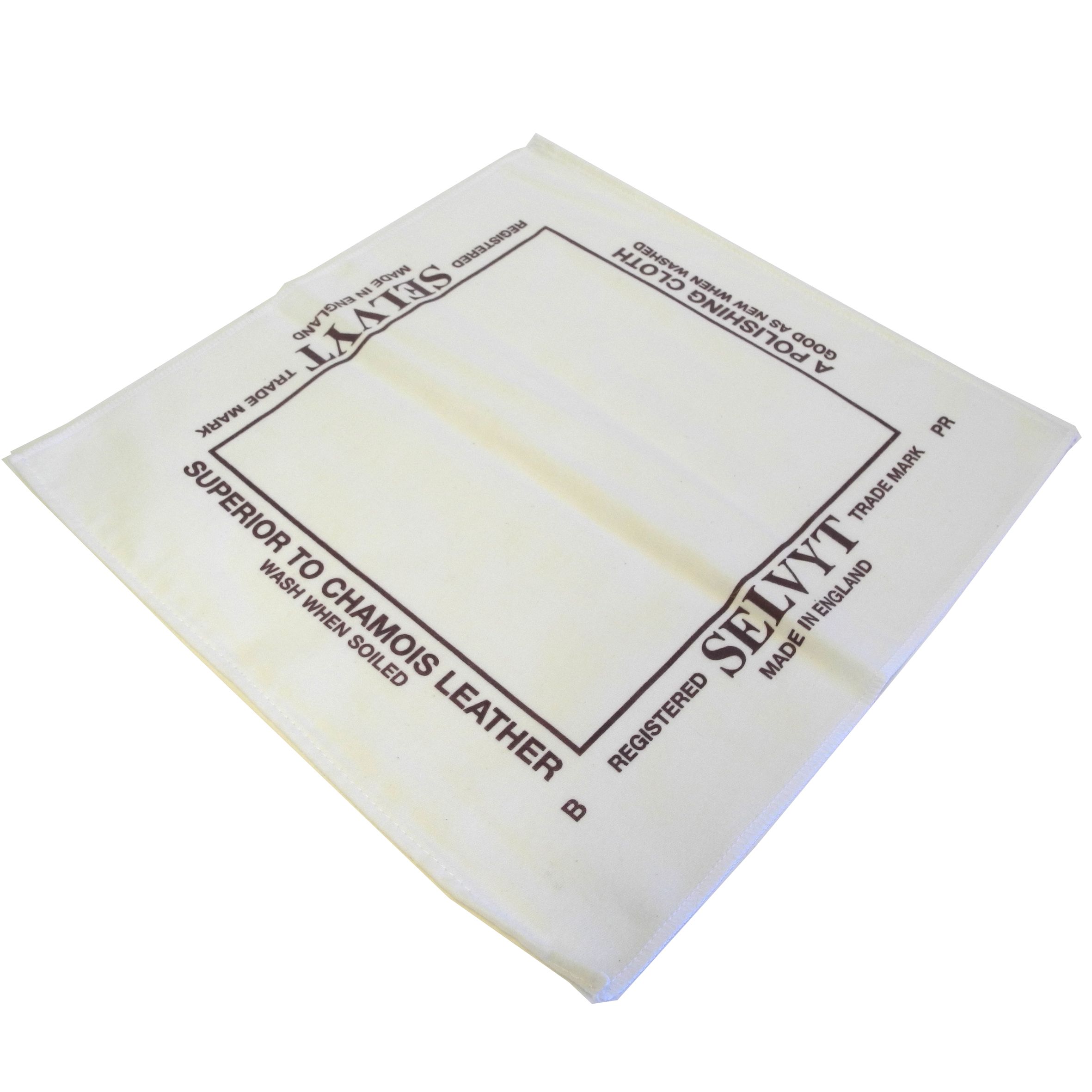
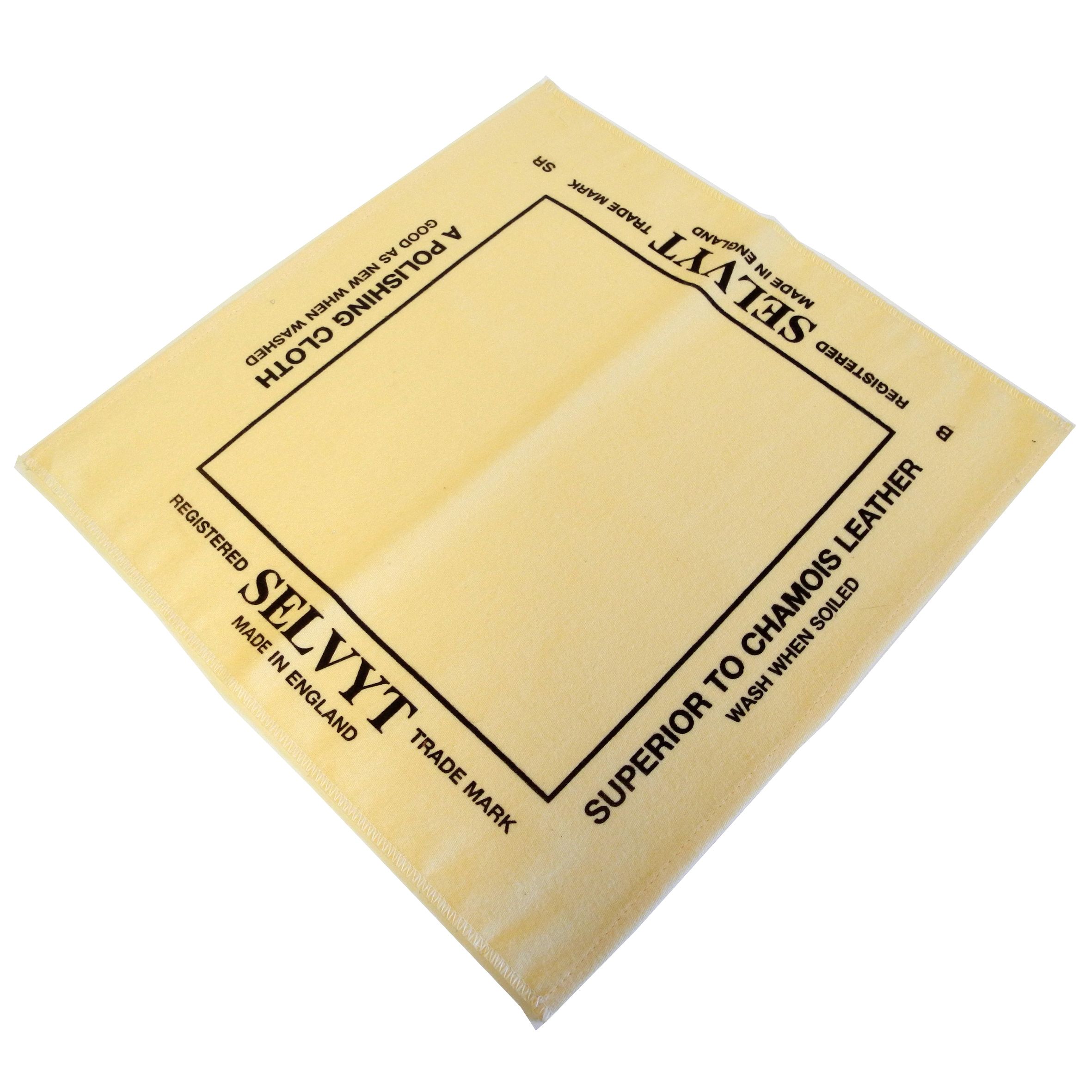
- Polishing cloths
- Rubber abrasive wheels – impregnated with grit for fine sanding
- Small polishing mops – for a satin finish
This is ideal when you’re only producing a few pieces at a time, but hand-polishing can be lengthy and intensive, so it’s not recommended if you’re intending to produce work at volume.
Machine Polishing
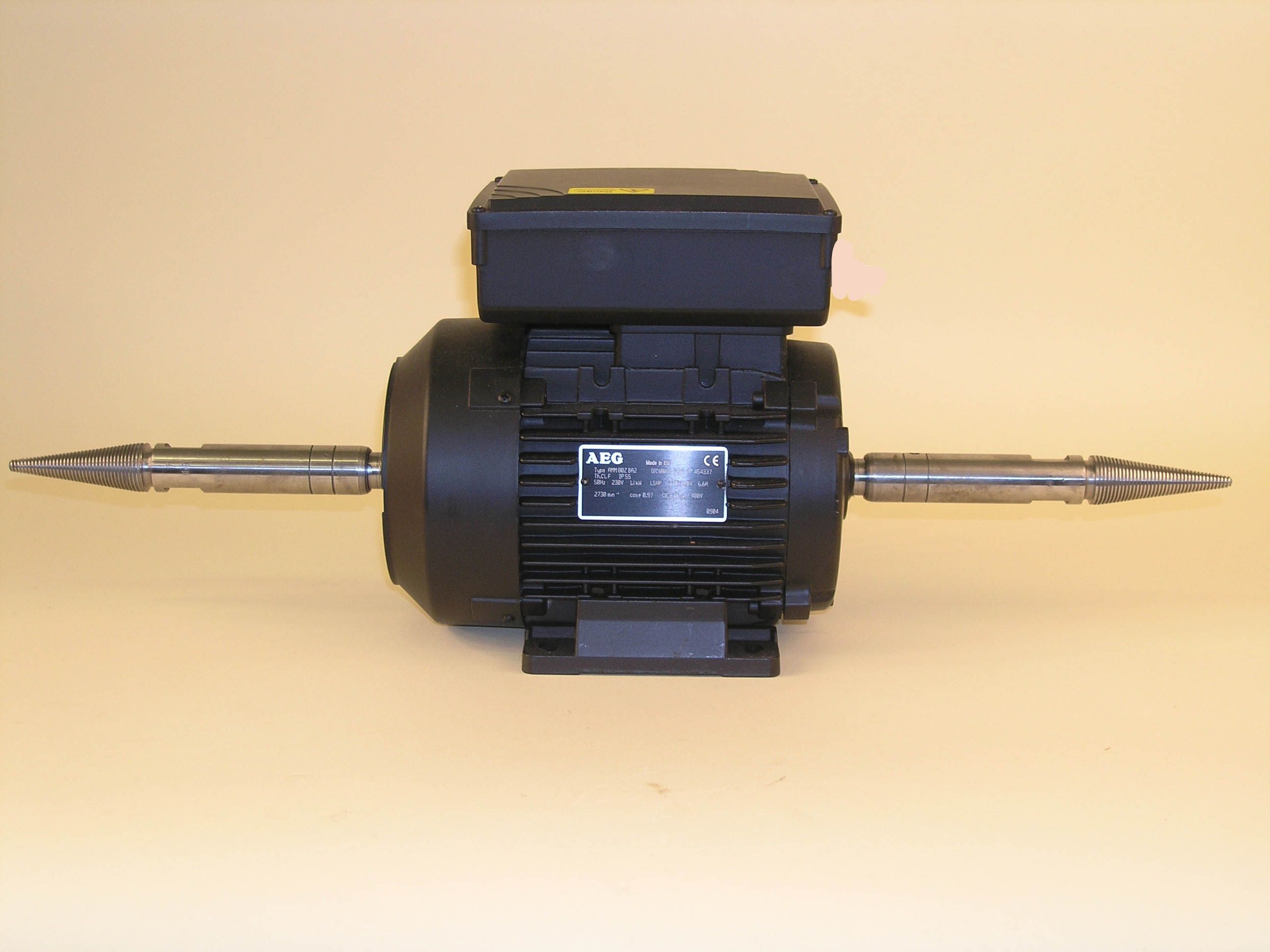
Once you start producing greater amounts of jewellery, switching to machine polishing is essential, because it will save you so much time. You’ll need to look at:
- Bench polishing motors – bench-mounted tool for controlled polishing of surfaces
- Magnetic polishers – tumbles metal for an all-over polish
- Pendant motors with polishing attachments – handheld tool for flexible polishing
These dramatically improve consistency and speed, and so enable you to turn around higher-quality work in a shorter period of time.
Upgrading polishing equipment can also exponentially increase the amount of dust that’s produced. Make sure you also invest in dust removal equipment, as a clean workshop is essential for health and safety in addition to keeping your work tidy.
Measuring and Marking Tools
Precision is central to jewellery making, with accurate measurements needed to avoid wasting time, effort and materials, especially when working to commission.
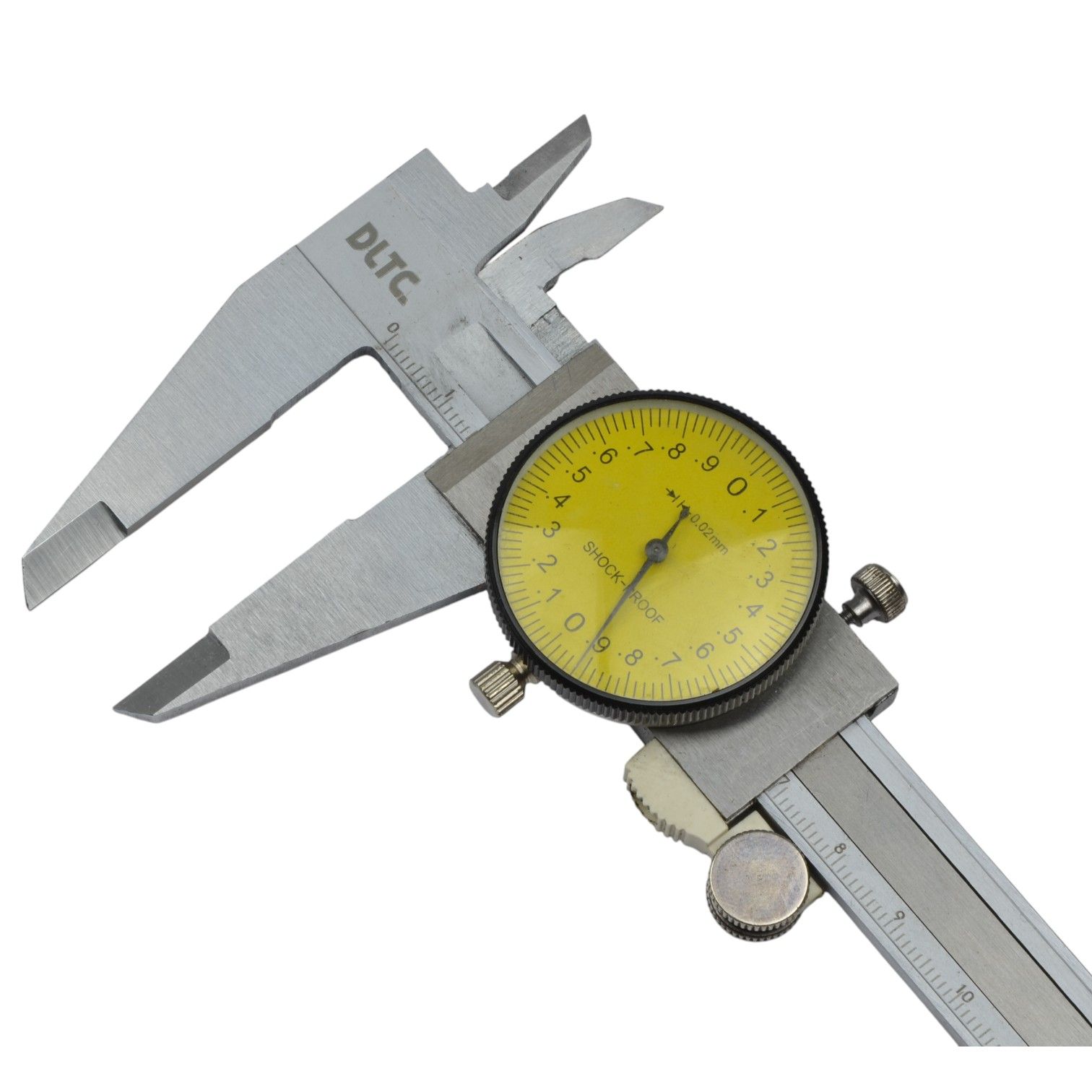
Essential measuring tools include:
- Steel ruler
- Vernier callipers
- Ring gauge and mandrel
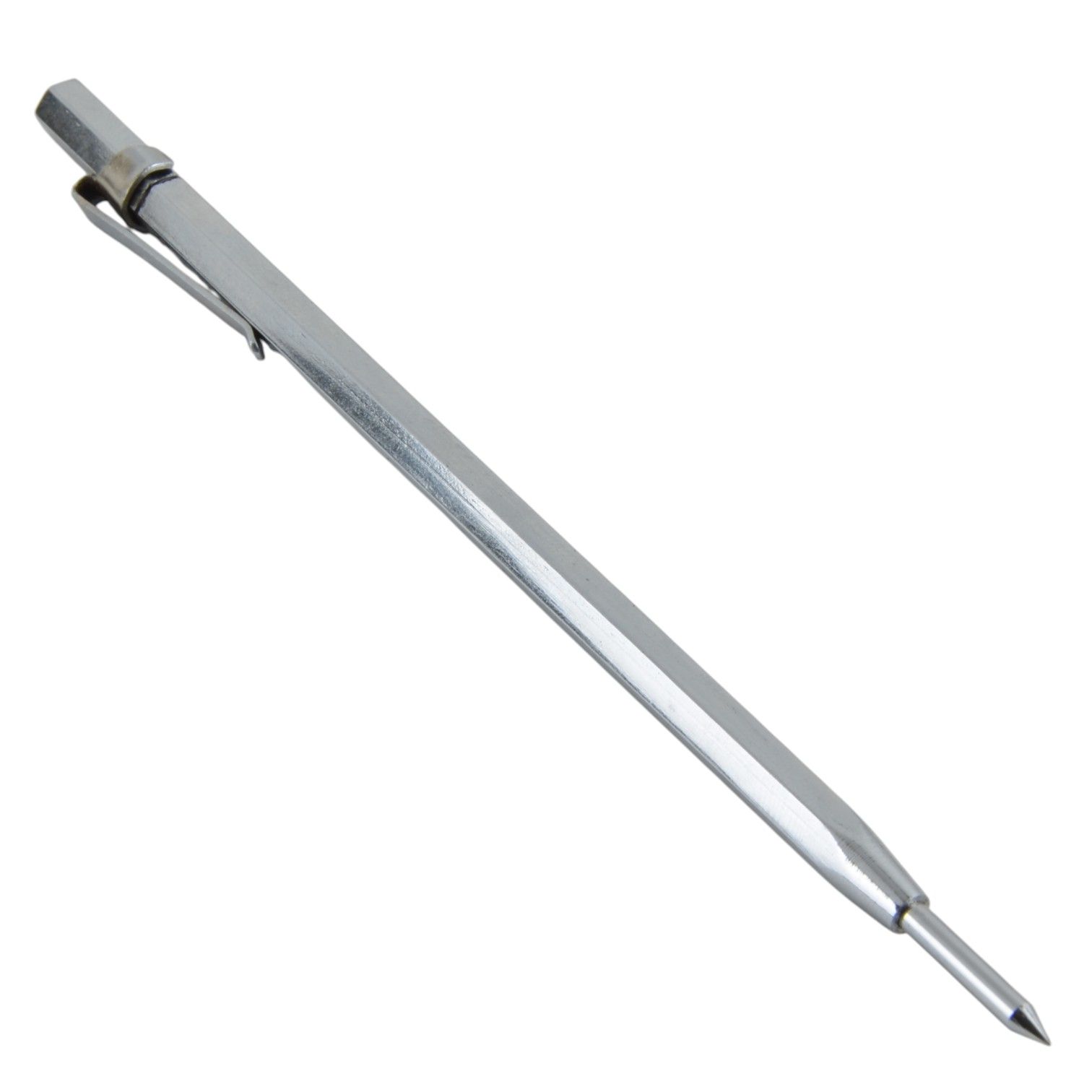
- Scriber (used to mark out distances)
Semi-professionals may also want to invest in digital scales and more advanced measuring equipment.
Stone Setting Tools
If you plan to set gemstones, additional specialised tools are required.
- Beginner stone setters typically need:
- Setting burs – used to make holes for stones
- Pusher or bezel rocker – for creating precise, consistent pressure when mounting stones
- Burnisher – to securely seat the stone
- Loupe (10x magnification) – a small magnifying glass for inspecting close details
As skills progress, more advanced gravers and precision tools improve accuracy and control.
Rolling Mills and Metal Forming Equipment
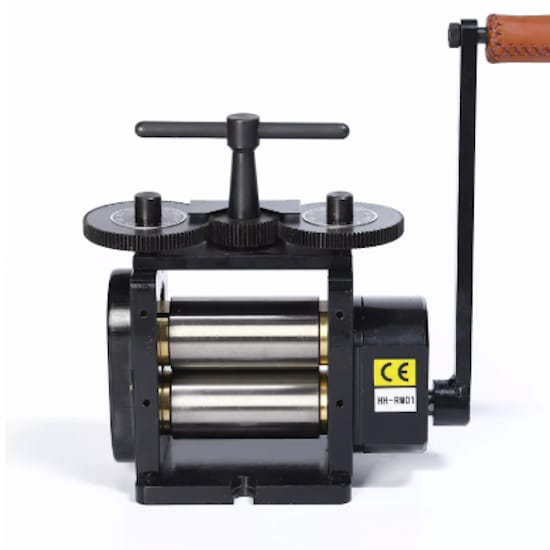
A rolling mill allows you to:
- Reduce metal thickness
- Create texture
- Recycle scrap metal
This is often a turning point tool for serious hobbyists transitioning into small-scale production.
Entry-level rolling mills are suitable for smaller studios, while larger workshop models suit semi-professional environments.
Workshop Machinery and Upgraded Equipment
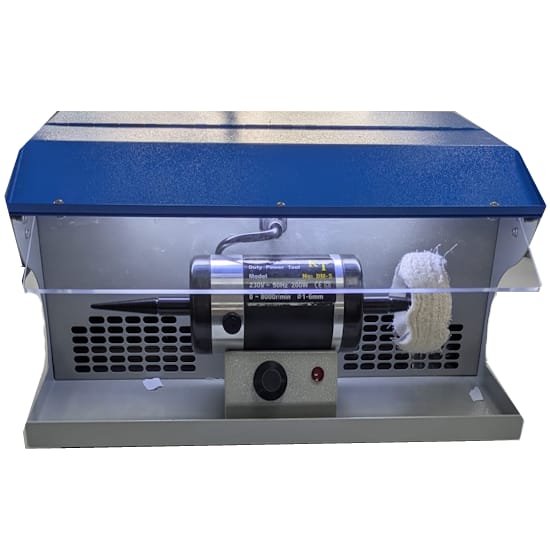
As your jewellery making becomes more regular or progresses to a commercial level, upgraded equipment may be worth considering:
- A wider selection of pendant motors or micromotors
- Larger polishing motors with extraction
- Wax working tools and injectors
High-end laser welders and specialist engraving systems are typically suited to established professional workshops rather than home studios, so we wouldn’t recommend them to a beginner, even if you have the budget.
Our recommended Jewellery Tools by Skill Level
Beginner Essentials
Focus on mastering technique before upgrading machinery and you’ll have a solid foundation that will support you throughout your hobby, and if you want it, into a career.
Basic plier set
Saw frame and blades
Small torch
Soldering block
Polishing cloth
Experienced Maker Setup
This stage supports small-batch selling and more complex fabrication.
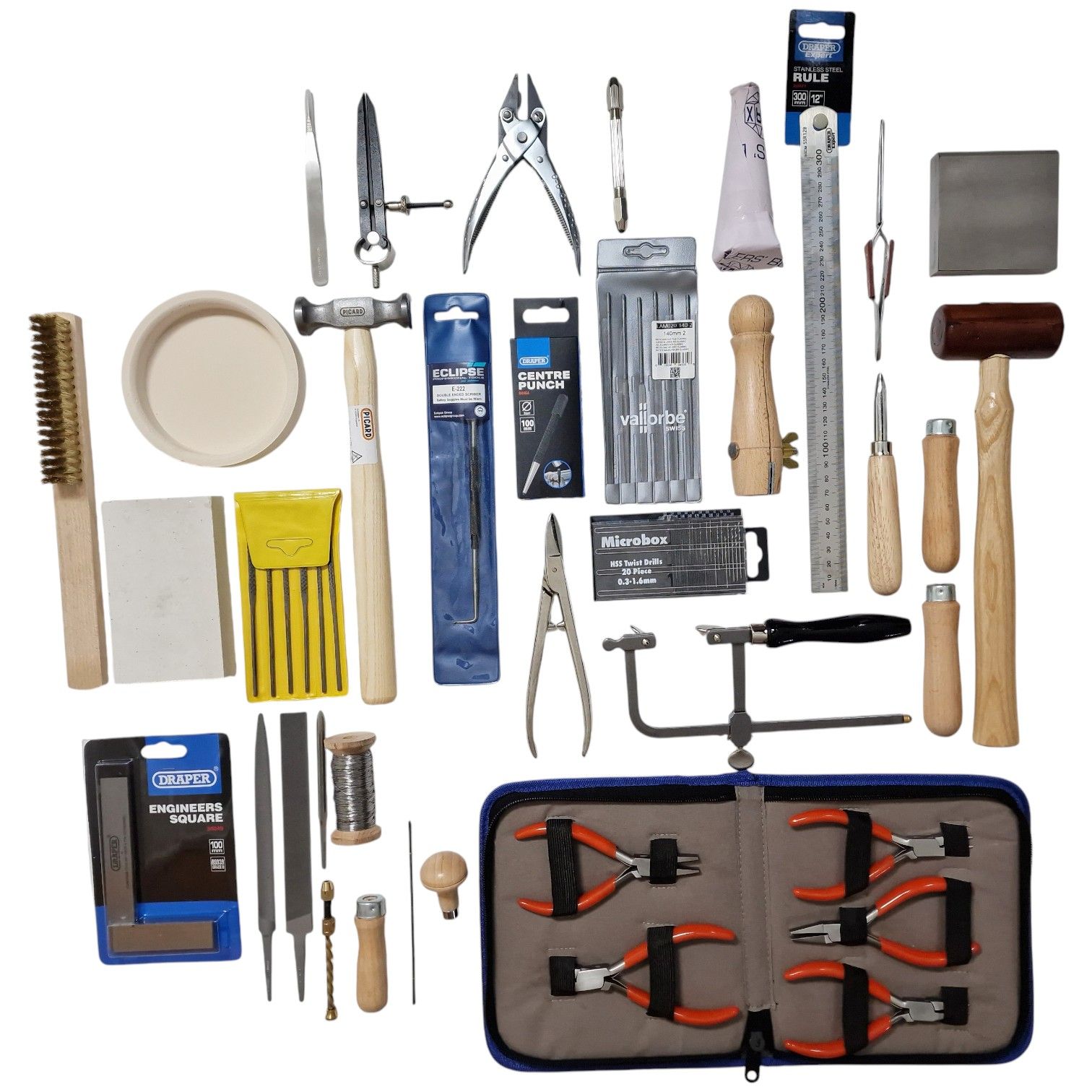
Advanced hand tools
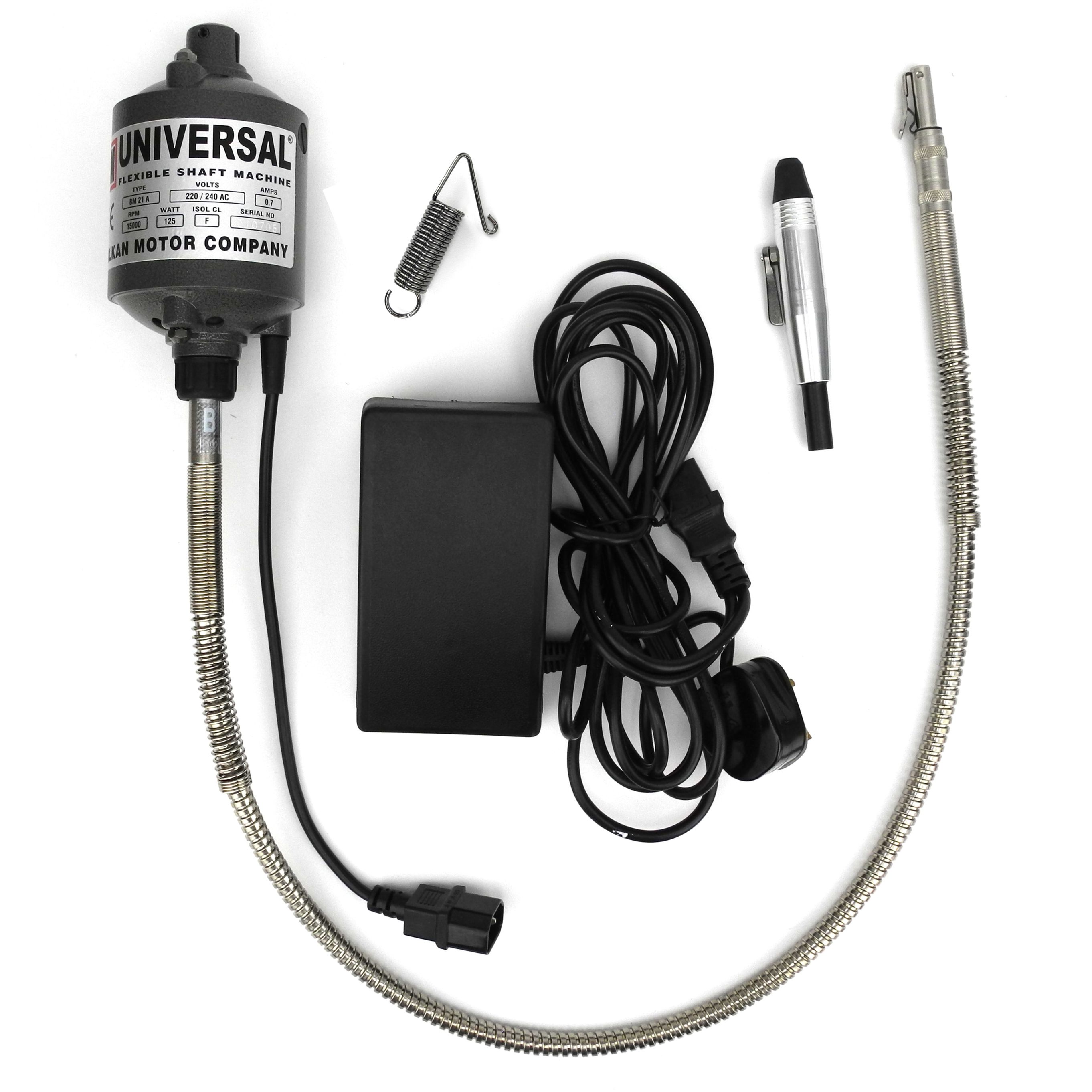
Pendant motor
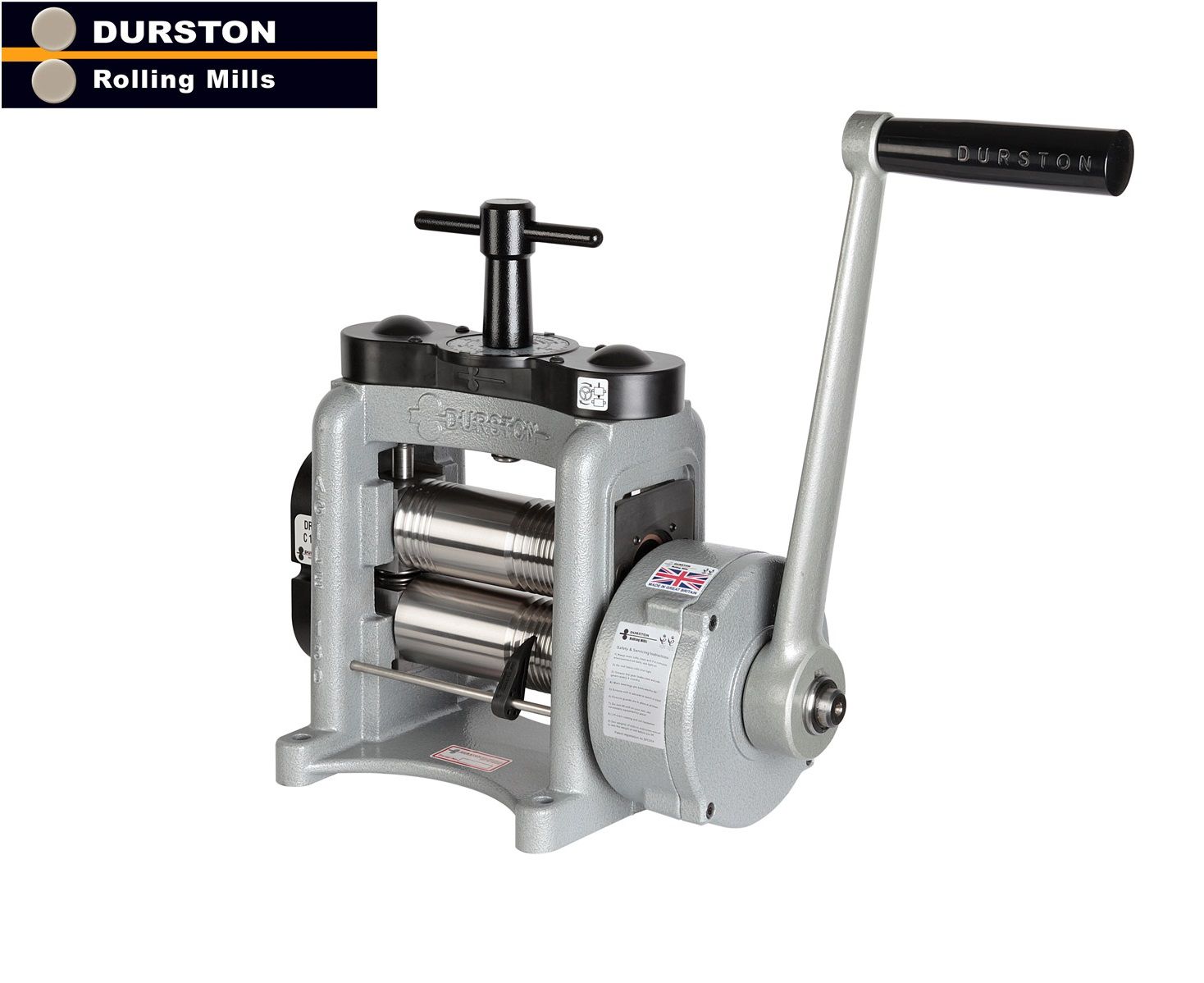
Mid-size rolling mill
Semi-Professional Workshop
This level supports consistent production and higher-end finishes.
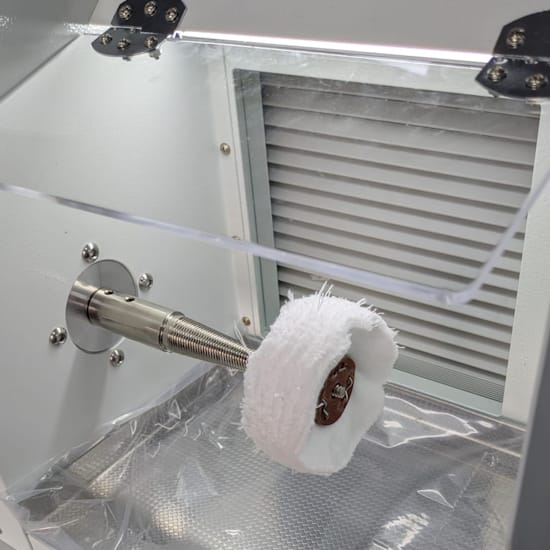
Full polishing motor with extraction
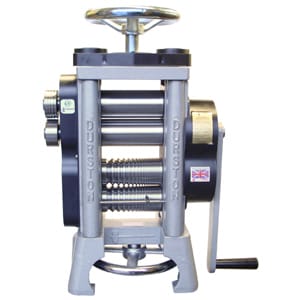
A larger rolling mill
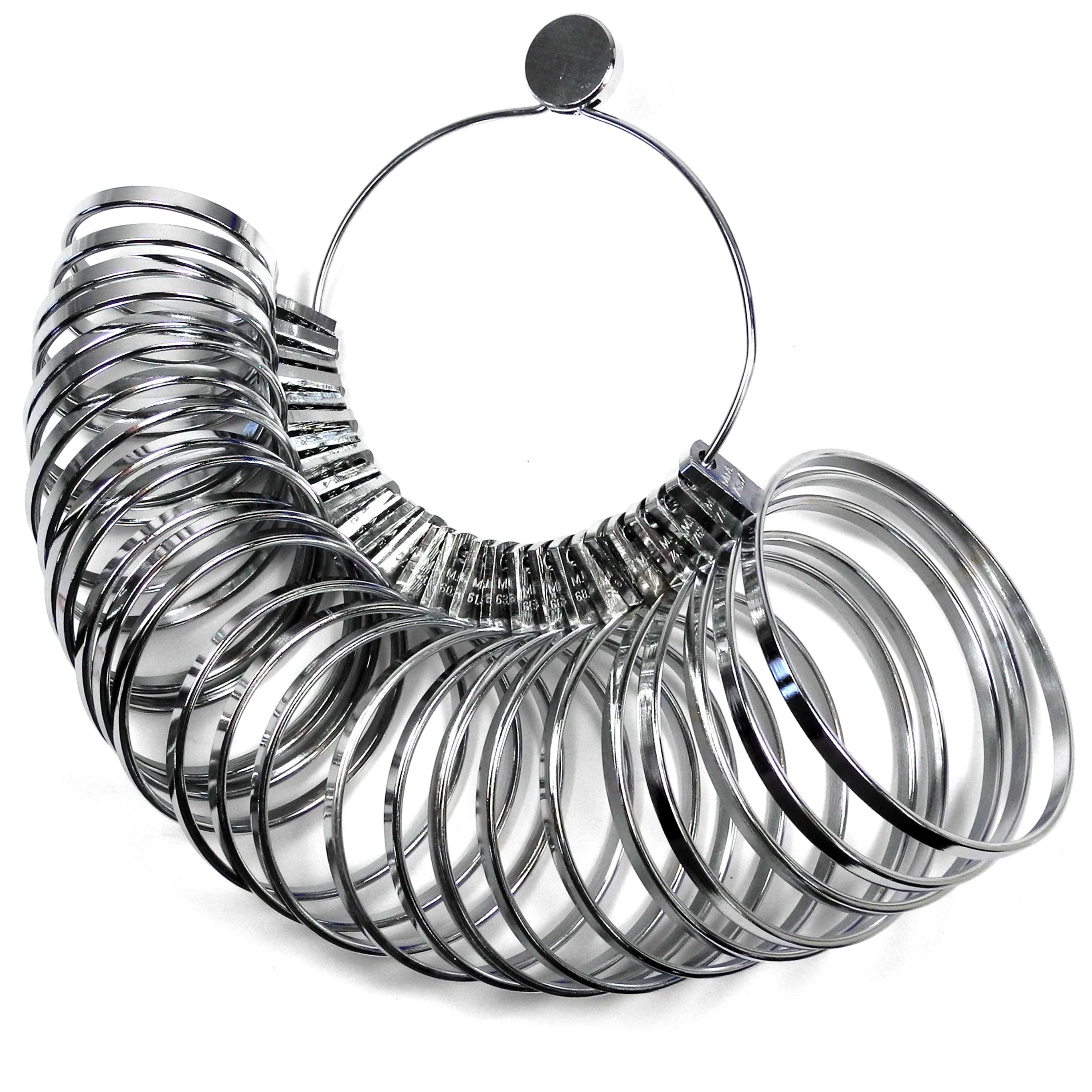
Precision measuring equipment
Shop our range of measuring, weighing and ring sizing equipment
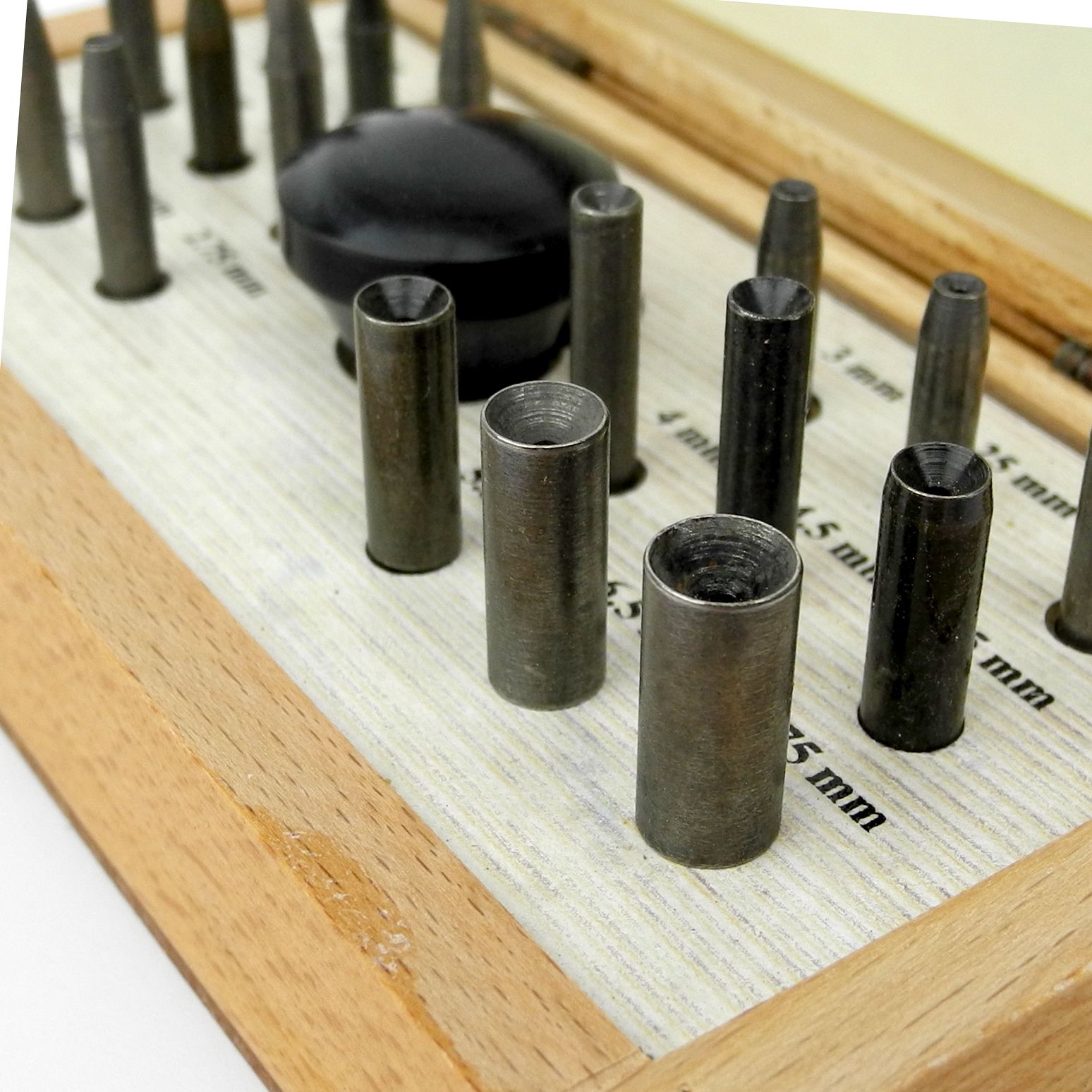
Advanced stone setting tools
Shop our full range of stone setting and Busch burrs and drills
Choosing the Right Jewellery Making Tools
When building your toolkit, consider:
- Your current skill level
- The type of jewellery you want to create
- Available workspace
- Your budget and upgrade path
It is often better to invest gradually by buying quality tools that will grow with you, rather than replacing entry-level equipment too quickly.
Build Your Jewellery Bench with Confidence
Understanding jewellery making tools is the first step towards better craftsmanship. Whether you are assembling your first starter kit or refining a semi-professional workshop, selecting the right equipment ensures your creativity is supported by reliable performance.
Explore our full range of jewellery making tools, equipment and consumables to find the right setup for your bench, or visit our guide to jewellery making for more information and guidance.